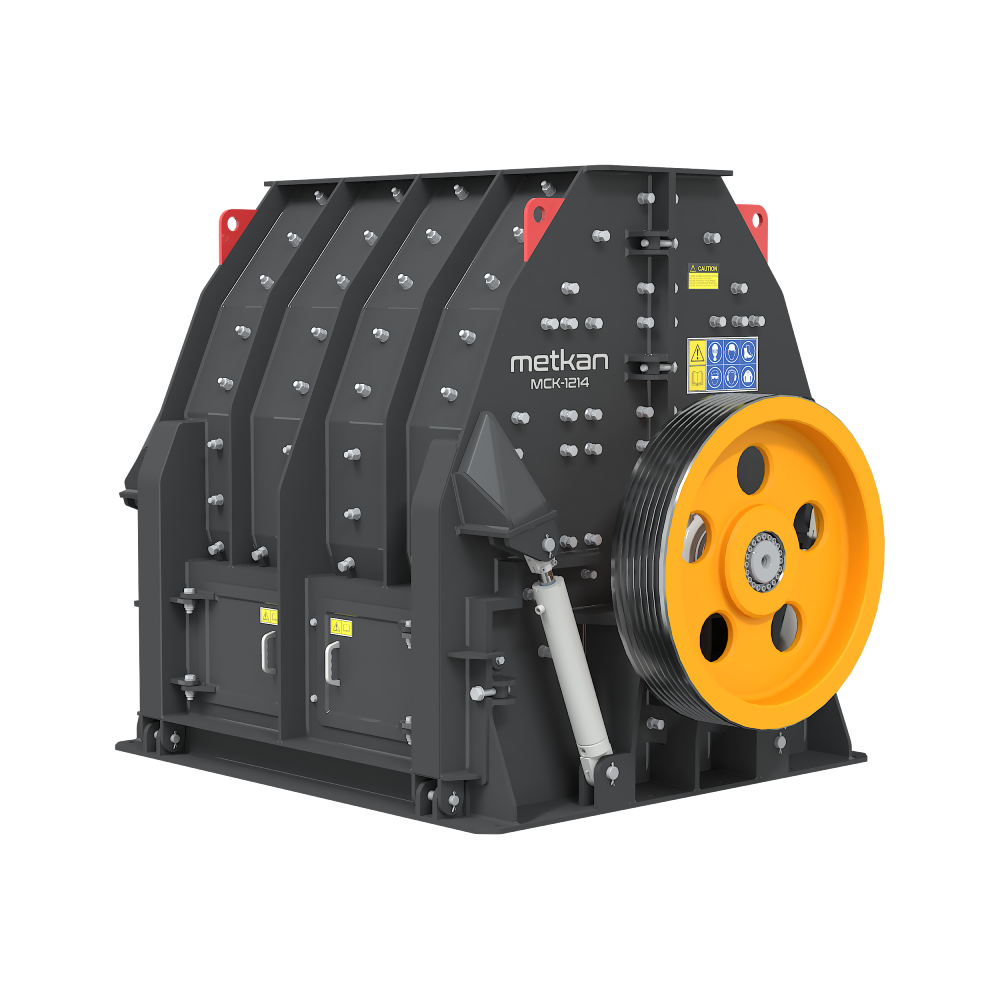
Hammer crusher selection...directly determines the overall performance of the crushing-screening line. This is because the machine does not merely reduce material size; it also influences the feeding pattern, product flow, screen load, and the operational balance of downstream conveying equipment. An incorrectly selected crusher limits capacity, causes fluctuations in product size, and increases maintenance requirements. Conversely, a correctly selected system brings balance to the line, strengthens production continuity, and boosts operational efficiency. The technical selection process must take into account factors such as material composition, target capacity, desired product size, and the other equipment within the line.
Especially in production operations focused on aggregates, mining, and construction chemicals... Hammer crusher selection ...becomes even more critical. This is because the same machine does not yield identical results with every material; changes in hardness, abrasiveness, moisture content, feed size, and product targets alter the load the machine must handle. Therefore, an operation should not view the hammer crusher merely as an initial crushing point. The correct approach is to regard it as the primary piece of equipment that establishes the operational tempo for the entire line. With this perspective, Metkan Makine plans production lines based on process integrity rather than just a list of machinery.
Contents
- Why is hammer crusher selection a critical decision?
- How does material composition affect the selection process?
- Why should feed size and output size be considered together?
- What technical data is used to calculate capacity?
- Why are rotor structure and rotational balance important?
- Why are wear parts and housing durability critical factors?
- How is the motor power selected?
- Why are chassis structure, vibration control, and maintenance access important?
- With which processing lines should a hammer crusher be integrated?
- How does selecting the right hammer crusher affect return on investment?
- Frequently Asked Questions
Why is hammer crusher selection a critical decision?
Hammer crusher...absorbs the initial major impact on the production line. Even if the feed is irregular, this machine takes the initial load. If the input material is coarse, this machine performs the first stage of size reduction. Subsequent screening and conveyor systems operate largely based on the output characteristics of this machine. Therefore, the hammer crusher is not merely an initial piece of equipment; when selected correctly, it balances the operational rhythm of the entire line. If selected incorrectly, it becomes the weak link of the entire system.
The same applies to investment considerations. A crusher that is undersized quickly creates a bottleneck, while an oversized system unnecessarily inflates the investment budget. Moreover, a machine that yields an incorrect product distribution creates additional problems for the screening and conveying lines. That is why Hammer crusher selection...selection is not based solely on tonnage targets. The operation must evaluate the crushing ratio, product distribution, maintenance frequency, and energy balance in conjunction. For Metkan Makine, the "right choice" signifies not just a functional machine, but an efficiently operating system.
How does material composition affect the selection process?
Material composition Hammer crusher ...constitutes the primary technical factor in the selection process. This is because not all products react the same way to impact forces. Some materials break more easily, while others exhibit high hardness. Some are abrasive, and others alter their flow characteristics due to moisture. These differences directly influence various elements, ranging from rotor load to hammer lifespan. Consequently, a sound selection decision is always grounded in material analysis.
For instance, a facility processing abrasive material requires a more robust body structure and more durable wear parts, whereas products that are easier to crush call for different crushing characteristics. Moist and sticky material can affect the feed arrangement and discharge flow. Therefore, focusing solely on the question of "does the product break?" is insufficient. The operation must also clearly answer the question, "how does the product behave inside the machine?" Metkan Makineapproaches the decision regarding the right equipment with this holistic perspective. After all, it is impossible to select the correct machine without properly understanding the product.
Why should feed size and output size be considered together?
Hammer crusher selection requires that the feed size and the target output size be considered together. This is because the machine must handle the incoming product load while simultaneously producing an output suitable for downstream equipment. The feed size determines the initial impact the machine receives, while the output size affects the screening and conveying systems further along the line. Consequently, input and output values must be evaluated within a single process objective rather than in isolation.
If the feed size is excessive, the load on the rotor increases. If a very precise output size is required, the crushing characteristics change. In such cases, capacity, product distribution, and wear behavior are all affected. Furthermore, the product discharged from the crusher often proceeds directly to a circular screen or another classification point. If the crusher output is irregular, the screen bears a heavier load, and product quality fluctuates. Therefore, the correct Hammer crusher selectionis determined not merely by size-reduction power, but by the balance between feed size and output size.
What technical data is used to calculate capacity?
Capacity calculation forms the fundamental backbone of Hammer crusher selection . This is because the crusher must match the processing rhythm of the entire plant. Simply looking at the hourly tonnage figure is not enough in this context. Factors such as material density, feed continuity, shift structure, target product size, and load fluctuations are evaluated collectively. Accurate capacity calculation ensures investment discipline while establishing a healthy production rhythm for the operation.
A crusher selected for low capacity slows down the entire line. Conversely, an oversized machine selected for high capacity imposes unnecessary burdens regarding energy, investment, and space utilization. Therefore, capacity calculations must strike a balance between current production needs and growth objectives. Facilities planning to increase production, in particular, should not consider only their current tonnage. For this reason, Metkan Makine approaches capacity decisions by considering process continuity and the company's growth trajectory, rather than relying on short-term solutions.
Why are rotor structure and rotational balance important?
The rotor determines the true operating characteristics of the hammer crusher, as impact intensity, material movement within the machine, and crushing efficiency all stem from this component. A robust rotor structure generates more balanced impacts. A rotor that spins with stability minimizes vibration and ensures a steadier material flow. Therefore, the rotor is not merely a mechanical component; it is the heart of the machine's performance.
Rotational speed balance is equally critical. Excessive speed can produce overly fine material and accelerate wear when processing certain materials. Conversely, insufficient speed limits capacity and diminishes the desired size-reduction effect. Thus, the rotor design and rotational speed must be evaluated in tandem. The objective here goes beyond simple crushing; the primary goal is to maintain capacity while keeping the product size under control.
Why are wear parts and housing durability critical factors?
A hammer crusher is a machine subjected to constant impact; consequently, wear parts directly influence operational performance. Hammers, liners, and internal surfaces are in continuous contact with the material. Hard and abrasive materials accelerate the wear of these components. As wear progresses, product size fluctuates, capacity drops, and maintenance intervals shorten. Therefore, operators should not focus solely on the initial purchase price; wear management must be a key consideration during the selection process.
Structural integrity is equally important. A robust housing structure distributes impact forces evenly and extends the machine's service life. In contrast, a weak structure increases vibration, adds to the maintenance burden, and compromises operational efficiency in the long run. Therefore, the correct choice Hammer crusher selectionis based not only on rotor power but also on housing quality and service life. Metkan Makine focuses on heavy-duty construction and process continuity in its manufacturing philosophy. This approach makes durability a key criterion when selecting a hammer crusher.
How is the motor power selected?
Motor power, Hammer crusher selection is a crucial technical parameter; however, it is not the sole deciding factor. High motor power does not always equate to the right machine. What truly matters is that the motor power operates in balance with the material structure, rotor load, feed characteristics, and capacity targets. Insufficient power strains the machine and limits capacity, while excessive power increases investment costs and energy consumption. Consequently, motor selection is based on specific technical requirements.
The facility's operational mode must also be considered here. A continuously operating line does not exhibit the same energy behavior as a line that operates intermittently. Shift patterns, instantaneous load fluctuations, and product density all influence motor selection. Therefore, a sound decision is reached by considering the line's actual operating scenario, rather than relying solely on the kilowatt rating listed in a catalog. Metkan Makineviews this balance as vital for process efficiency, as the right choice of motor determines not only the initial startup but also long-term operational performance.
Why are chassis structure, vibration control, and maintenance access important?
Chassis structure and vibration control Hammer crusher directly impact performance. Impact-based machines generate significant vibration. If the chassis fails to manage this load effectively, the machine operates unstably, peripheral equipment is affected, and maintenance requirements increase. A robust chassis maintains machine stability, while controlled vibration enhances the safety of the production line. Therefore, when selecting a crusher, it is essential to consider not only the crushing power but also the supporting structure.
Maintenance access is equally important. Hammer replacement, internal inspections, liner monitoring, and servicing tasks must be performed quickly. A machine installed with poor access prolongs downtime and reduces operational efficiency. Conversely, a maintenance-friendly design shortens service times and supports production continuity. Metkan Makine operates with the goal of minimizing downtime and ensuring sustainable production. Consequently, ease of maintenance is treated as a direct technical criterion during the selection process, rather than an afterthought.
With which processing lines should a hammer crusher be integrated?
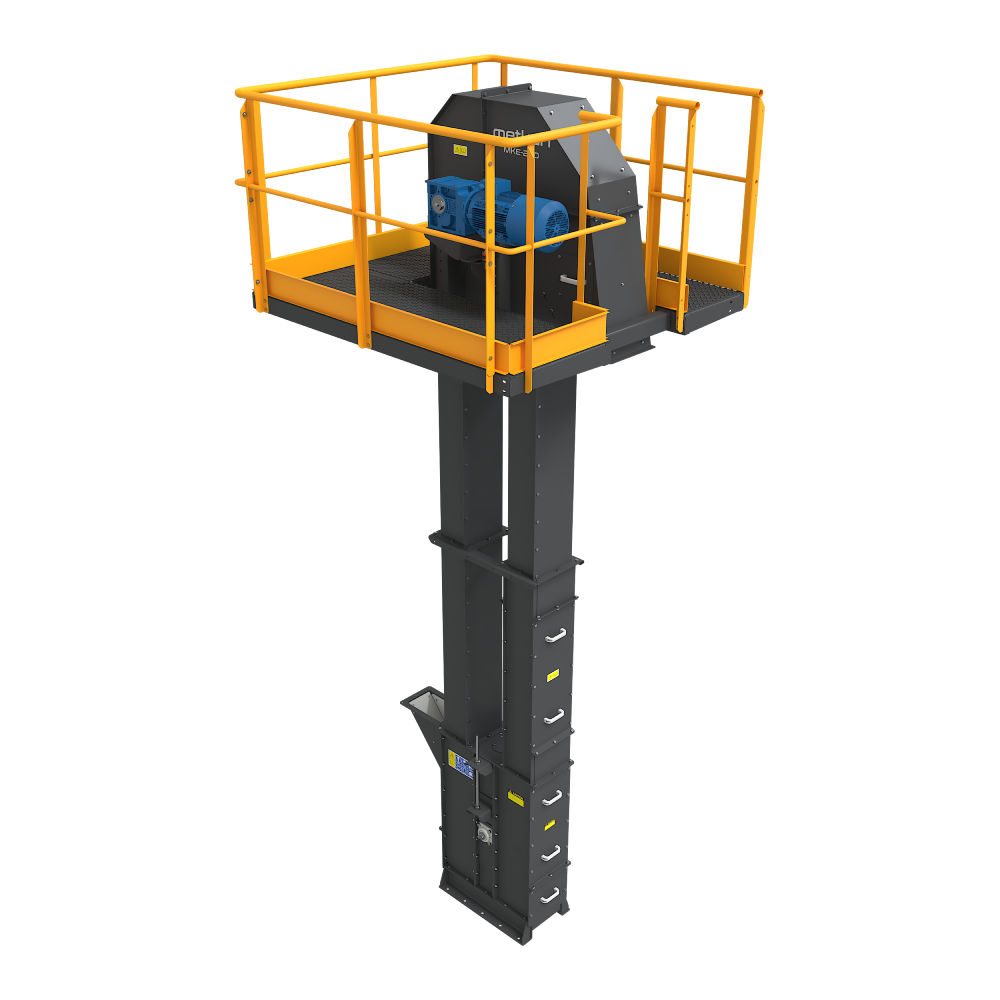
Hammer crusher It is never planned in isolation, as this machine always prepares the material for the subsequent equipment. The product typically moves to a screen, transfers to a conveyor line, and proceeds to the next stage of the process. Therefore, the selection of the crusher must take into account circular vibrating screens, belt conveyors, and the overall line flow. If the crusher's output is inconsistent, the screen becomes overburdened; if the screen's capacity lags behind, the conveying line comes under strain. Thus, the correct choice is made based on the harmony of the entire system.
In a crushing and screening line, the success of a machine is measured by how well it prepares the feed for the subsequent machine. The hammer crusher establishes the input pace for the line, a rhythm that carries through the entire process. For this reason, Metkan Makine does not present its products as isolated pieces of equipment; instead, it treats them as integral parts of a unified process. Planning the hammer crusher in conjunction with circular vibrating screens and conveyor systems creates a more robust balance across the line.
How does selecting the right hammer crusher affect return on investment?
Correct Hammer crusher selection It directly impacts the return on investment. This is because the machine does more than just reduce material size; it dictates maintenance requirements, energy efficiency, product quality, and line capacity. A well-chosen system offers the advantage of stable, long-term operation. Conversely, an incorrect choice leads to frequent maintenance, inconsistent output, and capacity loss. This distinction has a direct effect on the investment payback period.
Moreover, the right choice influences the future, not just the present. A solid crusher infrastructure offers greater flexibility when the business seeks to expand capacity or diversify its product range. That is why Metkan Makine views equipment selection as more than a mere sale; the ultimate goal is to provide the business with a more efficient, stable, and sustainable production line. The right Hammer crusher selection choice represents one of the first major steps toward achieving this goal.
Frequently Asked Questions
What is the primary criterion considered when selecting a hammer crusher?
Hammer crusher selection The physical properties of the material are the first consideration. Factors such as hardness, abrasiveness, moisture content, particle size, and breakage behavior directly determine the machine's operating characteristics. The same capacity target cannot be met using the same machine for every material. Therefore, a sound selection process relies on material analysis rather than just catalog data. Proper analysis provides a clearer picture of rotor load, wear behavior, and maintenance requirements.
Why is capacity calculation important when selecting a hammer crusher?
Capacity calculation provides the fundamental data needed to align the crusher with the rest of the production line. A machine selected for insufficient capacity restricts the production flow and creates the line's first bottleneck. Conversely, an oversized machine unnecessarily inflates the investment budget and energy consumption. Thus, capacity calculation goes beyond hourly tonnage; factors such as feed density, shift schedules, product targets, and growth plans are also evaluated. Accurate capacity calculation simultaneously safeguards investment efficiency and production continuity.
Why is feed size important?
Feed size determines the initial load the machine must handle. Oversized material increases the impact on the rotor, alters crushing characteristics, and can accelerate wear rates. A balanced and appropriate feed size, however, ensures more controlled machine operation. It also stabilizes product output and ensures a consistent feed for the downstream screening system. Consequently, feed size is not merely a technical detail; it is a key criterion regarding capacity, product quality, and maintenance planning.
Why is the hammer crusher's output size considered in conjunction with the screening system?
Because the product discharged from the crusher typically goes directly to the screening system. If the crusher produces an irregular or off-target product distribution, the screen bears a heavier load, and classification quality declines. This situation affects both the final product standards and the overall efficiency of the line. For an effective crushing and screening line, the crusher output and the screen configuration must align with the same objective.
Why are wear parts considered during the selection phase?
Wear parts are among the most critical factors determining long-term operational performance in hammer crushers, as hammers, liners, and internal surfaces are in constant contact with the material. These parts wear out more rapidly when processing hard and abrasive materials. This increases maintenance frequency, alters product sizing, and impacts capacity. Therefore, the operation should not focus solely on the initial purchase cost; factors such as part lifespan, ease of replacement, and maintenance planning must be evaluated during the selection process.
Is a crusher with higher motor power always better?
No. High motor power alone does not equate to the right choice. What truly matters is that the motor power operates in balance with the material characteristics, rotor load, and capacity targets. Insufficient motor power strains the machine and limits the production flow. Conversely, excessive power increases investment costs and energy consumption. Therefore, motor selection should be determined not merely by numerical ratings, but by the line's actual operational requirements. Selecting the correct power ensures stable and controlled machine operation.
Why is maintenance access important for a hammer crusher?
Maintenance access directly impacts the machine's actual operational performance in the field, as tasks such as hammer replacement, internal inspections, cleaning, and wear monitoring must be performed at regular intervals. If access to these areas is difficult, maintenance times extend, and downtime costs rise. A design that facilitates easy access shortens service times and saves time for operators and maintenance teams. Consequently, ease of maintenance is not an afterthought; it is a critical technical criterion that must be considered during the selection phase.
Metkan Makine ...suitable for your material characteristics, capacity targets, and production line... Hammer crusher ...by correctly planning the selection, you can achieve a more efficient, balanced, and sustainable... ...crushing-screening system. To define the technical configuration best suited to your project and to evaluate the right equipment selection together... please contact us..