Metkan MakineMACHINERY AND PLANT
TECHNOLOGIES
Skip to content
Metkan/METKAN / TECHNICAL ARTICLES
METKAN / TECHNICAL ARTICLES

Knowledge is also part of production.

Machinery selection, plant planning, and operational processes. Discover the technical knowledge behind production.

39 article
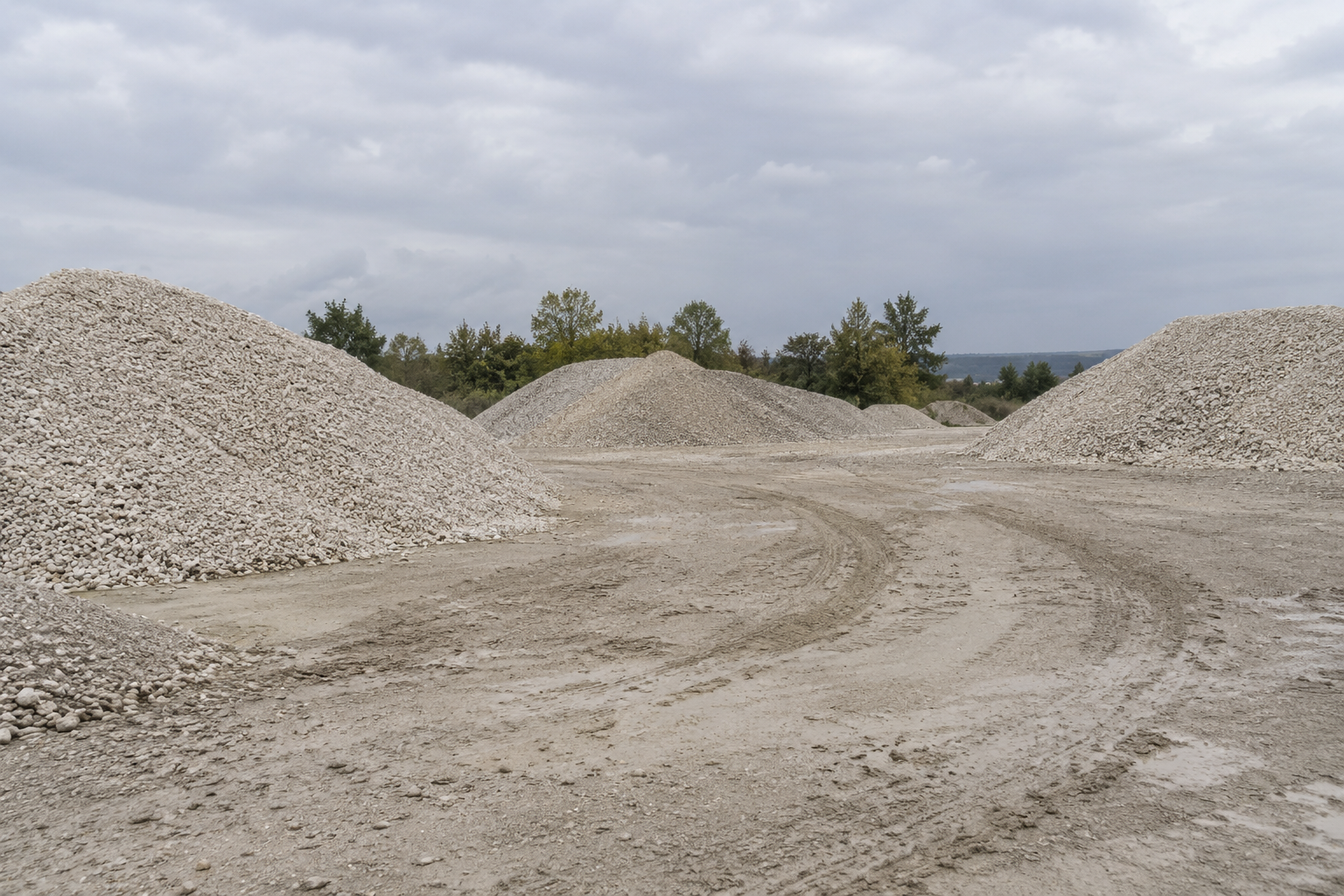
Aggregate stockpiles of various sizes in an open yard; representative image

New Plant or Line Revamp? Making the Right Investment Decision When Expanding an Existing Crushing and Screening Line

In crushing-screening plants, the need for capacity rises as production demand increases. At this stage, businesses face a critical investment decision: Should the existing line be expanded through revision? Or should the operation set up a new crushing and screening plant? The right decision does not depend solely on the investment budget; the performance of existing machinery, process bottlenecks, and the target capacity directly influence the choice. Material properties also determine equipment selection. Furthermore, site space and energy consumption shape the investment model.

Read the technical article
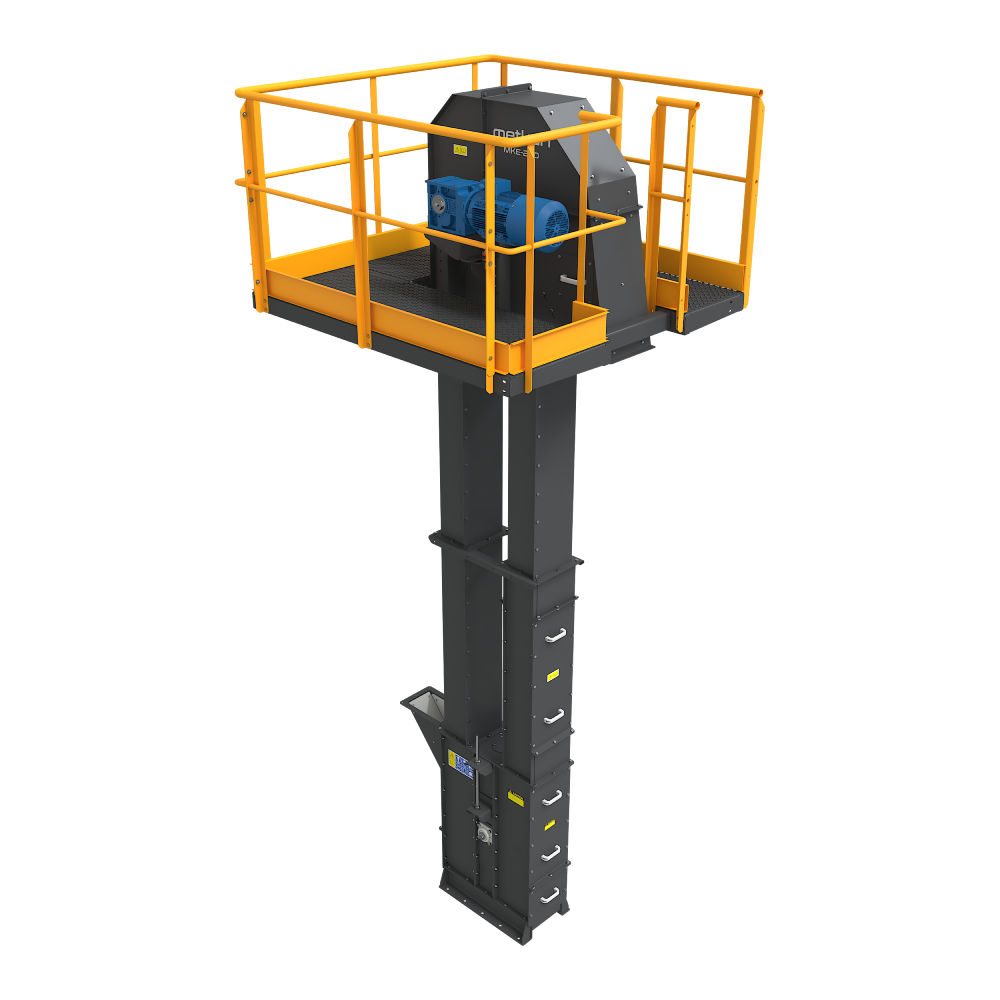
Product render of the Metkan bucket elevator

How Does System Selection Change as Bucket Elevator Height Increases?

Bucket elevators are used to convey powdery and granular materials vertically. They facilitate the orderly transfer of products between floors, particularly in processing plants. However, as the conveying height increases, so does the mechanical load on the system. Therefore, the selection of a bucket elevator should not be based solely on capacity figures. A short elevator and a tall elevator do not operate under the same conditions. As height increases, the belt or chain bears a greater load. The drive system encounters a heavier load. Casing stability becomes more critical. Furthermore, maintenance and safety requirements also change.

Read the technical article
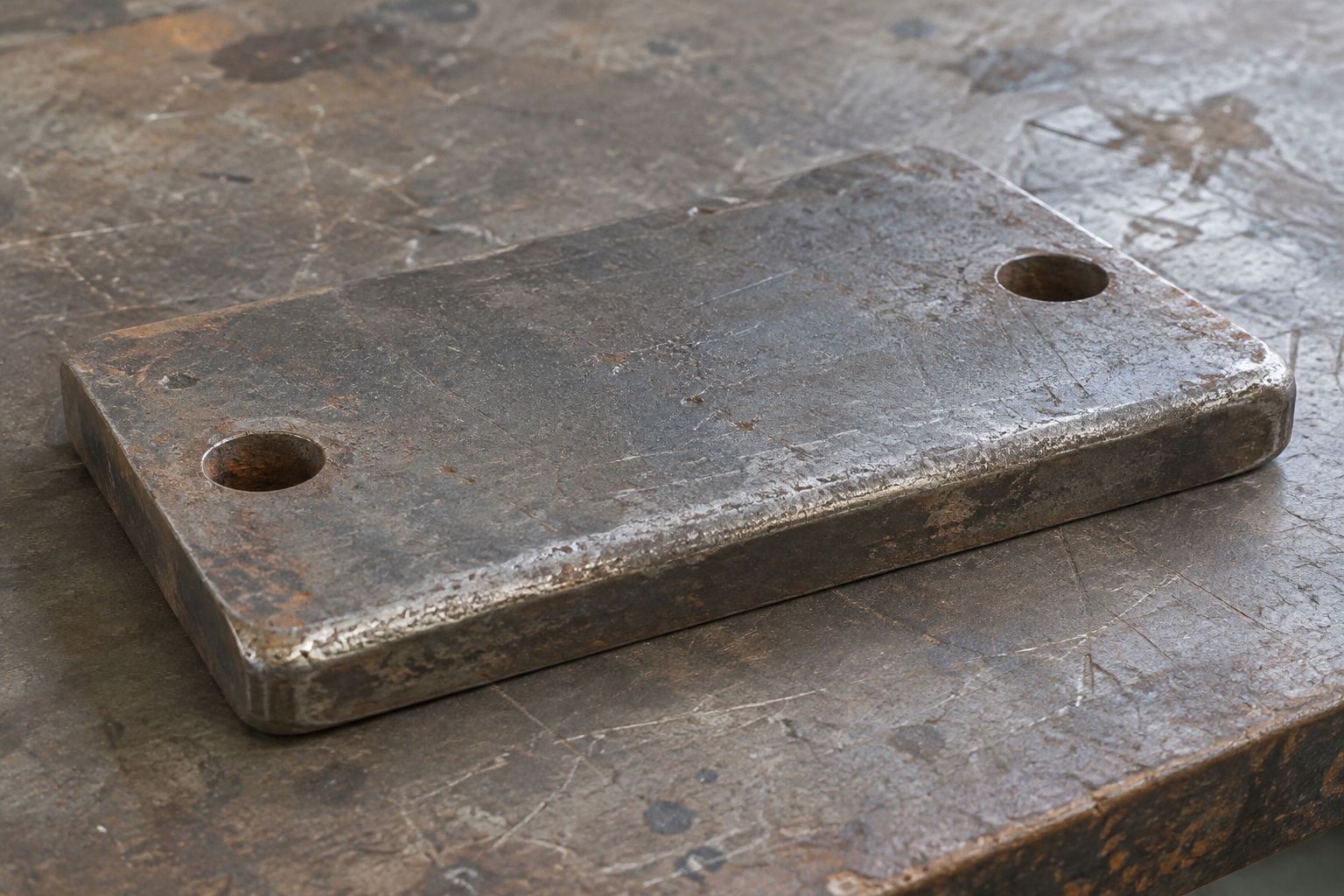
Surface detail of a worn steel plate; Representative image

When Should Wear Parts in a Hammer Crusher Be Replaced?

Hammer crushers operate under intense mechanical loads during the size reduction processes of mineral and industrial raw materials. Hammers continuously strike the material, screens control the product size, and the rotor ensures the continuity of the crushing action. This operational setup inevitably leads to natural wear on certain parts over time. However, for operators, the real question is not whether wear will occur, but rather determining the correct time to replace the hammer crusher's wear parts. Replacing parts too early increases maintenance costs, while delaying replacement results in capacity loss, high energy consumption, and inconsistent product sizing.

Read the technical article
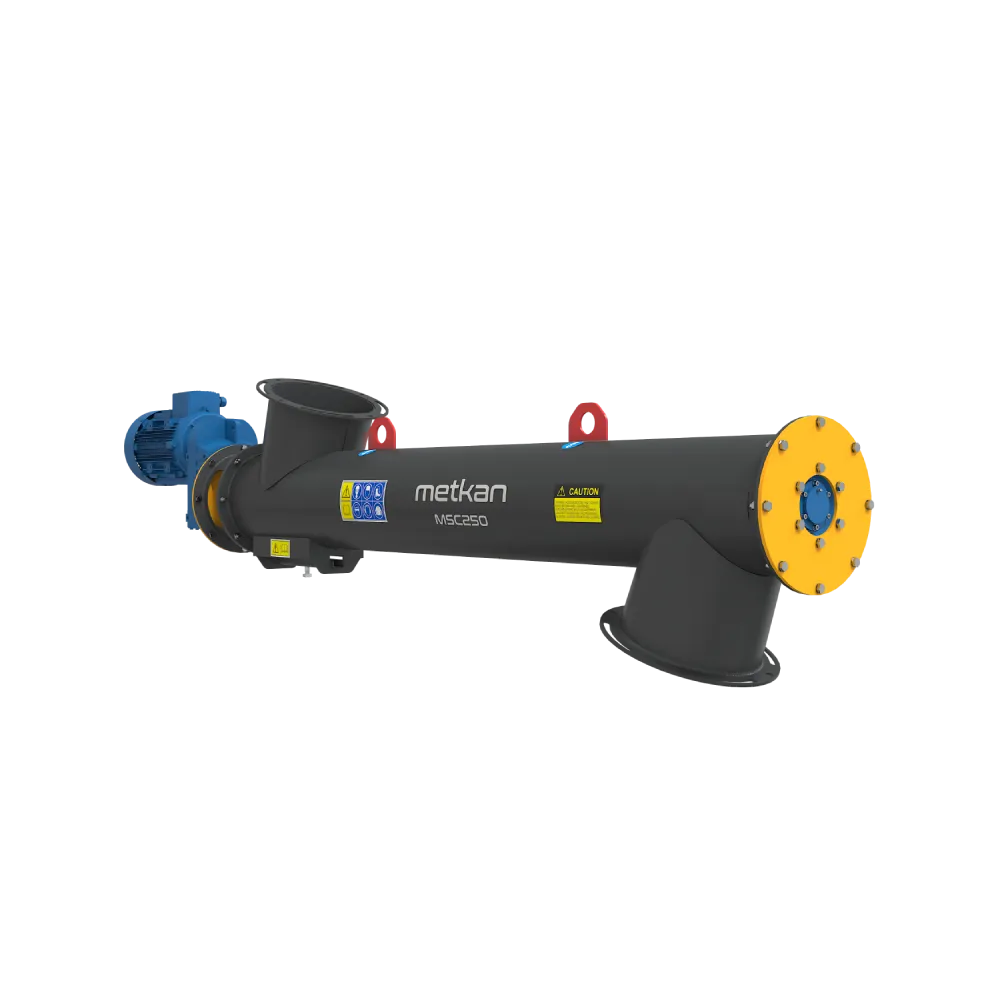
Product render of Metkan screw conveyor

What Causes Screw Conveyor Blockages? Flow Issues in Powder and Granule Lines

Production continuity in powder and granule conveying lines depends on the steady flow of material. The screw conveyor constitutes a key component of this flow. The process proceeds smoothly when the system conveys material at the specified capacity; however, flow issues arise when feed rates, material properties, or equipment settings change. Screw conveyor blockages directly reduce production capacity. A blockage increases motor load, places strain on the gearbox, and halts material flow. Furthermore, recurring issues lead to increased unplanned downtime. Operations suffer significant time losses when operators must repeatedly stop the line to clear blockages.

Read the technical article
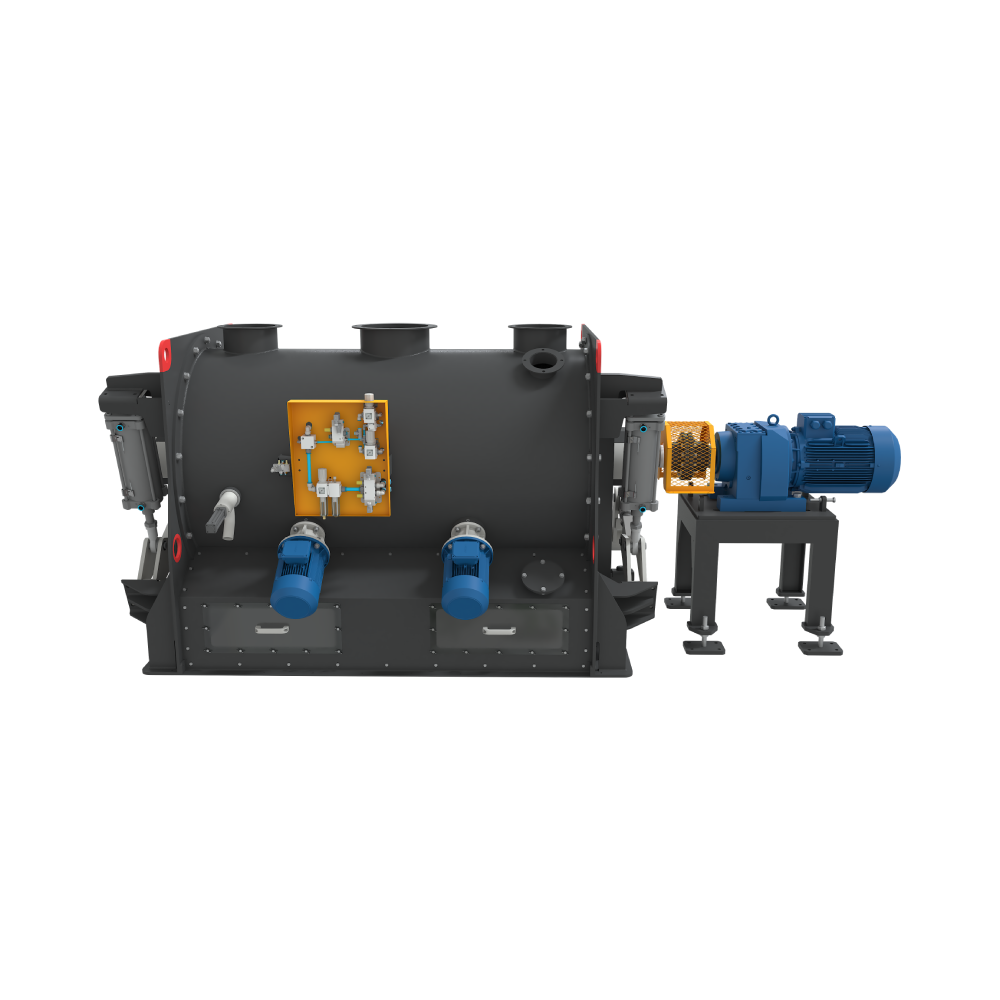
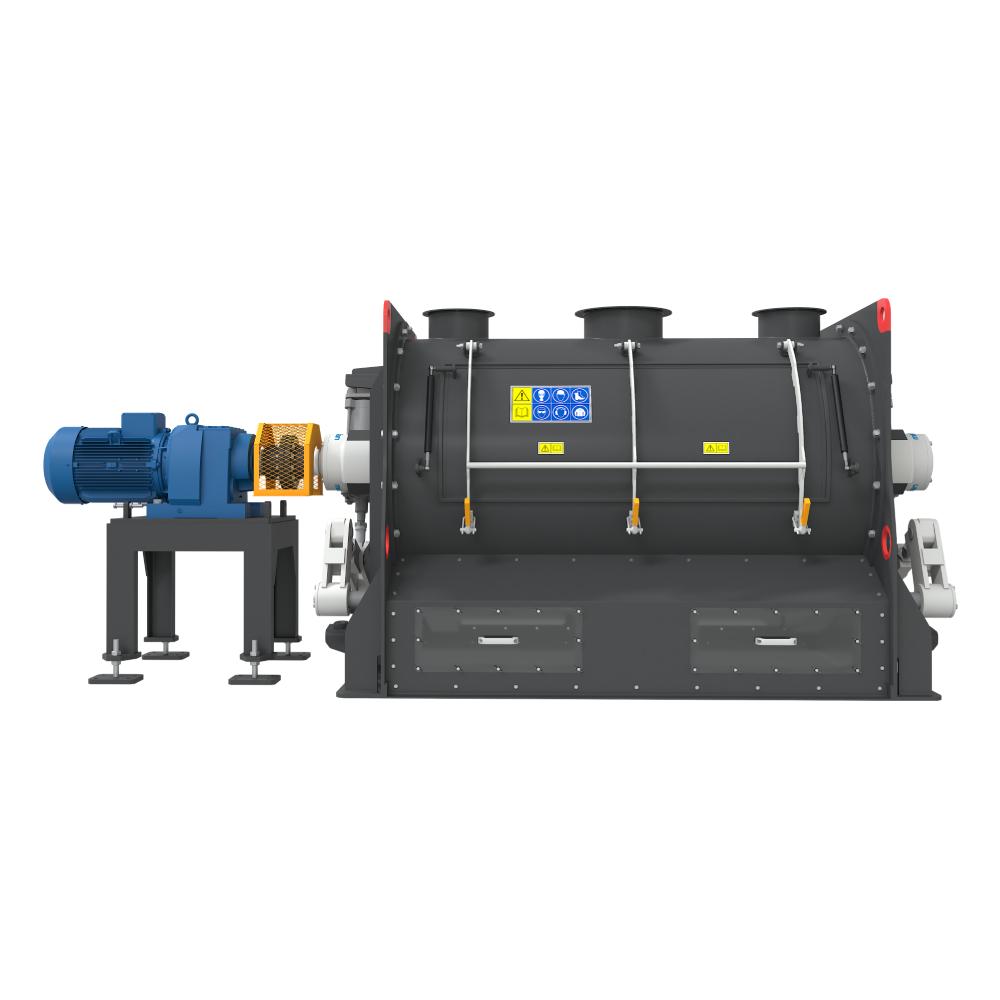
Rear view render of Metkan horizontal powder mixer

Which Is More Important When Selecting a Horizontal Powder Mixer: Vessel Volume or Motor Power?

The choice of a horizontal powder mixer directly impacts the mixing quality of the production line. Selecting the wrong capacity or motor extends production time; it also increases energy consumption and negatively affects mixture homogeneity. Therefore, businesses should not focus solely on mixer volume. While vessel volume determines the amount of product processed in a single batch and motor power enables the mixing system to generate the necessary motion, these two values alone do not define the correct mixer selection. Product density, flow characteristics, and target capacity are also crucial factors.

Read the technical article
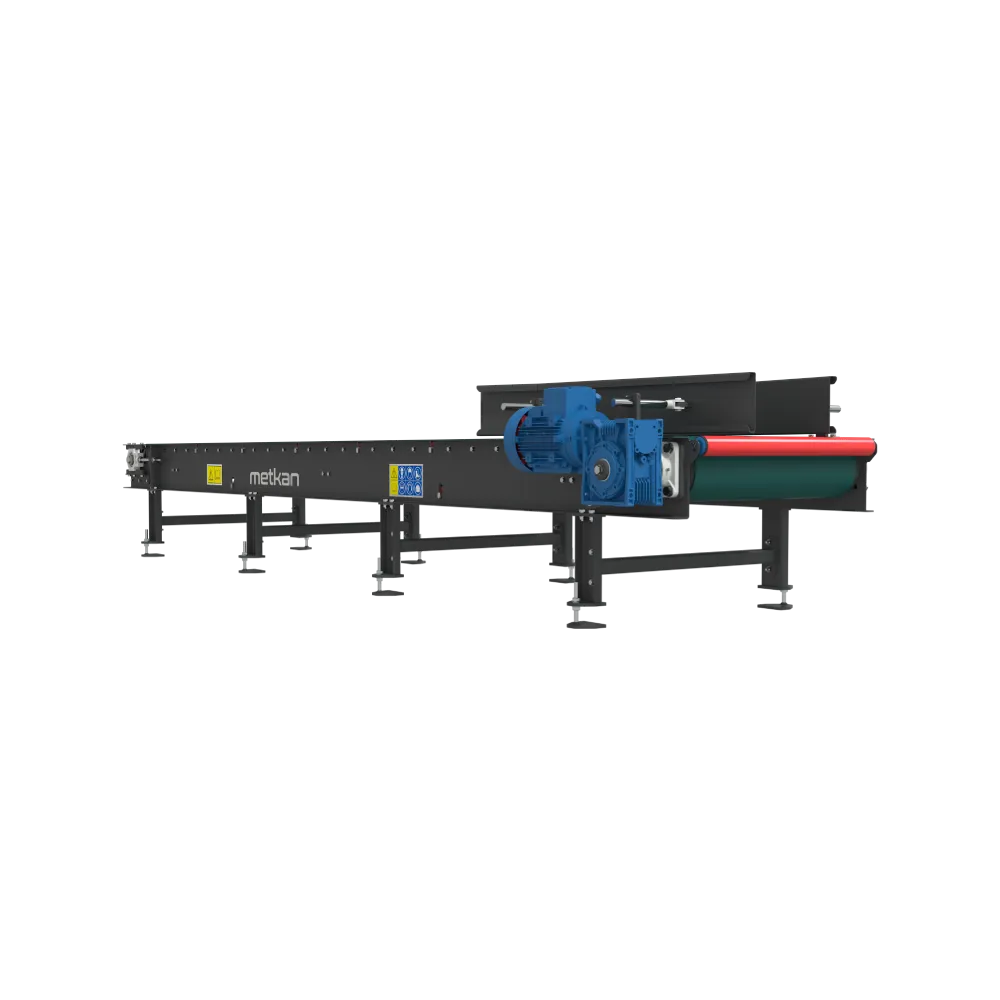
Drive-side product render of Metkan belt conveyor

How Is Motor Power Selected for Belt Conveyors?

Belt conveyors transport materials systematically within production facilities. The system ensures a continuous flow of products between the equipment on the production line. However, the conveyor's performance is determined by several technical factors. Foremost among these is the selection of the belt conveyor motor power. If the motor power is insufficient, the conveyor struggles under load. The motor draws higher current, and the belt struggles to reach the target speed. This directly reduces production capacity. Prolonged strain also shortens the service life of the motor and gearbox.

Read the technical article
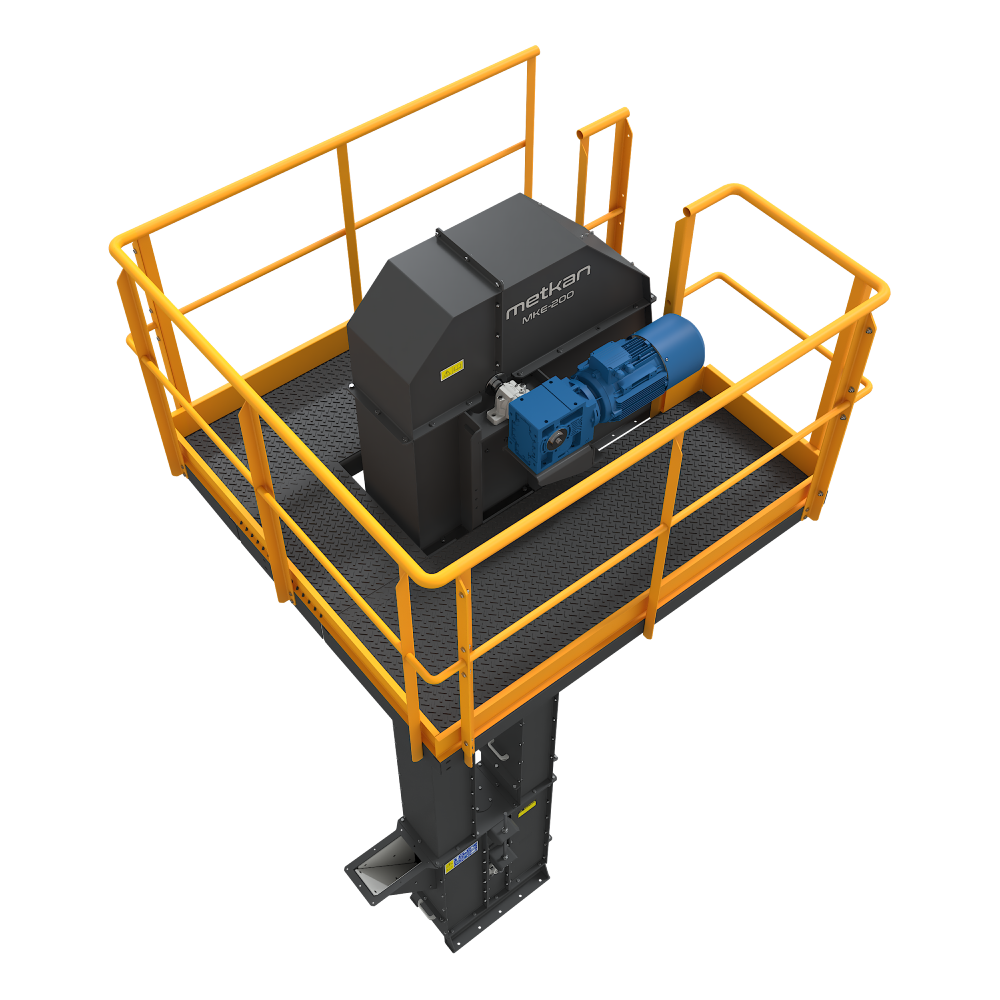
Render of Metkan bucket elevator top drive unit

How Is Capacity Calculated for a Bucket Elevator?

Bucket elevators play a vital role in the vertical transport of bulk materials. Selecting the right system is crucial, especially for production lines requiring high capacity. However, simply looking at the elevator height or motor power does not yield accurate results; calculating bucket elevator capacity requires the simultaneous evaluation of numerous technical parameters.

Read the technical article
Side view render of Metkan horizontal powder mixer

What Factors Determine the Mixing Time in a Horizontal Powder Mixer?

In powder processing, mixing time directly affects product quality and plays a decisive role in production capacity. Therefore, businesses should not select mixing times arbitrarily; every recipe dictates its own process conditions. In a horizontal powder mixer, the mixing time depends on numerous variables. Raw material structure is a primary factor, alongside particle size, density, and fill ratio. Mixer geometry and rotor speed also influence the outcome, as does the feeding sequence, which plays a significant role in achieving homogeneity.

Read the technical article
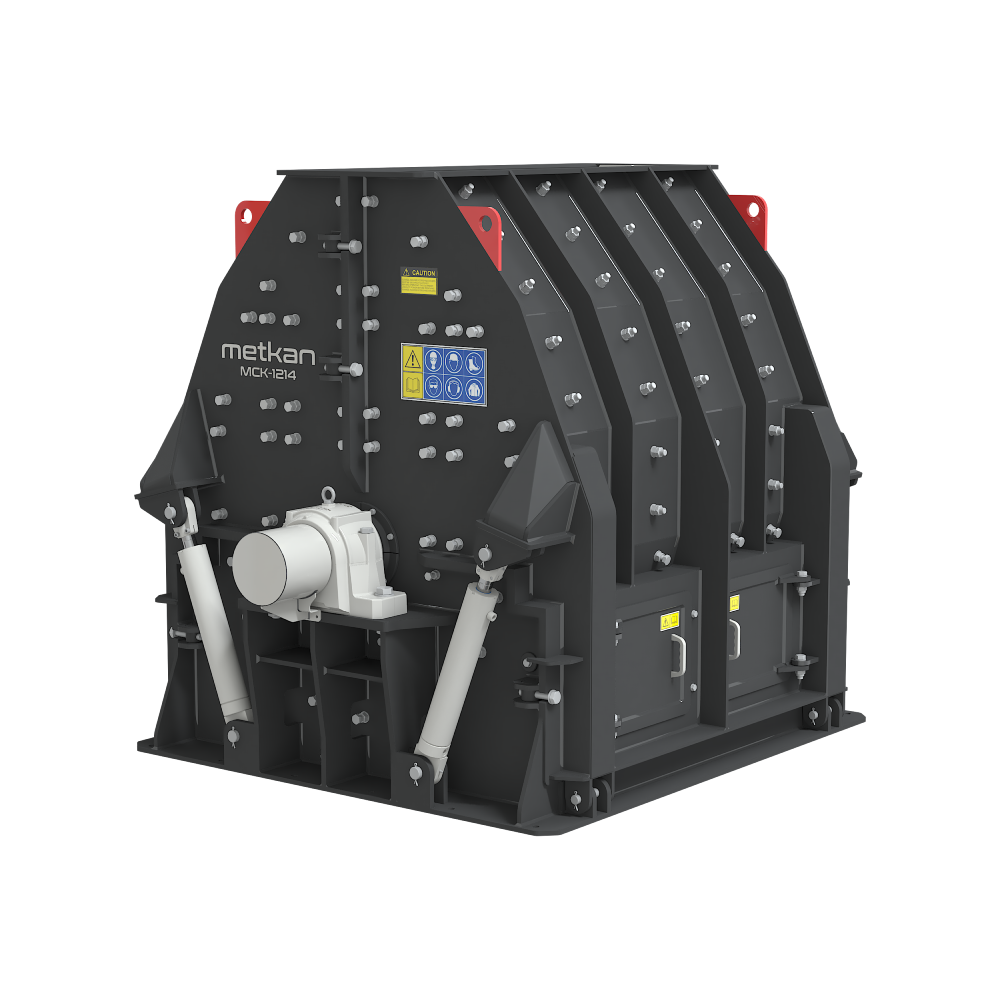
Rear view render of Metkan hammer crusher

How Can Unplanned Downtime Be Reduced in a Crushing and Screening Plant?

In crushing and screening plants, production continuity directly determines overall facility efficiency. An unplanned stoppage does not merely halt the operation of a single machine; it impacts the entire chain of feeding, crushing, screening, and conveying processes. Consequently, businesses face production losses that far exceed the duration of the downtime itself. Moreover, frequent breakdowns drive up maintenance costs. However, a proper maintenance plan significantly mitigates these risks. Additionally, automation systems continuously monitor equipment behavior, allowing the technical team to intervene before a failure escalates. At Metkan, we do not view crushing and screening plants merely as collections of machinery. Instead, we treat the entire production line as a single process, because high plant efficiency requires the right equipment, regular maintenance, and a robust automation infrastructure to work in unison. When businesses effectively manage these three areas, they reduce unplanned downtime and strengthen production continuity.

Read the technical article
LET'S PLAN TOGETHER

The next step:
your production.

Discuss your project