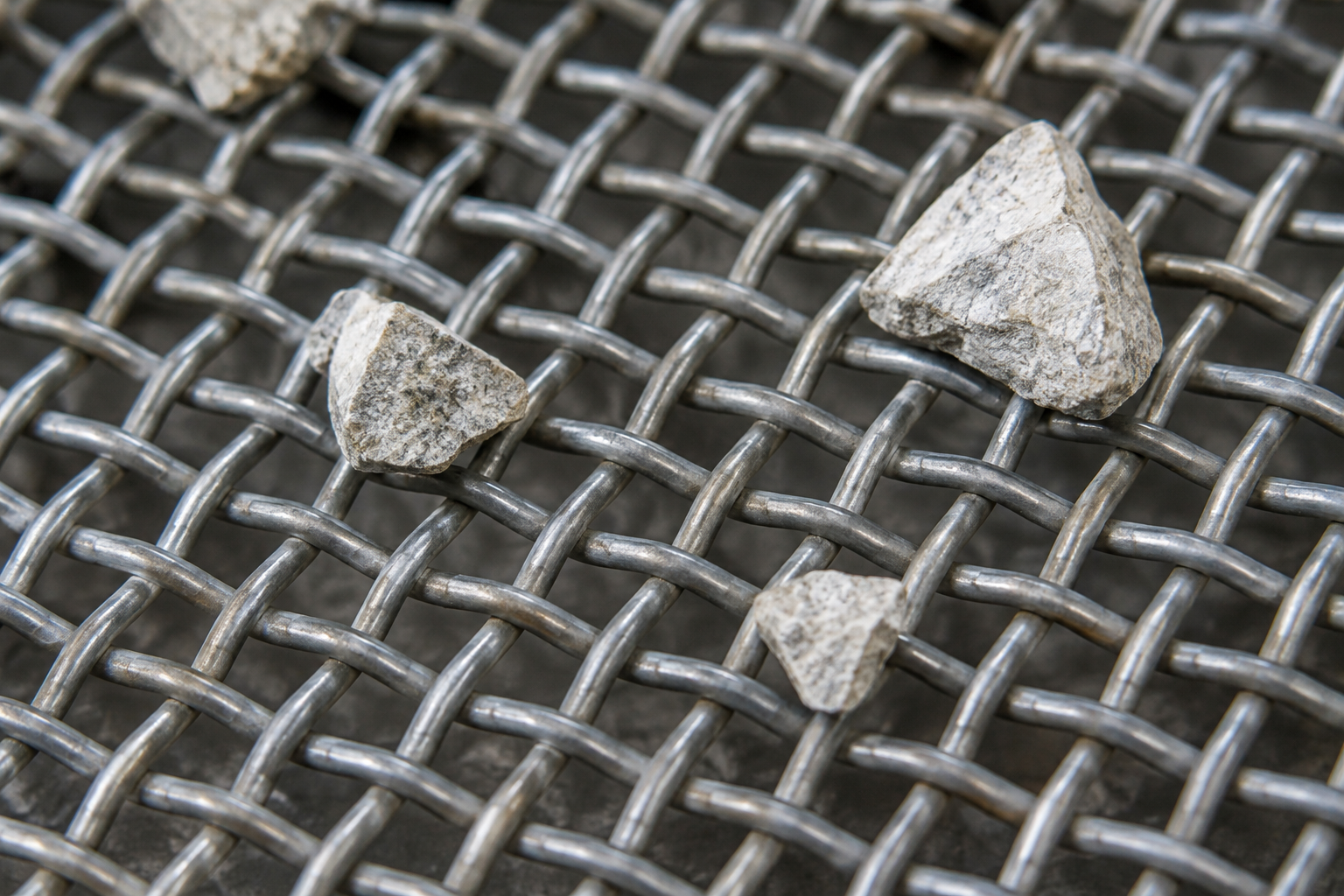
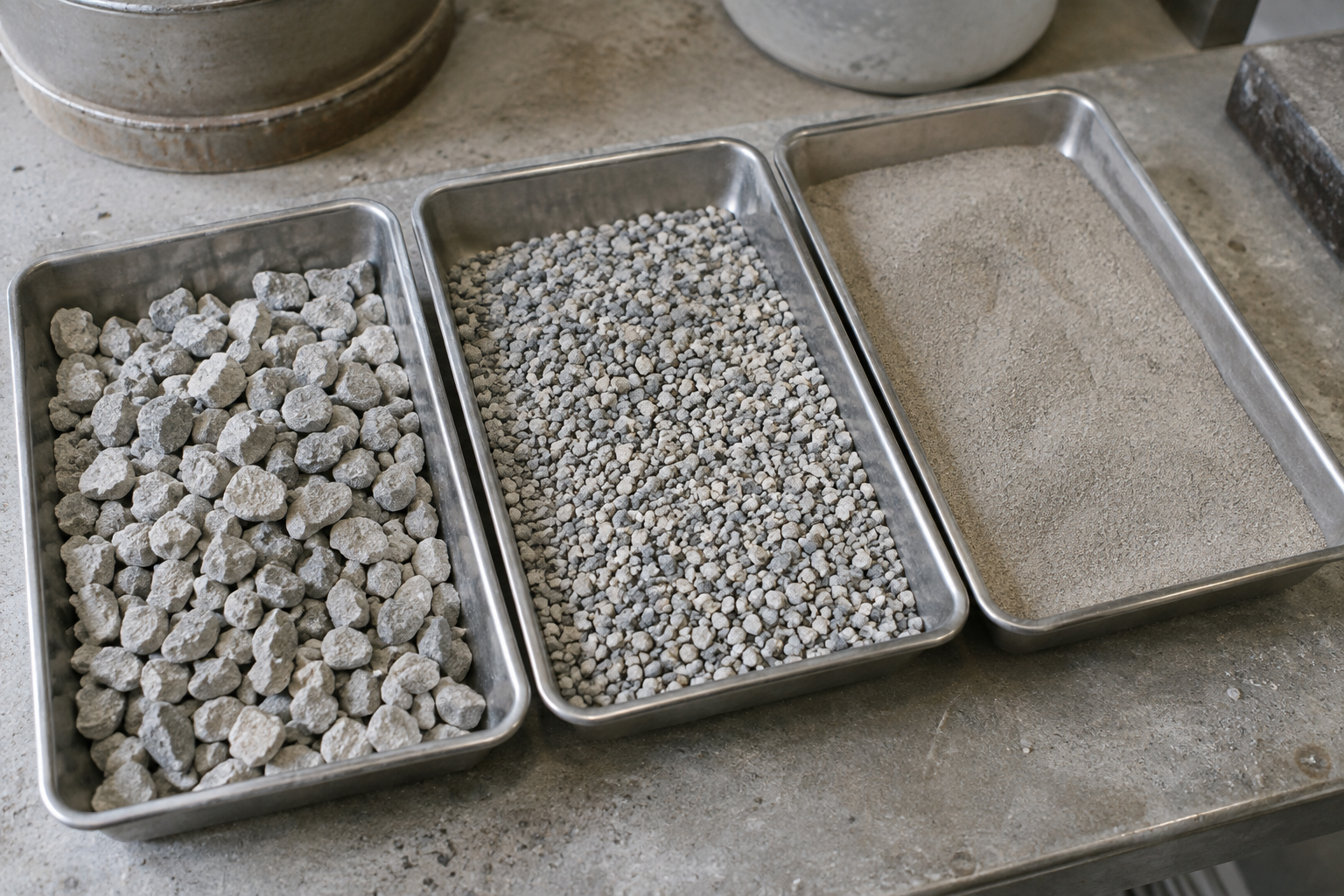
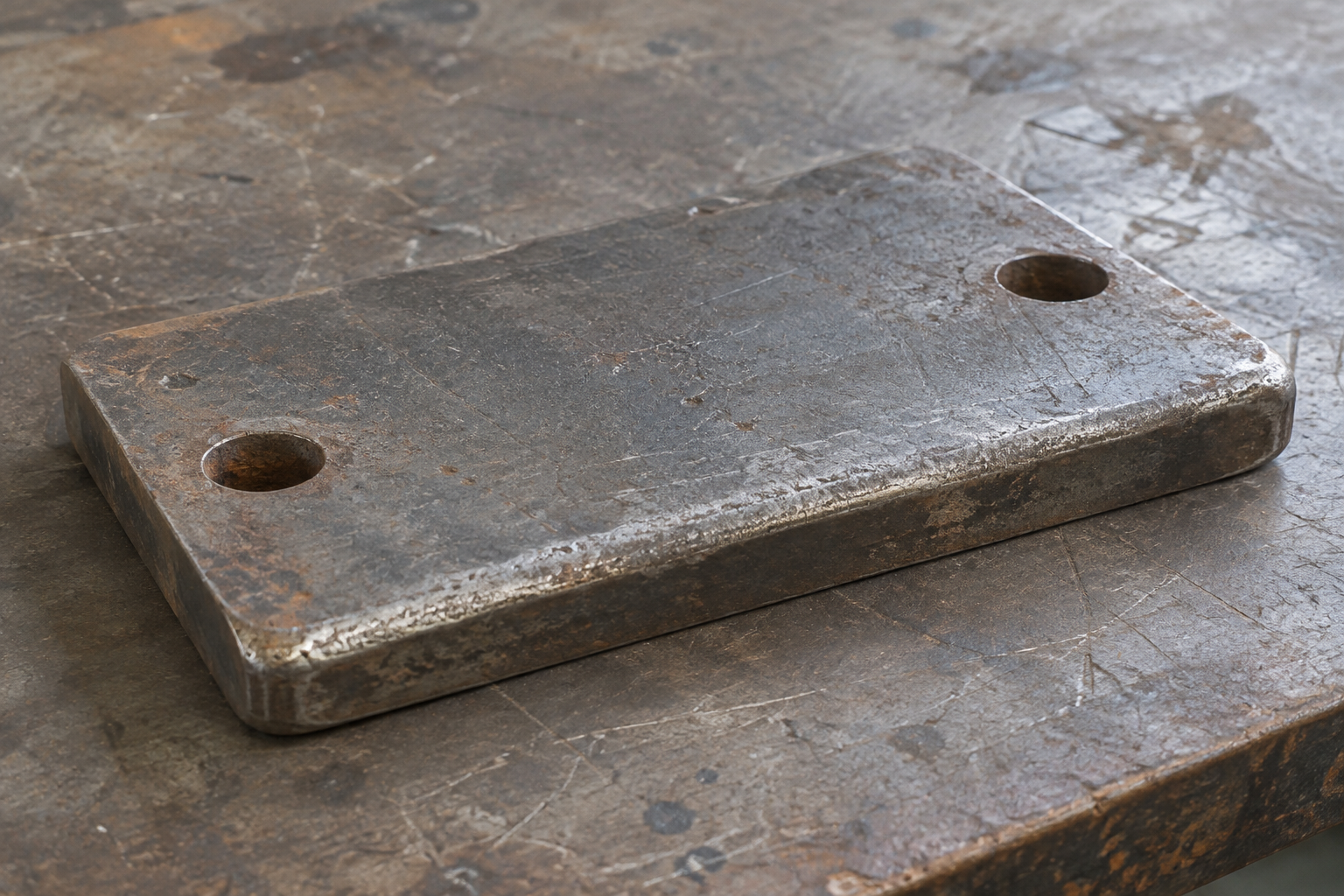
IMPACT CRUSHING
The power
behind the motion.
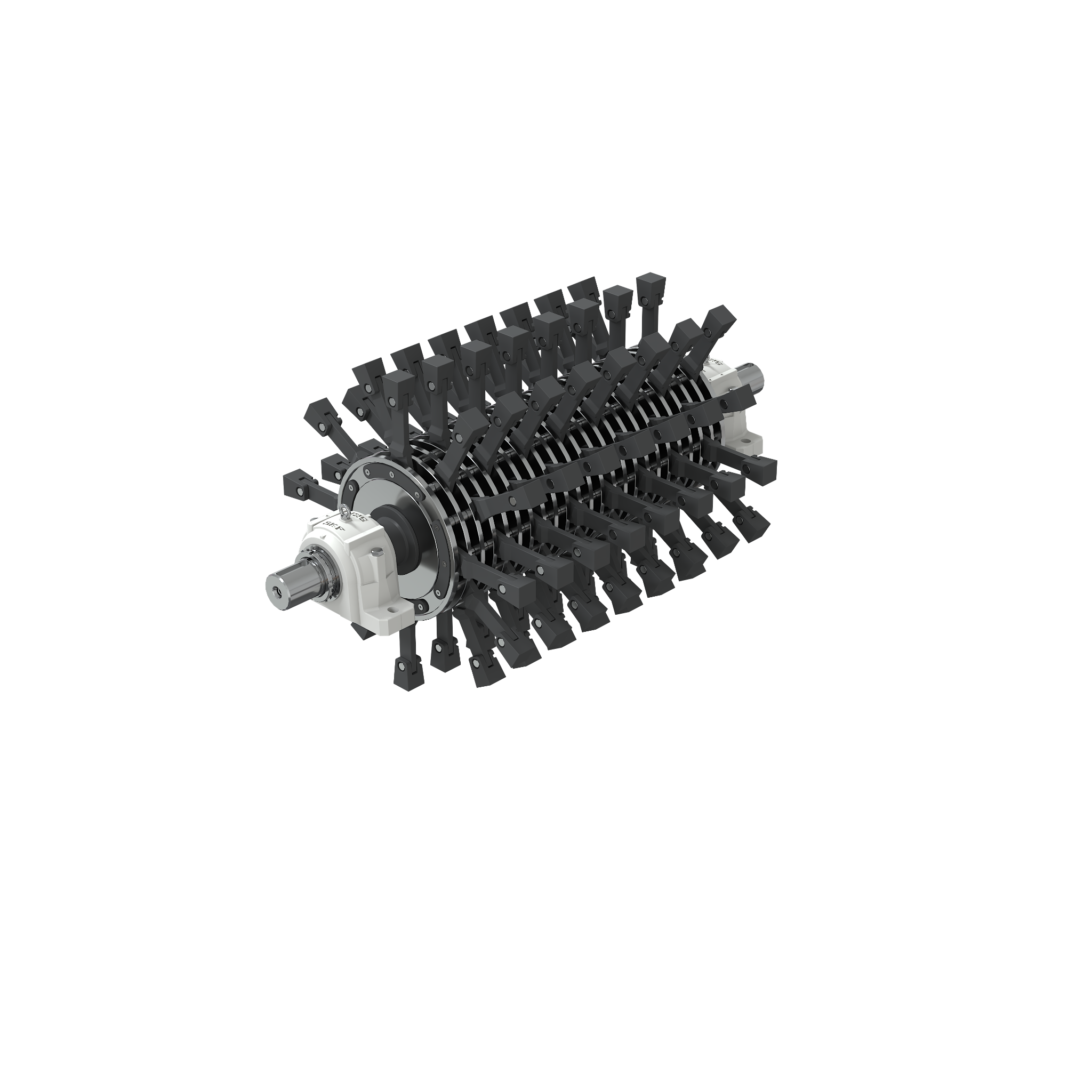
Hammers on the high-speed rotor reduce material size through impact.
 MACHINERY AND PLANT
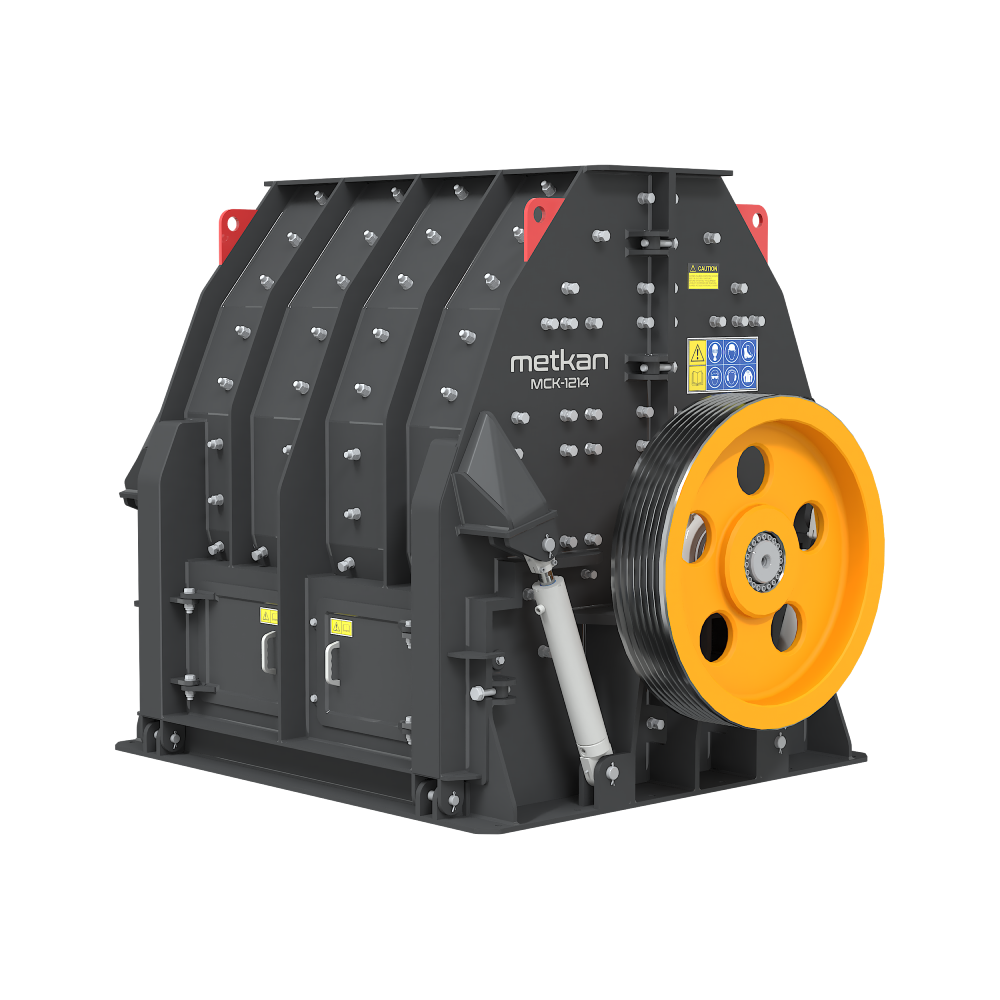
Impact that reduces material size.
A grate that determines product size.
A design focused on your process in every detail.
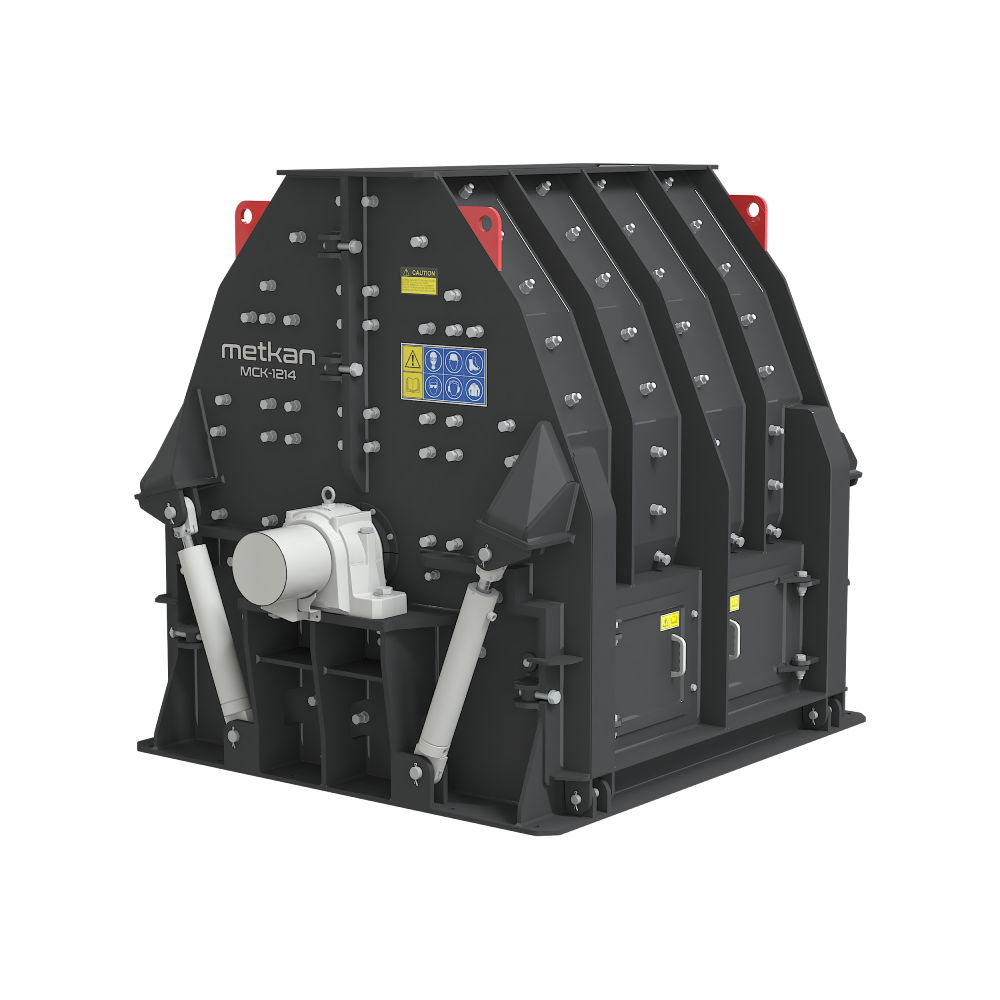
Housing structure / MCK-1214
At the heart of the crushing process is a reinforced housing that holds the rotor and wear parts together.
IMPACT CRUSHING
Hammers on the high-speed rotor reduce material size through impact.
DESIGNED WITH OPERATION IN MIND
Accessible covers. Replaceable hammers, grates, and liners. An approach that takes continuity of operation into account.
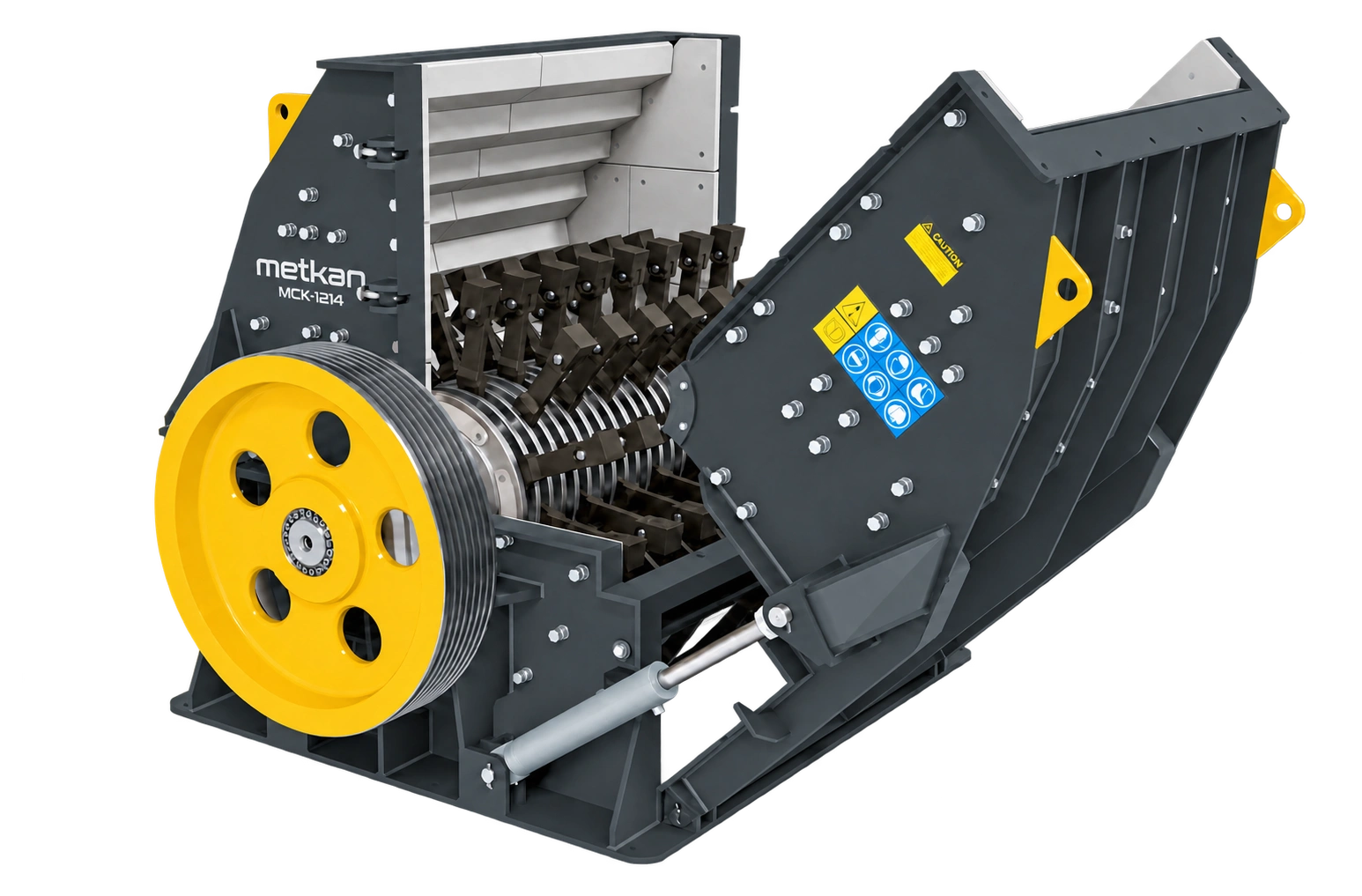
Evaluate capacity, power, and dimensions together.
Your material determines the right choice.
SELECTED MODEL
| Technical specification | MCK-1010 | MCK-1012 | MCK-1214 |
|---|---|---|---|
| Capacity¹t/h | 25–75 | 40–100 | 50–150 |
| Motor powerkW | 75–110 | 90–132 | 132–160 |
| Rotor diametermm | 1.000 | 1.000 | 1.200 |
| Rotor widthmm | 1.000 | 1.200 | 1.400 |
| Feed openingmm | 1.020 × 240 | 1.220 × 240 | 1.420 × 320 |
| Weight²kg | 6.200 | 7.600 | 9.500 |
| Selection for your project |
1. Capacities are approximate values for a material density of 1.6 t/m³. They vary according to particle distribution, moisture, brittleness, rotor speed, installed power, and circuit design.
2. Weights do not include the drive system, support legs, maintenance platform, or inlet and outlet chutes.
Hardness, abrasiveness, moisture, and target particle size. Choosing the right crusher starts with understanding these four factors.
Size reduction for low- and medium-hardness materials.
Preparation lines according to feed and product size requirements.
Crushing and recovery for suitable materials.
TECHNICAL LIBRARY
PDF · Technical document SELECTION AND MAINTENANCE
Hammer crushers are impact-type crushers developed to effectively crush medium- and low-hardness stones and minerals using high impact force. Thanks to their high-speed rotor system, adjustable grate structure, and durable hammers, they offer reliable performance in facilities requiring continuous production. While their compact design saves space, their efficient crushing principle helps reduce energy and operating costs.
Powerful impact, balanced crushing.
The high-speed rotating rotor and special alloy hammers ensure the material is effectively broken down within the crusher. This system facilitates controlled material breakage while promoting a homogeneous product distribution. It offers continuous and stable operation for high-capacity applications.
Precise control over product size.
The adjustable grate system allows the output size of the crushed material to be set to desired dimensions. It adapts quickly to different material types and production requirements. This reduces the loss of fines and enhances final product quality.
Structure suitable for demanding conditions.
The heavy-duty housing and wear-resistant hammer design ensure long-lasting, safe operation of the hammer crushers. Reinforced internal liners and rotor structure minimize performance loss, even under intense impact.
Easy maintenance, versatile application.
Thanks to its user-friendly design, maintenance and part replacement operations are quick and easy. Replaceable hammers and grates support production continuity by reducing downtime. Hammer crushers can be effectively used in both primary and secondary crushing stages across various industries.
Controlled product sizing is achieved through a high-speed rotor structure and an adjustable grate system, while the durable body and wear-resistant hammers ensure long-lasting, reliable operation.
Effectively used in aggregate production plants, limestone and coal preparation lines, mining applications, and recycling facilities. Thanks to its compact design and high efficiency, it offers a reliable solution for both primary and secondary crushing stages.
*Based on material with a density of 1.6 tons/m³.
The specified capacity values are approximate; crusher performance may vary depending on the feed material's particle size distribution, moisture content, and friability, as well as the crusher's rotational speed, installed power, and the design of the crushing circuit.
**The weights shown do not include the drive system, support legs, maintenance platform, or inlet and outlet chutes.
THE NEXT STEP
Tell us about your material and target capacity.
Let's select the crusher suited to your process together.
A hammer crusher reduces suitable soft to medium-hard minerals by impact. Limestone crushing and dry mortar raw material preparation require the crusher, screen and recirculation circuit to work together. Feed size, abrasiveness, moisture and target product grading guide the selection of the MCK series.
RELATED ARTICLES
In a closed crushing and screening circuit, the crusher does not process fresh feed alone. Material retained above the target size by the screen also returns to the crusher. Plant feed and actual crusher load are therefore not the same. A sound calculation first defines which stream the return percentage refers to, then combines fresh feed and recycle in one mass balance.
Read the technical articleHammer crusher selection directly determines the overall performance of the crushing-screening line. This is because the machine does more than just reduce material size; It also affects the feed arrangement, product flow, screen load, and the operational balance of downstream conveying equipment. An incorrectly selected crusher limits capacity, causes fluctuations in product size, and increases maintenance requirements. Conversely, a correctly selected system balances the line, strengthens production continuity, and boosts operational efficiency. The technical selection process must take into account material characteristics, target capacity, desired product size, and the other equipment within the line.
Read the technical articleHammer crushers offer powerful and flexible solutions for reducing various raw materials to a target particle size. However, businesses cannot consistently maintain the same product size simply by commissioning the machine. Feed size, hammer configuration, rotor speed, screen aperture, and material properties directly influence product size. A change in any of these parameters alters the particle size distribution of the output product. Therefore, facilities must focus on product standards as well as capacity. Industries such as construction chemicals, mineral processing, mining, and dry-mix production, in particular, require a narrow particle size range. Irregular product sizing leads to efficiency losses during subsequent screening, mixing, and packaging stages.
Read the technical articleHammer crushers operate under intense mechanical loads during the size reduction processes of mineral and industrial raw materials. Hammers continuously strike the material, screens control the product size, and the rotor ensures the continuity of the crushing action. This operational setup inevitably leads to natural wear on certain parts over time. However, for operators, the real question is not whether wear will occur, but rather determining the correct time to replace the hammer crusher's wear parts. Replacing parts too early increases maintenance costs, while delaying replacement results in capacity loss, high energy consumption, and inconsistent product sizing.
Read the technical article