Process and layout
Integrated assessment of material flow, equipment layout, and transfer points.
 MACHINERY AND PLANT
We plan feeding, crushing, screening, and recirculation around a single production objective.
Discover our approach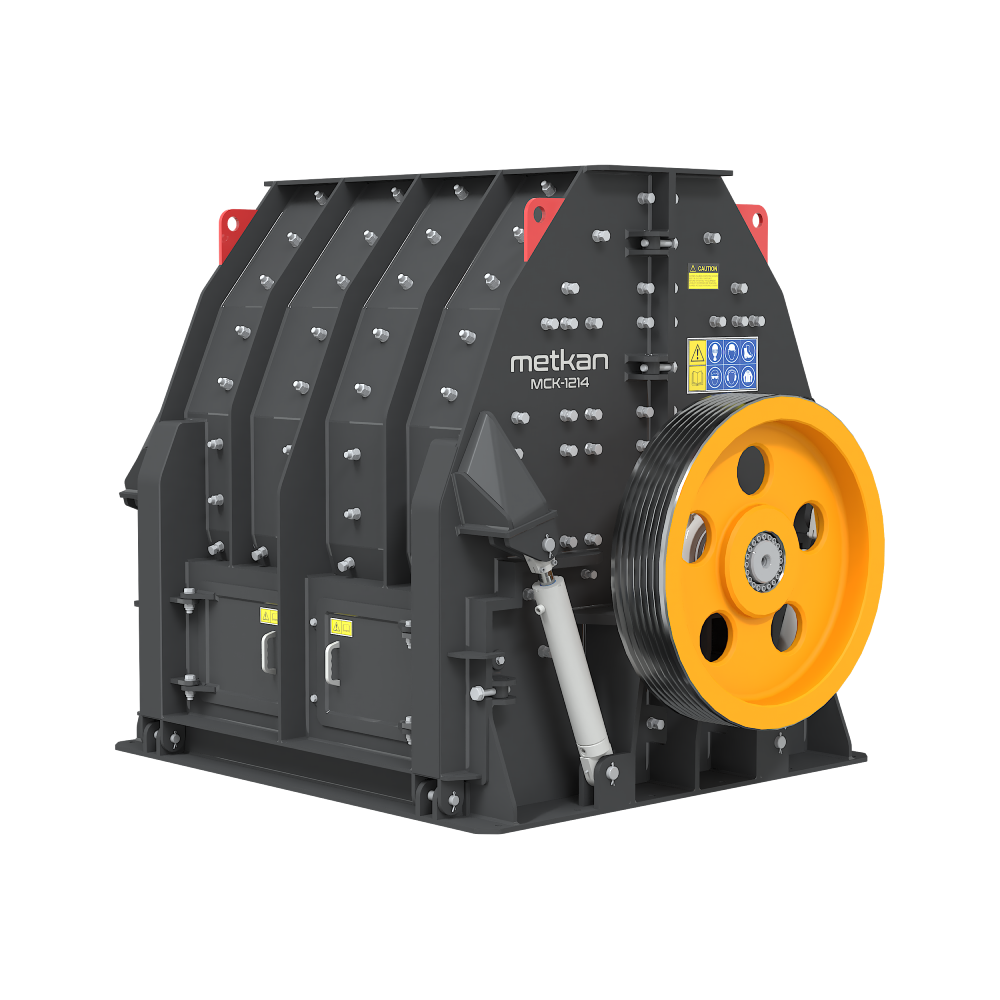
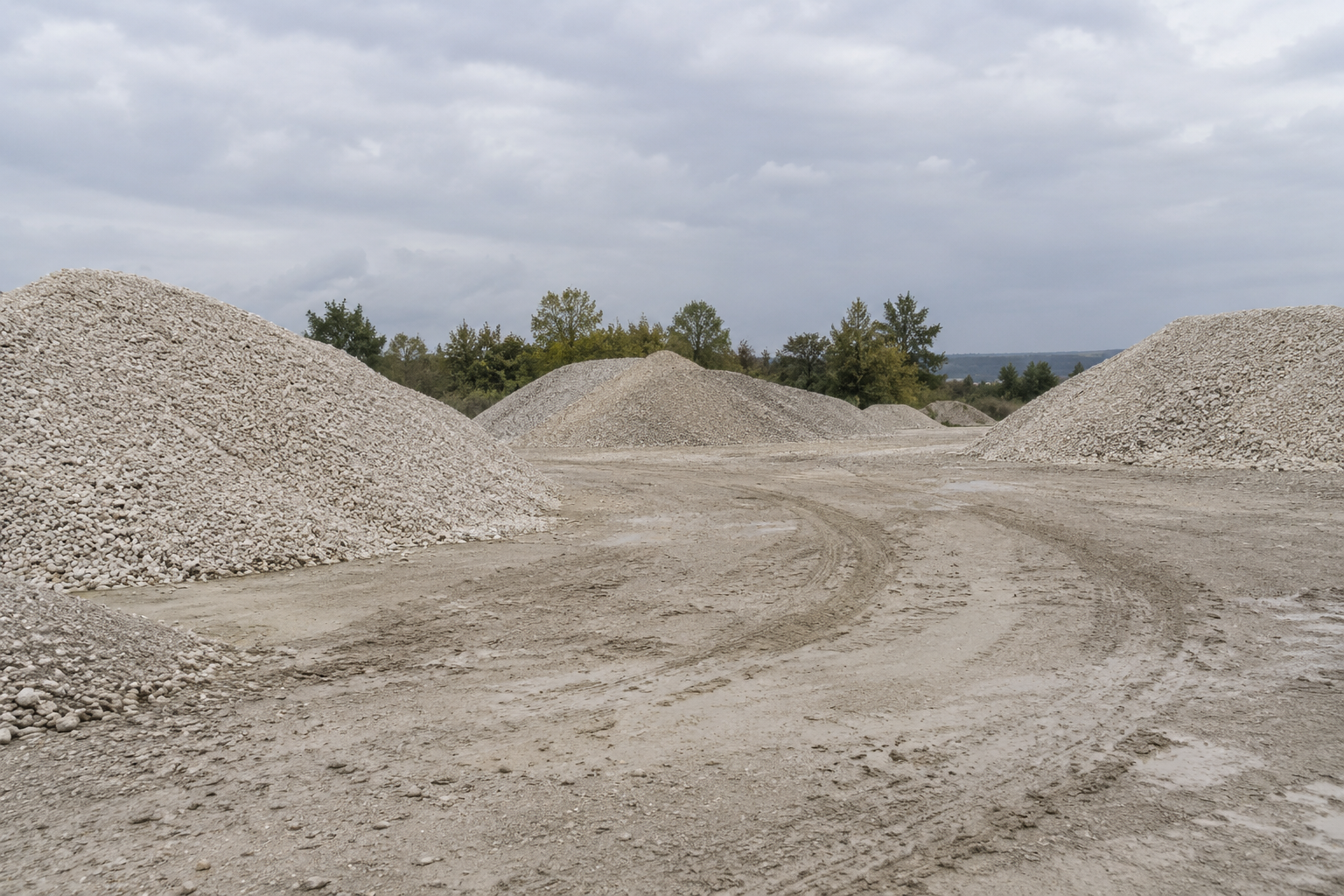
In micronized crushing and screening plants, the target product distribution is achieved not merely through equipment selection, but through circuit design. Metkan configures the entire line—from feed to the screening-recycle loop—by holistically considering capacity, wear, and energy consumption. The objective is stable on-site production, a controlled product, and minimal downtime.
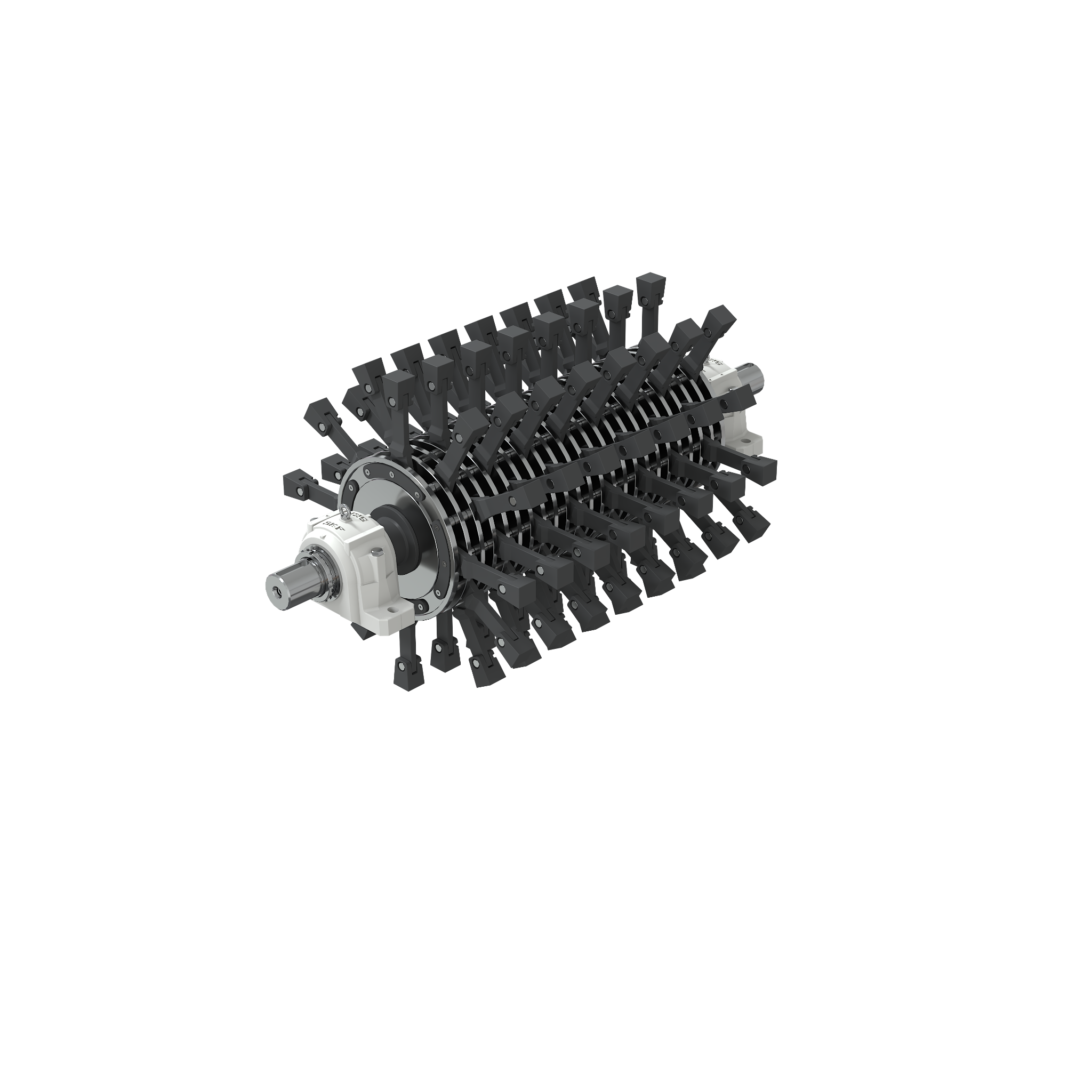
Examine the input, function, and impact on the next step for each stage.
We determine the line's operating conditions based on the feed material's particle size distribution, moisture content, and feeding pattern.
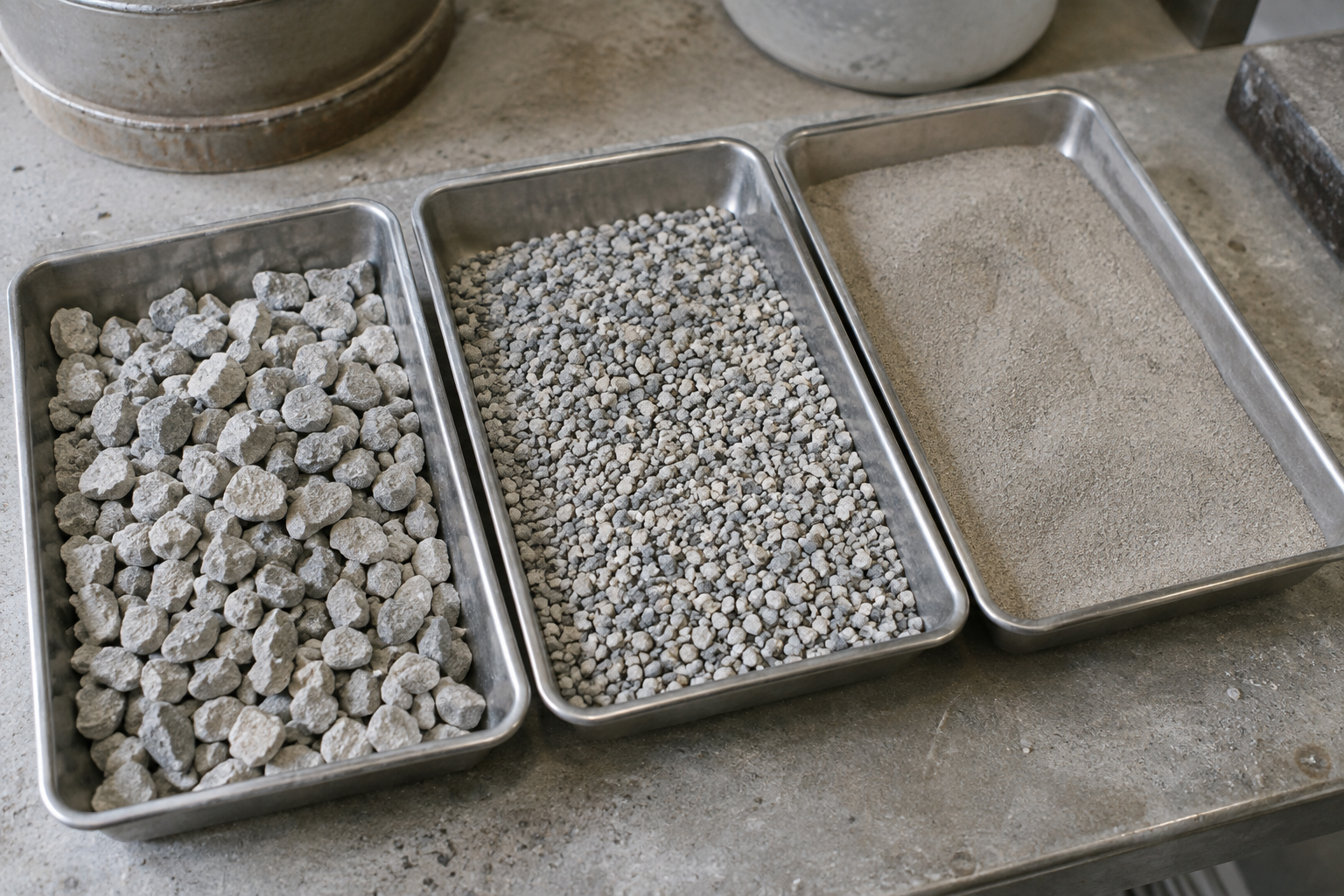
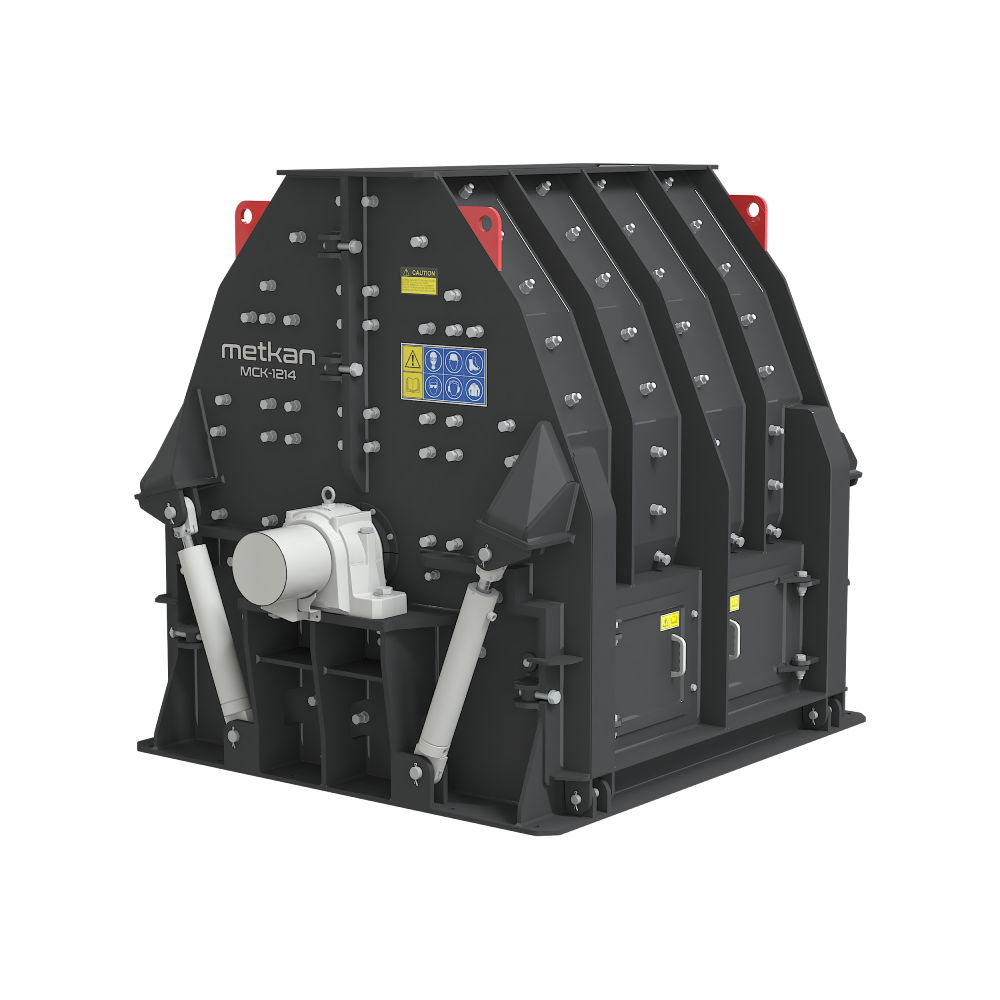
We address the target product size by considering material behavior, wear, energy requirements, and maintenance access.
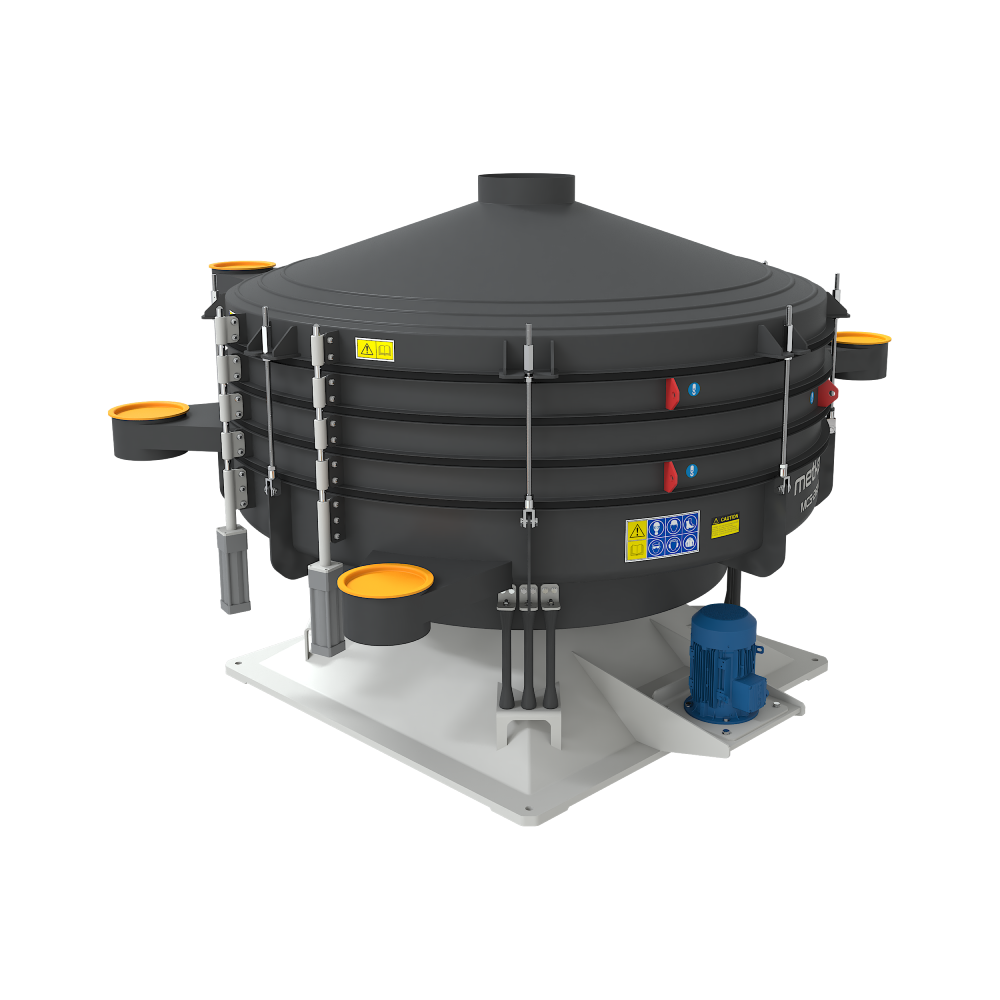
We evaluate screen area, deck configuration, and media selection based on target fractions. We account for the impact of fines and moisture at the start of the process.
We plan the reprocessing of oversize material, the circulating load, and transfer points in an integrated manner.
New line, capacity expansion, or optimization of the existing circuit.
Aggregate preparation and classification; projects targeting micronized/fine products from crushable materials (e.g., barite, limestone, coal), as well as line revisions, debottlenecking, capacity expansion, and product quality improvements.
Integrated assessment of material flow, equipment layout, and transfer points.
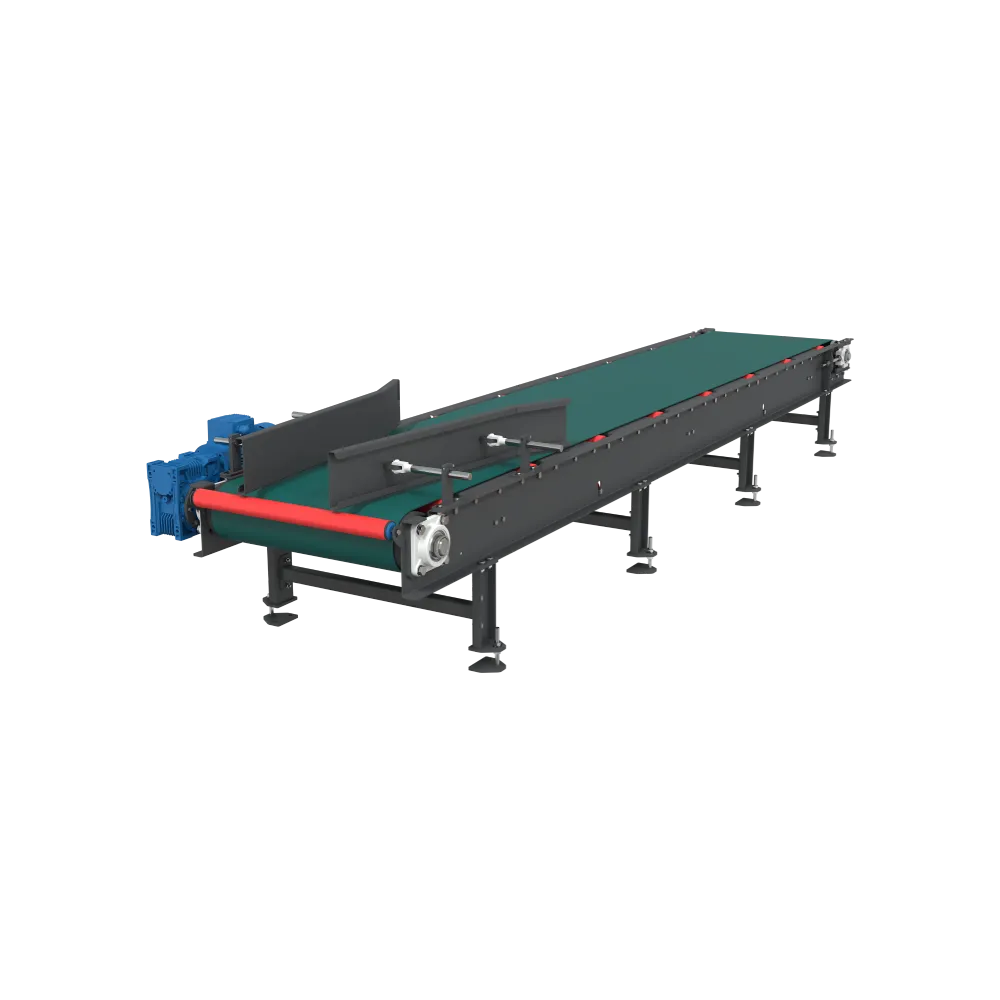
Matching crushers, screens, and conveying solutions to the target product.
Addressing enclosed transfer details, filter integration, and replaceable wear surfaces.
Analyzing existing bottlenecks; evaluating feed, screening, and recirculation settings on-site.
Material type, particle size distribution, moisture, and density.
Desired fractions, product distribution, and target capacity.
Existing equipment, available space, elevations, and transfer points.
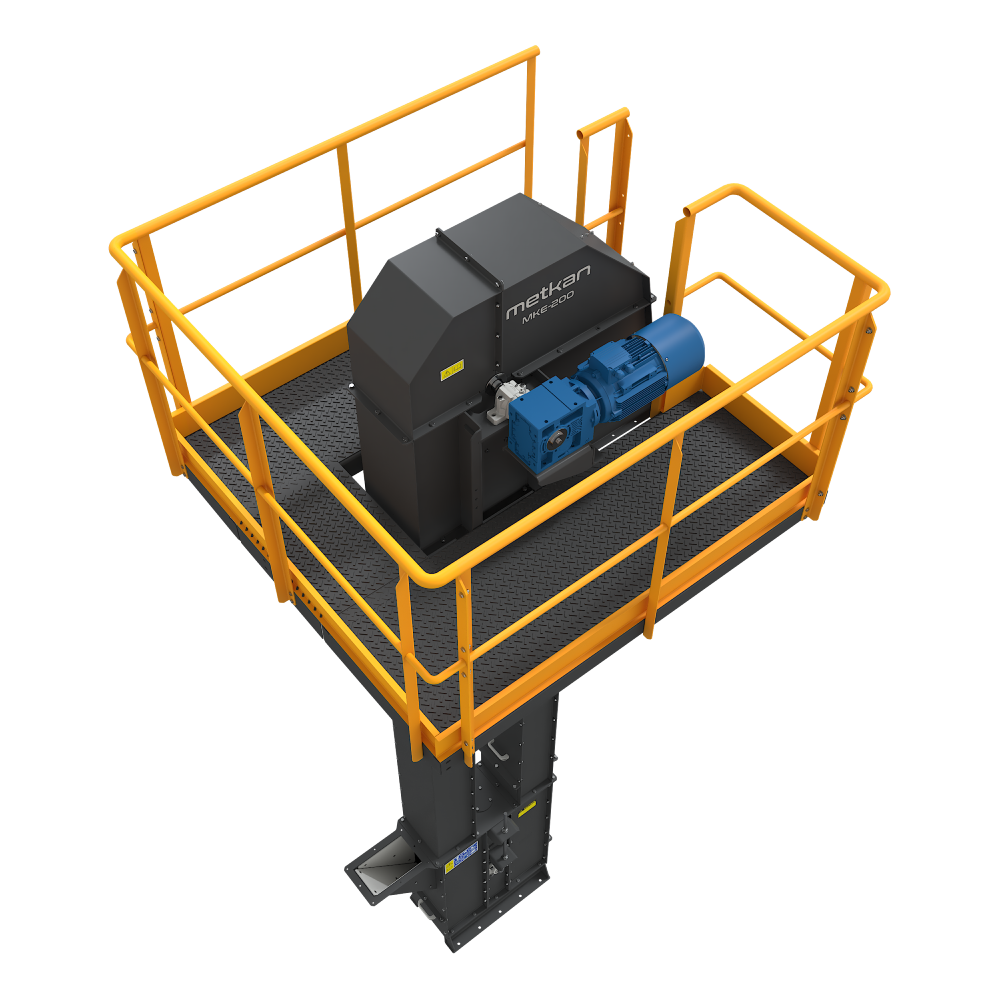
A crushing and screening plant or mineral preparation line is defined by its target product. For suitable limestone, calcite and other feedstocks, the crusher, screen, bucket elevator and recirculation flow are planned together. Scope can include a new line, plant revamp or bottleneck removal.
RELATED ARTICLES
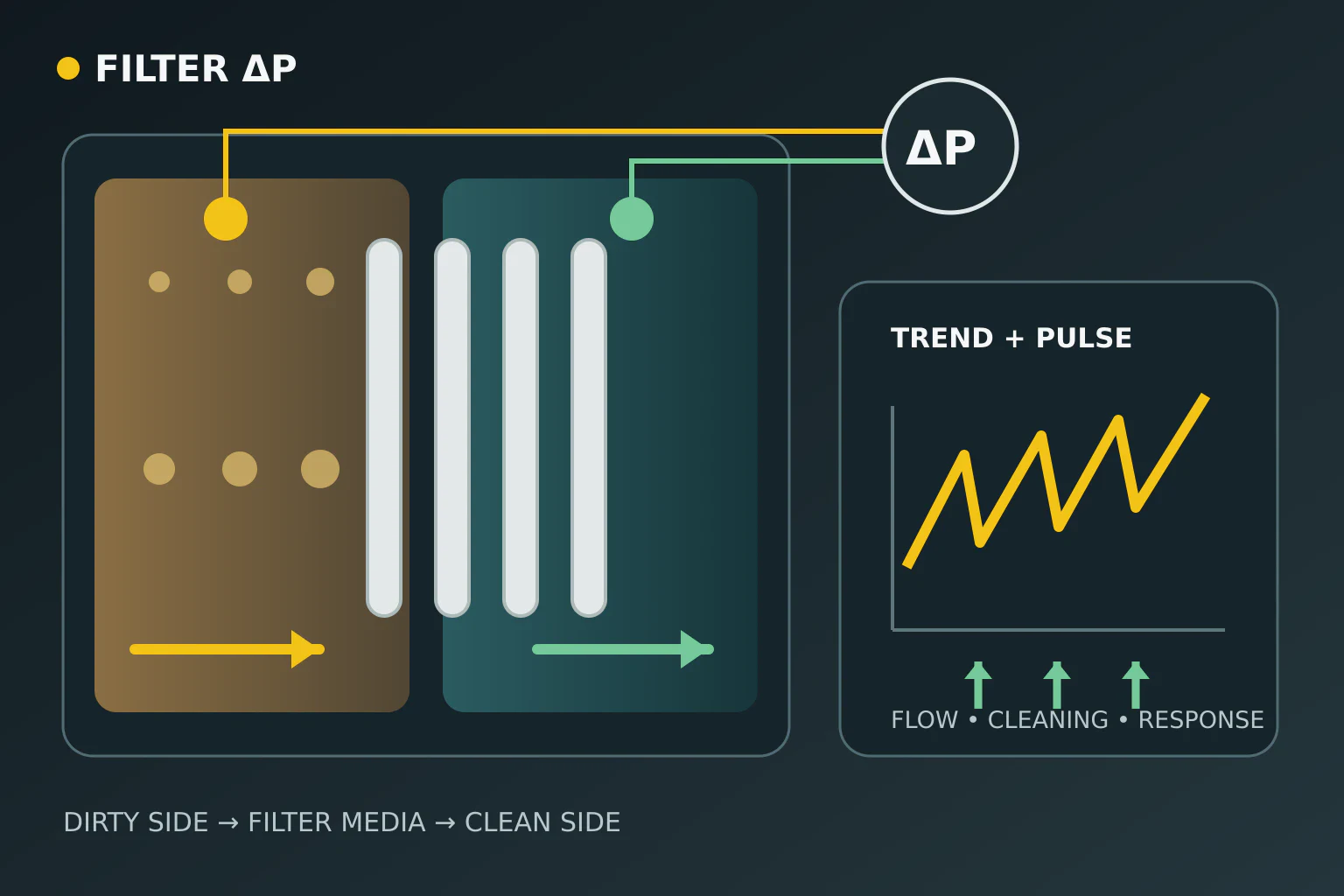
Differential pressure in a pulse-jet filter is the pressure difference between the dirty-air and clean-air plenums. It makes resistance across the filter surface visible, but does not prove bag condition by itself. The same pressure drop means different things at different airflow rates. Diagnosis therefore requires reading its trend together with airflow or fan load, cleaning pulses, inlet temperature and product condition.
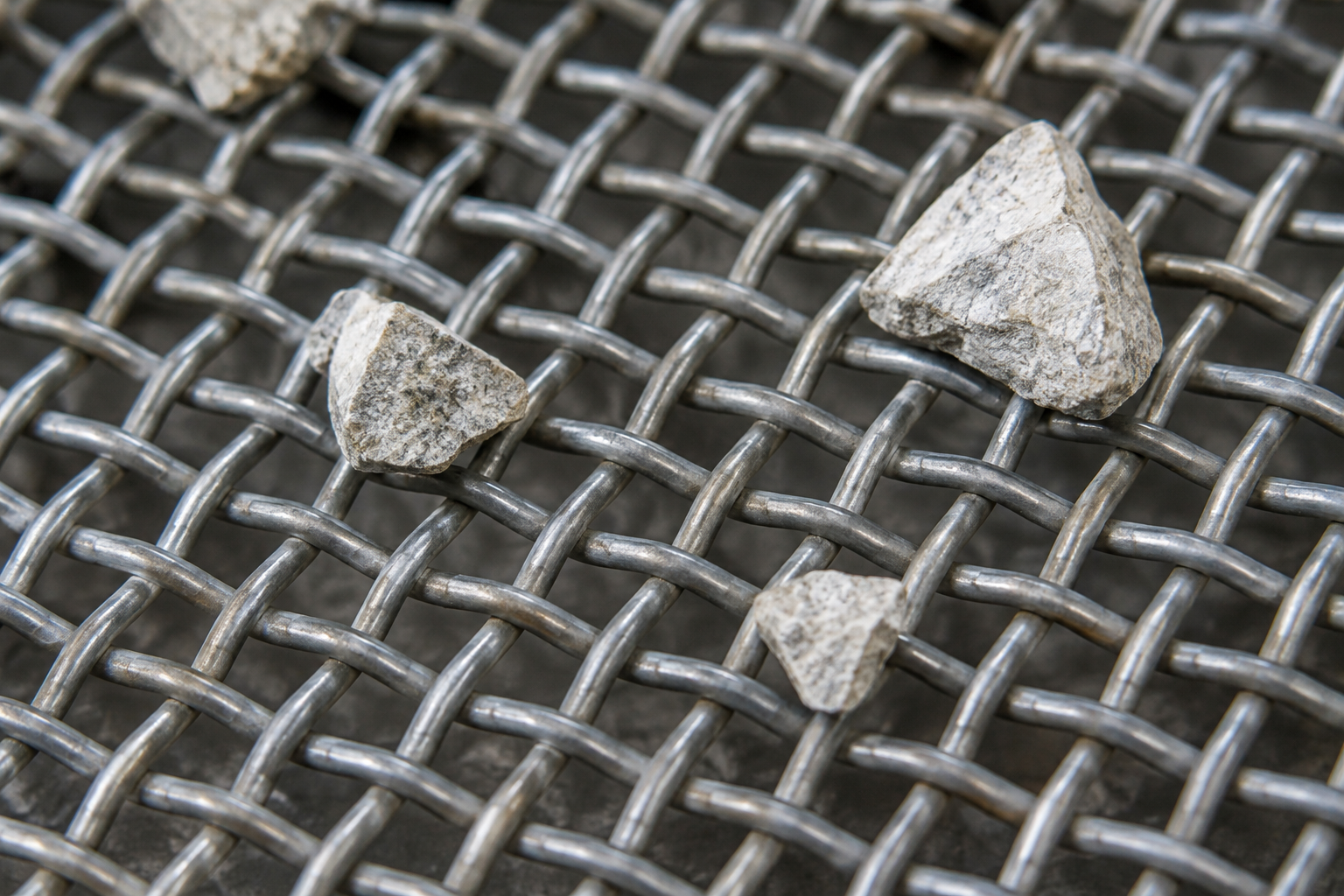
Read the technical articleOrdering the same aperture when replacing screen cloth is not enough to preserve the same screening conditions. A change in wire thickness also changes the proportion of openings through which material can pass. Screen cloth open area quantifies that difference. However, the calculated percentage is not a throughput in tonnes per hour. This guide explains the calculation for square woven cloth and the limits to check when purchasing it.
Read the technical articleIn a closed crushing and screening circuit, the crusher does not process fresh feed alone. Material retained above the target size by the screen also returns to the crusher. Plant feed and actual crusher load are therefore not the same. A sound calculation first defines which stream the return percentage refers to, then combines fresh feed and recycle in one mass balance.
Read the technical articleThe installation of a turnkey crushing and screening plant involves more than just assembling a few machines. This process requires the integrated management of capacity planning, proper product flow, appropriate equipment matching, site layout, and commissioning. Metkan Makine positions itself as a manufacturer offering machinery and turnkey plant solutions for the mining and aggregate sectors, emphasizing end-to-end service—from initial planning to final commissioning.
Read the technical articleIn crushing-screening plants, the need for capacity rises as production demand increases. At this stage, businesses face a critical investment decision: Should the existing line be expanded through revision? Or should the operation set up a new crushing and screening plant? The right decision does not depend solely on the investment budget; the performance of existing machinery, process bottlenecks, and the target capacity directly influence the choice. Material properties also determine equipment selection. Furthermore, site space and energy consumption shape the investment model.
Read the technical articleThe production of micronized products requires robust dust management due to the very fine particle sizes involved. Stages such as grinding, crushing, screening, conveying, silo storage, and packaging can release fine particles into the air. Failure to control these particles reduces visibility in the production area. Furthermore, it compromises worker comfort, leads to the fouling of equipment surfaces, and increases product loss. Heavy dust accumulation also makes it difficult for maintenance teams to detect malfunctions early. Therefore, facilities should not view dust control merely as a cleaning task. Effective dust management encompasses a combination of process design, filtration, enclosed conveying, proper air balance, and a disciplined maintenance routine.
Read the technical article