Turnkey crushing and screening plant installation is not completed merely by bringing a few machines together. This process requires the integrated management of capacity planning, proper product flow, appropriate equipment matching, site layout, and commissioning. Metkan Makine positions itself as a manufacturer offering machinery and turnkey plant solutions for the mining and aggregate sectors, while also emphasizing end-to-end service—from planning to commissioning.
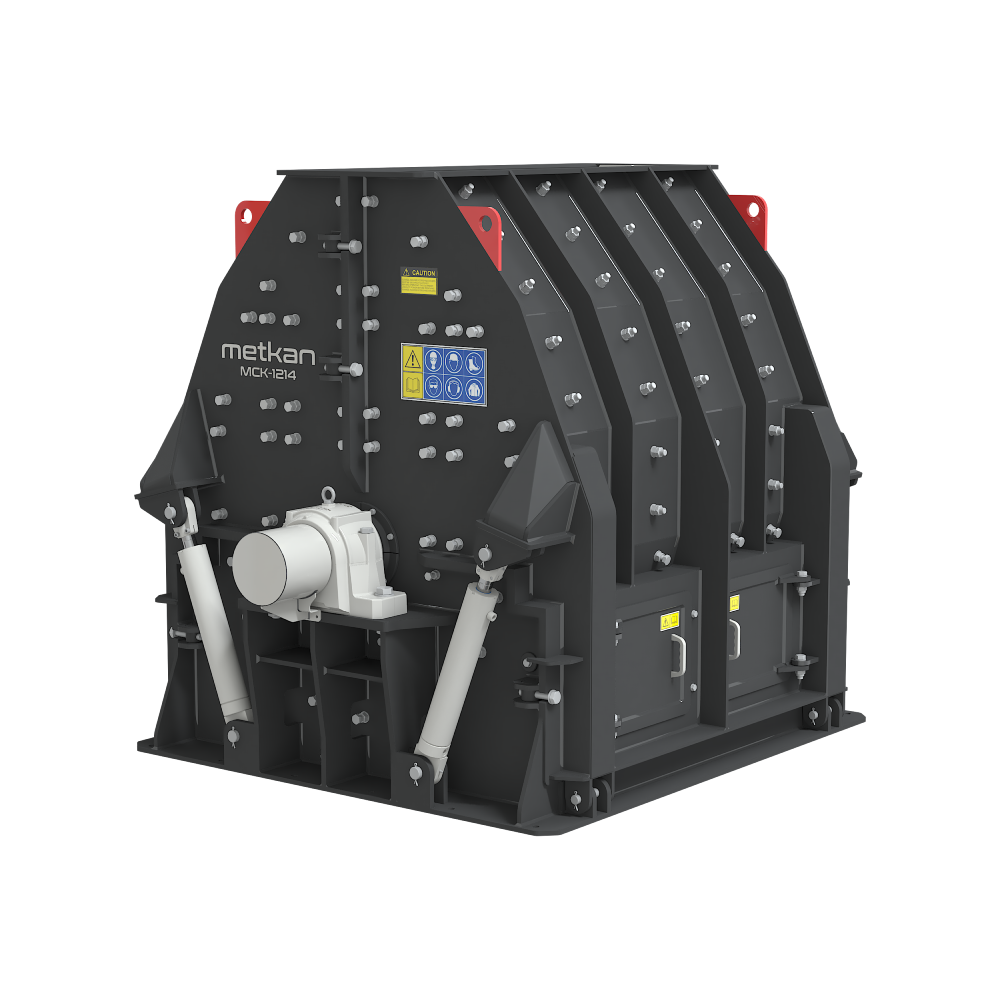
Crushing and screening plant Enterprises investing in this area generally focus on the same questions. Where does the process begin? How is capacity determined? Which pieces of equipment work together? How is the installation planned? What details during the commissioning phase determine the outcome? All these questions impact the investment's payback period. A well-planned plant balances the production flow; conversely, a poorly designed plant increases the risk of downtime, compromises product quality, and raises operating costs. Metkan MakineThe inclusion of hammer crushers, circular vibrating screens, and conveying equipment within the product portfolio demonstrates that a crushing and screening plant must be approached as a holistic system.
Contents
- Why is the installation of a turnkey crushing and screening plant a strategic investment?
- What are the key stages of the installation process?
- How are needs analysis and capacity planning conducted?
- How are the layout plan and equipment selection determined?
- How do crushing, screening, and conveying systems work together?
- What factors require attention during the installation and commissioning process?
- Why should automation, safety, and maintenance planning be considered from the outset?
- What approach does Metkan Makine offer during this process?
- Frequently Asked Questions
Why is the installation of a turnkey crushing and screening plant a strategic investment?
Crushing and screening plant...forms the heart of the production line. This is because the plant does not merely reduce material size; it also determines product classification, flow patterns, and final capacity. Therefore, the investment decision should not be viewed simply as a machinery purchase. A correct configuration enhances production continuity, allows for greater control over product size, and reduces the need for operator intervention.
The same investment yields different results if configured incorrectly. If the feed is irregular, the crusher operates unstably. Screen capacity If it proves inadequate, product separation efficiency suffers. If the conveying system is not properly designed, material accumulation occurs along the line. Consequently, the facility fails to achieve its theoretical (design) capacity in actual operation. This is why a turnkey approach is crucial; it focuses on the harmony of the entire system rather than the performance of individual pieces of equipment.
What are the key stages of the installation process?
Turnkey crushing and screening plant Installation proceeds through specific stages. The first stage involves analyzing requirements and capacity. In the second stage, the site and layout plans are finalized. Equipment selection is completed in the third stage. Subsequently, the manufacturing, assembly, and commissioning processes begin. Finally, testing, adjustments, and operational handover steps are completed.
These stages do not progress independently of one another. On the contrary, each stage directly influences the next. For instance, if the capacity calculation is flawed, the layout plan will also be inadequate. If the layout is not designed correctly, modifications become necessary during assembly. If insufficient checks are performed prior to commissioning, the testing period is prolonged. Therefore, the process must be managed with discipline from the very beginning. This is precisely where the turnkey model demonstrates its greatest strength: planning, manufacturing, and commissioning are managed within a single, integrated workflow.
How are needs analysis and capacity planning conducted?
Crushing-Screening For the facility, the initial questions to address are: What material will be processed, and what is the target hourly output? Capacity calculations begin with these two data points. Material hardness, particle size, moisture content, and breakage characteristics directly influence equipment selection. The same capacity targetmay require different machine configurations depending on the material. Therefore, the operation must first clarify its production goals.
Next, the final product fractions must be determined. Will the operation require a single product, or will it produce classified products in multiple sizes? This question dictates the screen structure and line flow. Additionally, shift duration, daily production targets, and potential future capacity increases should be considered at this stage, as the facility must be planned not only for current demand but also for the possibility of medium-term growth. A sound capacity planprevents the investment from becoming inadequate in the short term while also avoiding the costs associated with an unnecessarily large installation.
How are the layout plan and equipment selection determined?
The layout plandirectly determines the facility's operational efficiency. The material intake point, crusher location, screen placement, stockpiling areas, and conveyor lines must be arranged in a logical sequence; the shorter and more orderly the product flow, the more balanced the facility's operation will be. Otherwise, unnecessary changes in direction, load imbalances, and bottlenecks may occur, all of which reduce efficiency.
Equipment selection is shaped in conjunction with the layout plan. The crusher type is determined based on the target size-reduction ratio, while the screen structure is selected according to the desired product sizes. Belt conveyors or other conveying equipment must be planned according to the distance across the site and the nature of the load. At this stage, it is not enough for the individual pieces of equipment to be high-quality on their own; the crucial factor is that they support one another in perfect rhythm. The integrated positioning of crushers, screens, and conveying systems within Metkan Makine’s product family aligns with this holistic plant philosophy.
How do crushing, screening, and conveying systems work together?
The crusher reduces the material to near the target size. The screen classifies this material. Meanwhile, the conveying system transports the entire flow from one point to another. This trio forms the backbone of the crushing and screening plant. If the crusher operates powerfully but the screen is inadequate, product separation suffers. If the screen functions correctly but the conveying system cannot handle the flow, material backs up along the line. Therefore, the system must be established based on a chain-like logic rather than as disjointed parts.
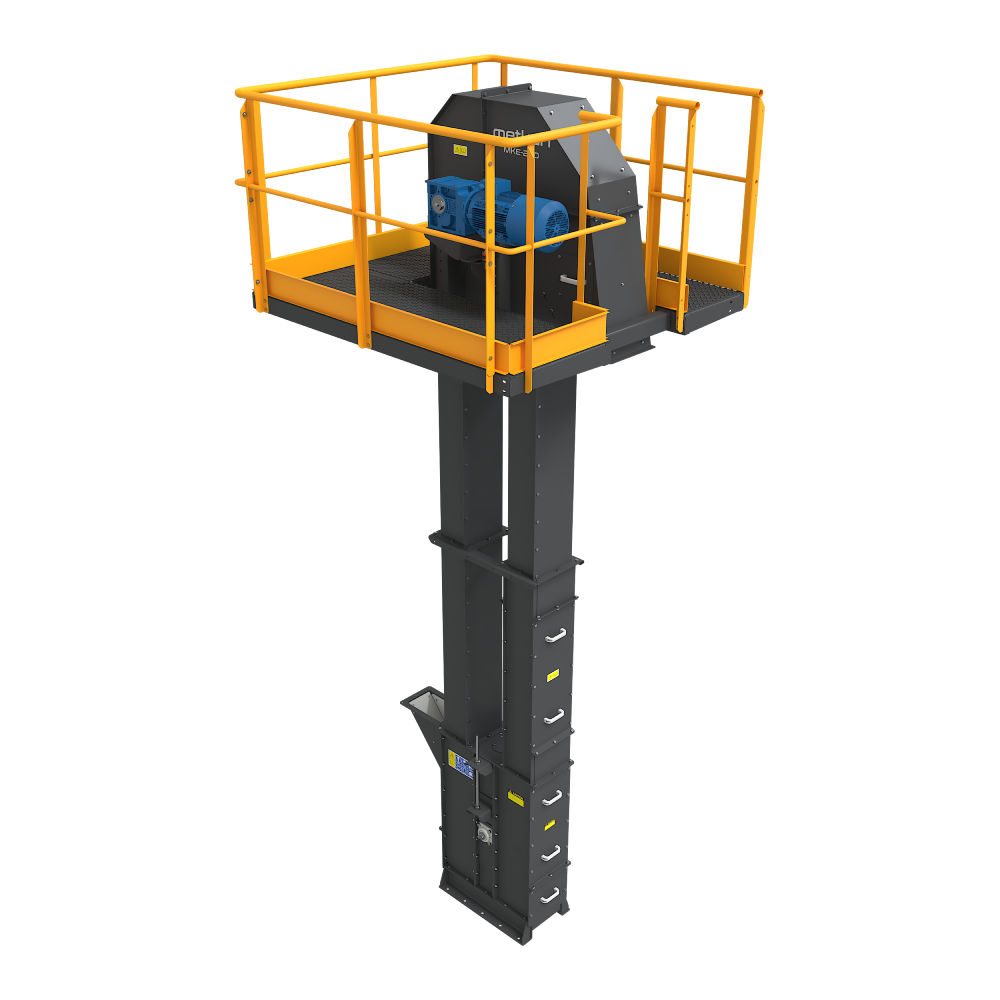
This becomes Circular vibrating screen continuous and high-volume flow is essential. Material from the crusher must reach the screen in a controlled manner. Subsequently, the separated product fractions must be transferred systematically to stockpiles or shipping lines. Within this flow, the conveying system does not merely provide a connection; it also maintains the pace of the line. In successful plants, these three areas do not burden one another; instead, they balance each other out. An efficient plant design is precisely what establishes this harmony.
What factors require attention during the installation and commissioning process?
The installation process transforms the project's theoretical plan into reality on-site. At this stage, base alignment, equipment anchoring, connection points, and power supplies must be carefully checked. Crusher The transition distances between [components] and the screen must be set correctly. Conveyor angles and load distribution must suit site conditions. Furthermore, maintenance access must be preserved during installation; restricting maintenance space to simplify installation creates problems in the long run.
The commissioning process begins where installation ends. An unloaded test is conducted during the initial start-up. Subsequently, trial runs under load begin. At this stage, vibration, product flow, belt speed, screen efficiency and capacity balance are monitored concurrently. Settings are revised if necessary. This phase should not be rushed, as the plant's true operational character becomes clear during commissioning. Proper commissioning prevents many future malfunctions and performance losses right from the start.
Why should automation, safety, and maintenance planning be considered from the outset?
A crushing and screening plant is not managed solely by mechanical systems. The automation aspect directly influences the production rhythm and safety levels. Motor sequencing, Emergency stop logic, Overload monitoring and Sensor monitoring ...which is why it is important. Operators want to manage the entire facility with greater control. This goal is more easily achieved when there is strong automation support. Metkan MakineThe fact that [Company Name] specifically highlights software and automation within its service framework confirms the importance of this need.
Maintenance plan ...is not a detail to be considered as an afterthought during installation. On the contrary, it must be addressed during the project phase itself. Questions such as how long it will take for an operator to reach a specific point, how frequently a part will be inspected, and how downtime can be minimized must be answered from the start. Regarding safety, walkways, platforms, guards, and access points must be clearly defined. No matter how robust the installation is, a facility that loses sight of safety and maintenance discipline will suffer a loss in efficiency over the long term.
What approach does Metkan Makine offer during this process?
Metkan MakineOn its homepage, [Company Name] defines itself Construction chemicals, mining and aggregate as a brand offering high-quality machinery for the [Industry Name] sectors and turnkey plant solutions. It also states that it provides seamless, professional support throughout every stage, from planning to commissioning. This statement demonstrates that the brand does not view the installation process merely as product delivery, but rather manages the project workflow from end to end.
This same approach is evident in the product architecture as well. Hammer crusher and Circular vibrating screen In addition to core process equipment, conveying systems are also provided as part of the same integrated package. This Metkan Makine’s turnkey crushing and screening plant demonstrates an approach that focuses on the system as a whole rather than just individual machines. From a corporate perspective, this approach is crucial, as an enterprise requires a fully functional and balanced facility, not merely a collection of machines. Metkan MakineThe framework offered by... addresses precisely this need.
Frequently Asked Questions
What does a turnkey crushing and screening plant entail?
Turnkey crushing and screening plantIt involves managing planning, equipment selection, site layout, installation, commissioning, and the initial operational phase within a single project workflow. The enterprise does not simply purchase machinery; instead, it establishes a fully operational system ready for production.
What is the first step in setting up a crushing and screening plant?
The first step is a needs analysis. The enterprise first clarifies the material type, target capacity, and desired product fractions. Once this information is established, the layout planning and equipment selection processes can proceed more effectively.
Which pieces of equipment work together in a crushing and screening plant?
In the general workflow, crushers, screens, and conveying systems operate in tandem. The crusher reduces the material size, the screen classifies the product, and conveyors transport the flow along the line. When this three-part structure is correctly configured, the plant operates with greater stability.
Why is capacity planning so important?
Because an investment in low capacity quickly becomes inadequate, while excessive capacity creates unnecessary costs. Proper planning establishes a balance between equipment and enhances the facility's actual on-site efficiency.
What is the most critical issue during the commissioning phase?
The most critical issue is system harmony. Vibration, product flow, classification quality, and the conveying rhythm must all be monitored in unison. If initial tests are conducted correctly, the facility operates more stably.
Why is automation important in a crushing and screening plant?
Automation manages motor sequencing, safety logic, and the overall production rhythm. It also enables the operator to monitor the system with greater control. Consequently, in modern facilities, automation has become just as important as mechanical installation.
Why should the maintenance plan be considered at the start of the project?
Because facilities installed with poor maintenance access lead to prolonged downtime. Conversely, if proper platforms, walkways, and access layouts are established at the project's outset, the operator can reduce maintenance time and lower the risk of unplanned shutdowns.
What is the greatest advantage of a turnkey installation?
The greatest advantage is system integrity. Equipment should not be evaluated in isolation but rather within a unified flow. This allows the operator to more quickly achieve a fully commissioned facility structure where all components work in harmony.
Metkan Makine with turnkey crushing and screening plant By planning the installation process according to capacity, product targets, and site layout, you can create a production line that is more controlled, efficient, and sustainable. Contact us to define the technical setup best suited to your project. Contact us.