MULTI-DECK SCREENING
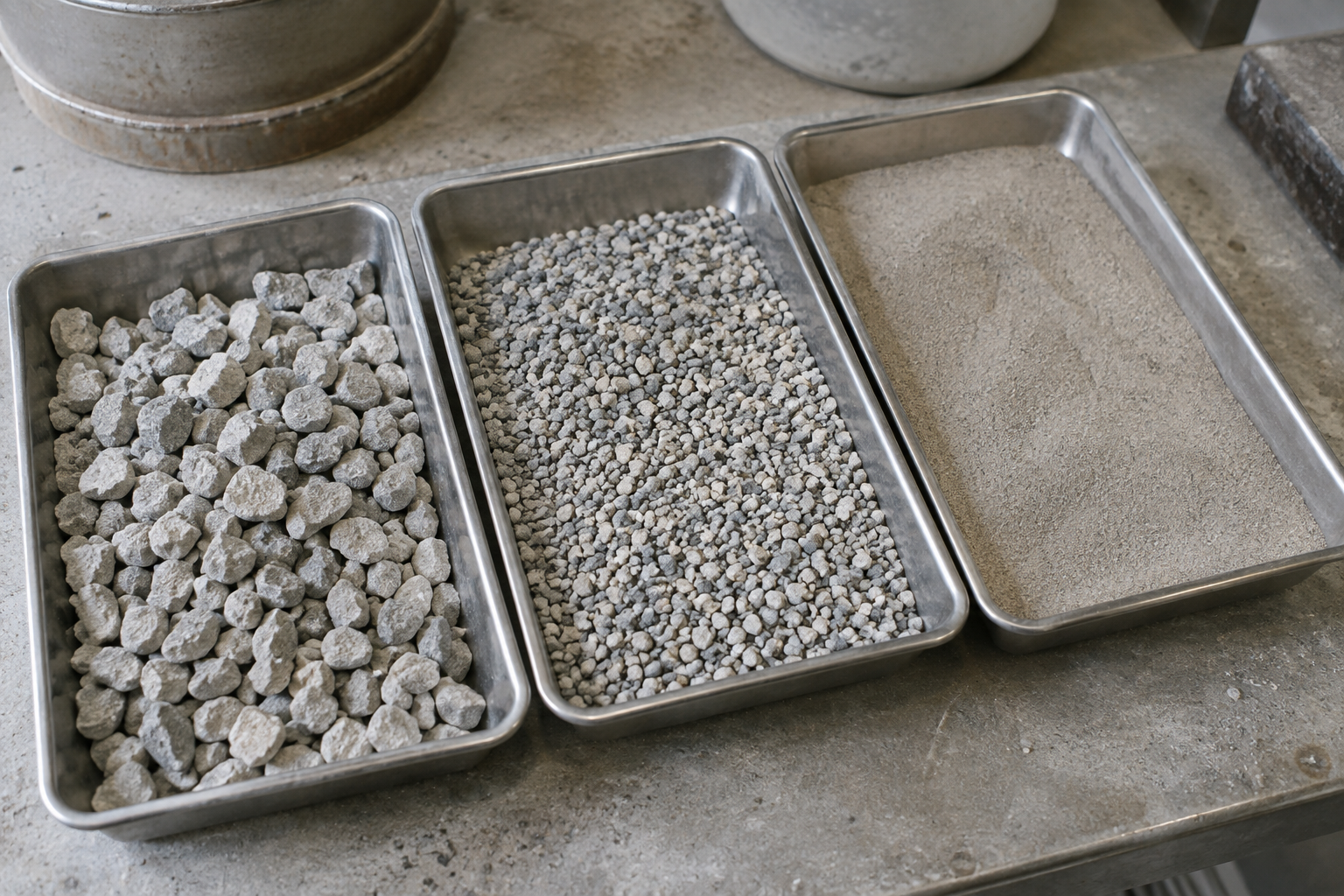
Different size fractions in one machine
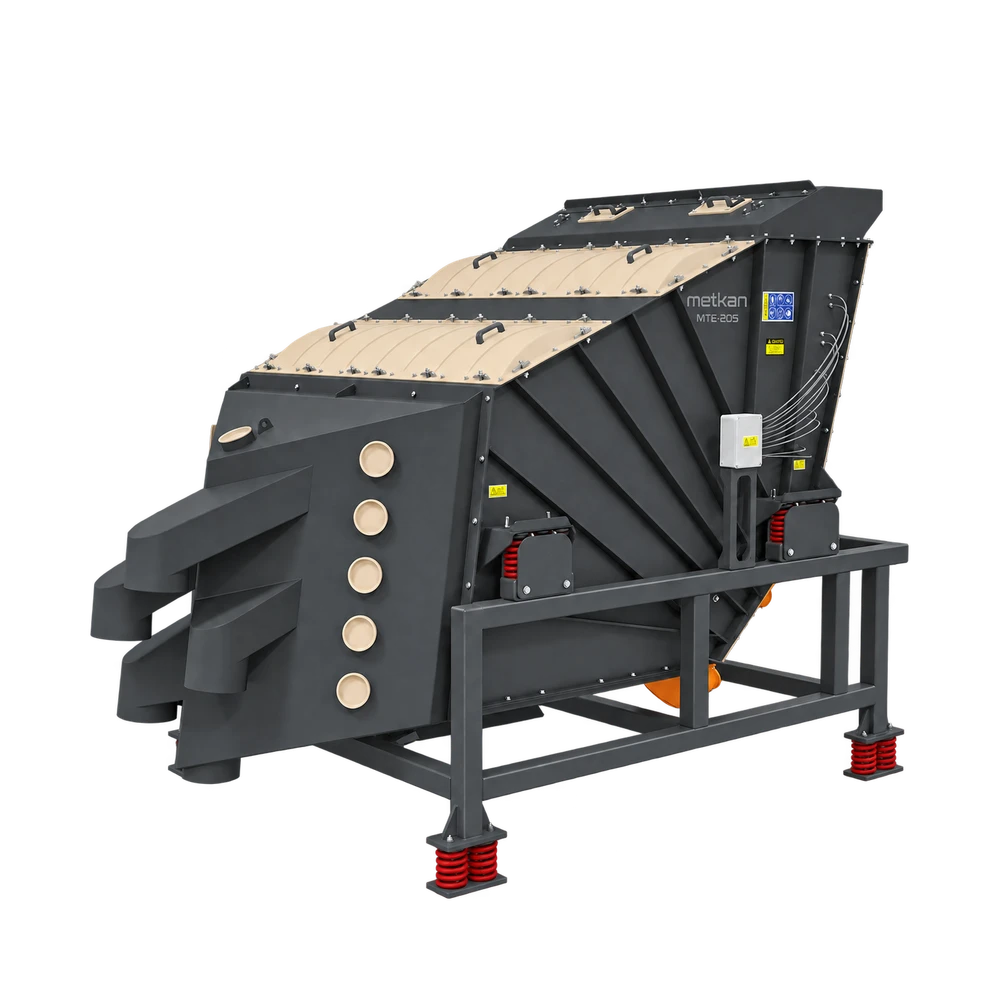
Each size is available with 1, 2, 3, 4 or 5 decks. Screen apertures and outlets are planned together for the required product fractions.
 MACHINERY AND PLANT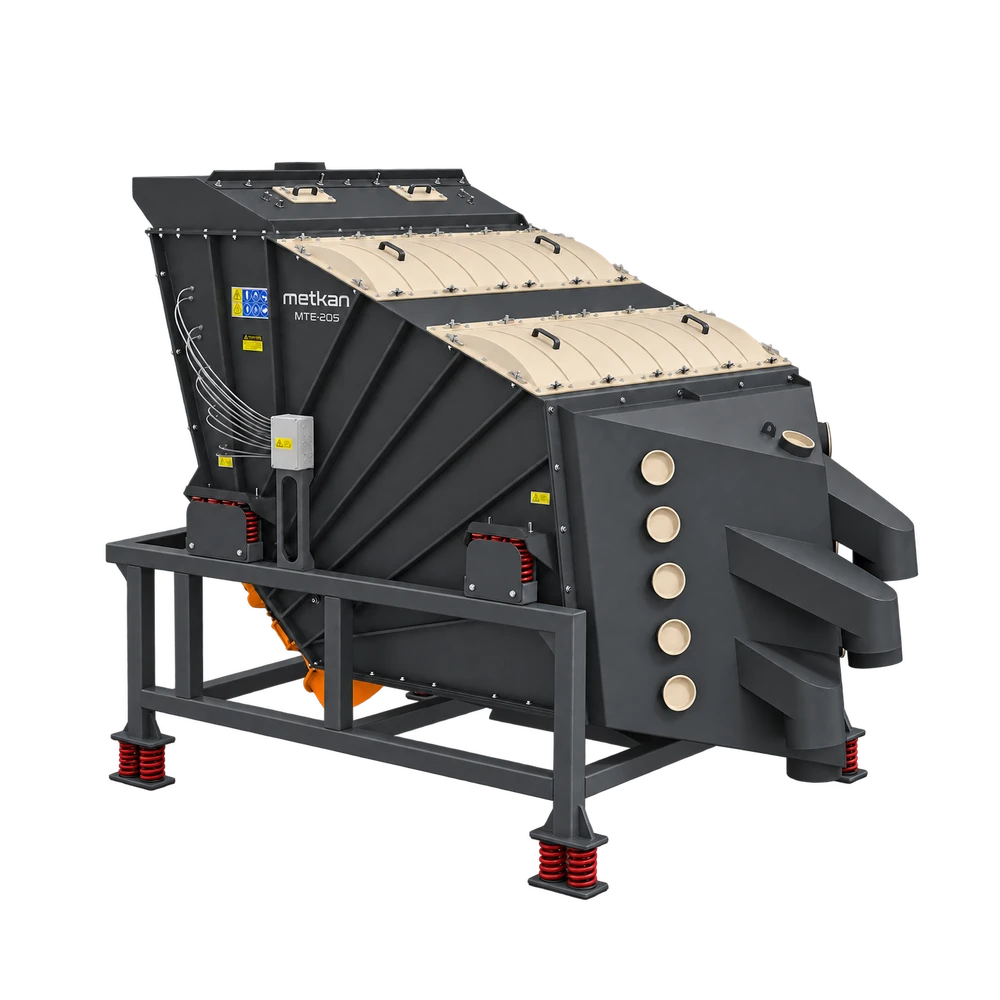
Multi-deck vibrating screening for fine material applications. Five sizes, each available with 1–5 decks, to suit your material.
Explore up closeMETKAN / Multi-deck screening
Each size is available with 1, 2, 3, 4 or 5 decks. Screen apertures and outlets are planned together for the required product fractions.
MULTI-DECK SCREENING
Each size is available with 1, 2, 3, 4 or 5 decks. Screen apertures and outlets are planned together for the required product fractions.
VIBRATORY DRIVE
Vibratory motion moves the material across the screen surfaces. Feed distribution, drive settings and support structure are assessed for the process conditions.
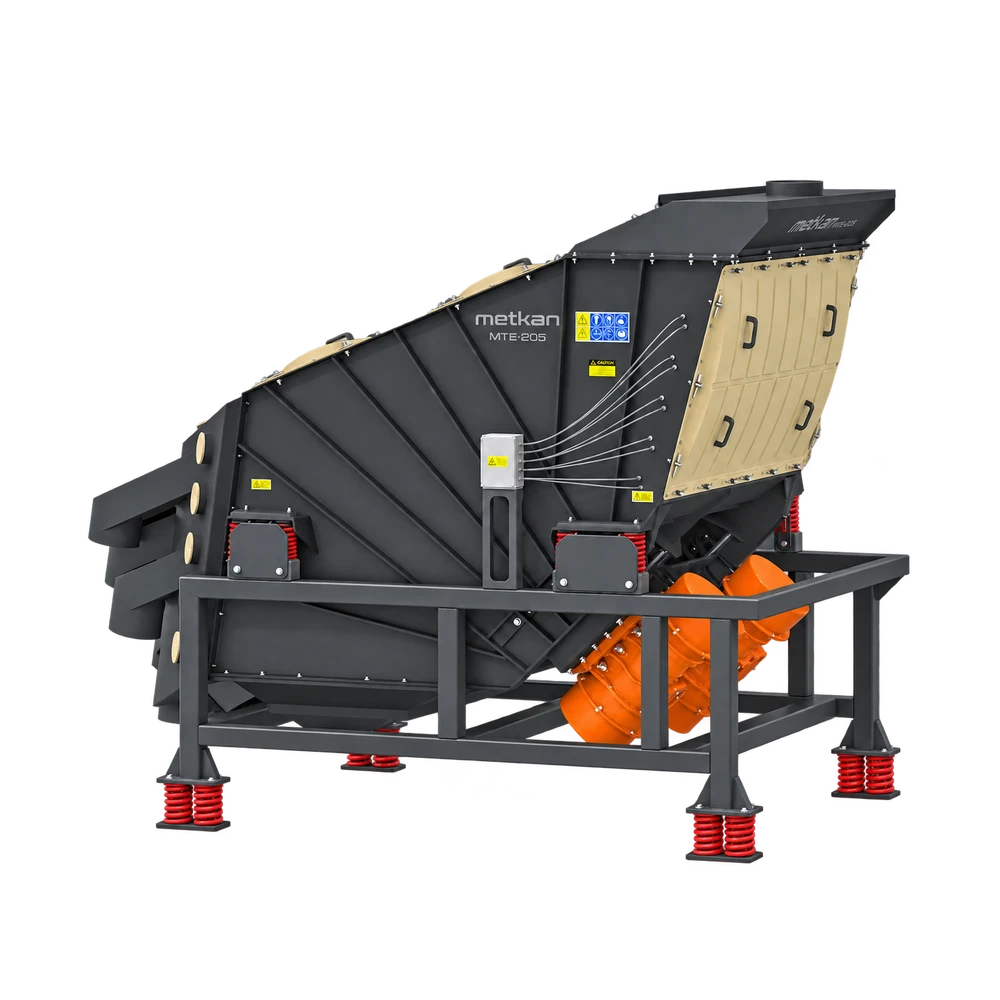
Consider capacity, structure, and dimensions together.
Your material determines the right choice.
| Technical specification | 1000 × 2400 | 1500 × 2400 | 2000 × 2400 | 2000 × 3600 | 3000 × 3600 |
|---|---|---|---|---|---|
| Widthmm | 1000 | 1500 | 2000 | 2000 | 3000 |
| Lengthmm | 2400 | 2400 | 2400 | 3600 | 3600 |
| Deck options | 1 / 2 / 3 / 4 / 5 | 1 / 2 / 3 / 4 / 5 | 1 / 2 / 3 / 4 / 5 | 1 / 2 / 3 / 4 / 5 | 1 / 2 / 3 / 4 / 5 |
| Total motor power | 4.4 - 7.8 kW | 4.4 - 8 kW | 8.5 - 15 kW | 16.8 - 20 kW | 22 - 31 kW |
| Machine weightkg | 2 200 - 3 100 | 2 400 - 3 900 | 4 200 - 6 000 | 6 500 - 9 000 | 10 000 - 14 000 |
| Selection for your project | Request a quote ↗ | Request a quote ↗ | Request a quote ↗ | Request a quote ↗ | Request a quote ↗ |
Technical values should be considered alongside material specifications and operating conditions.
Dimensions are shown as width × length. Each size can be independently configured with 1, 2, 3, 4 or 5 decks.
Power ranges are the combined catalogue input power of both motors; calculations use 50 Hz, the 1000 rpm class and a total stroke of 5 mm (±2.5 mm amplitude).
Machine weight includes the motors and support frame, excluding the material load. Values vary with the number of decks and equipment. Final weight is established during project engineering.
The calculation adds a material load of 10% to the vibrating mass. Final power, eccentric setting and stroke are verified using the final mass, spring calculations and measurements under load.
Material, capacity, and line layout. Selecting the right machine begins with understanding the entire production process.
Let's assess your needsClassification into target size fractions after crushing and grinding.
Preparation of sand fractions for the recipe and separation of fines.
Separation of the finished fraction and return of oversize material to crushing or grinding.
SELECTION AND MAINTENANCE
The Metkan MTE vibrating screen is designed to classify dry fine-grained and granular materials. This fine screening range is selected according to the target fractions in mineral applications such as calcite and quartz sand.
Classification into target size fractions after crushing and grinding.
Preparation of sand fractions for the recipe and separation of fines.
Separation of the finished fraction and return of oversize material to crushing or grinding.
THE NEXT STEP
Tell us about your material and target capacity.
Let's choose the right machine for your process together.
The Metkan MTE vibrating screen is designed to classify dry fine-grained and granular materials. This fine screening range is selected according to the target fractions in mineral applications such as calcite and quartz sand.
RELATED ARTICLES
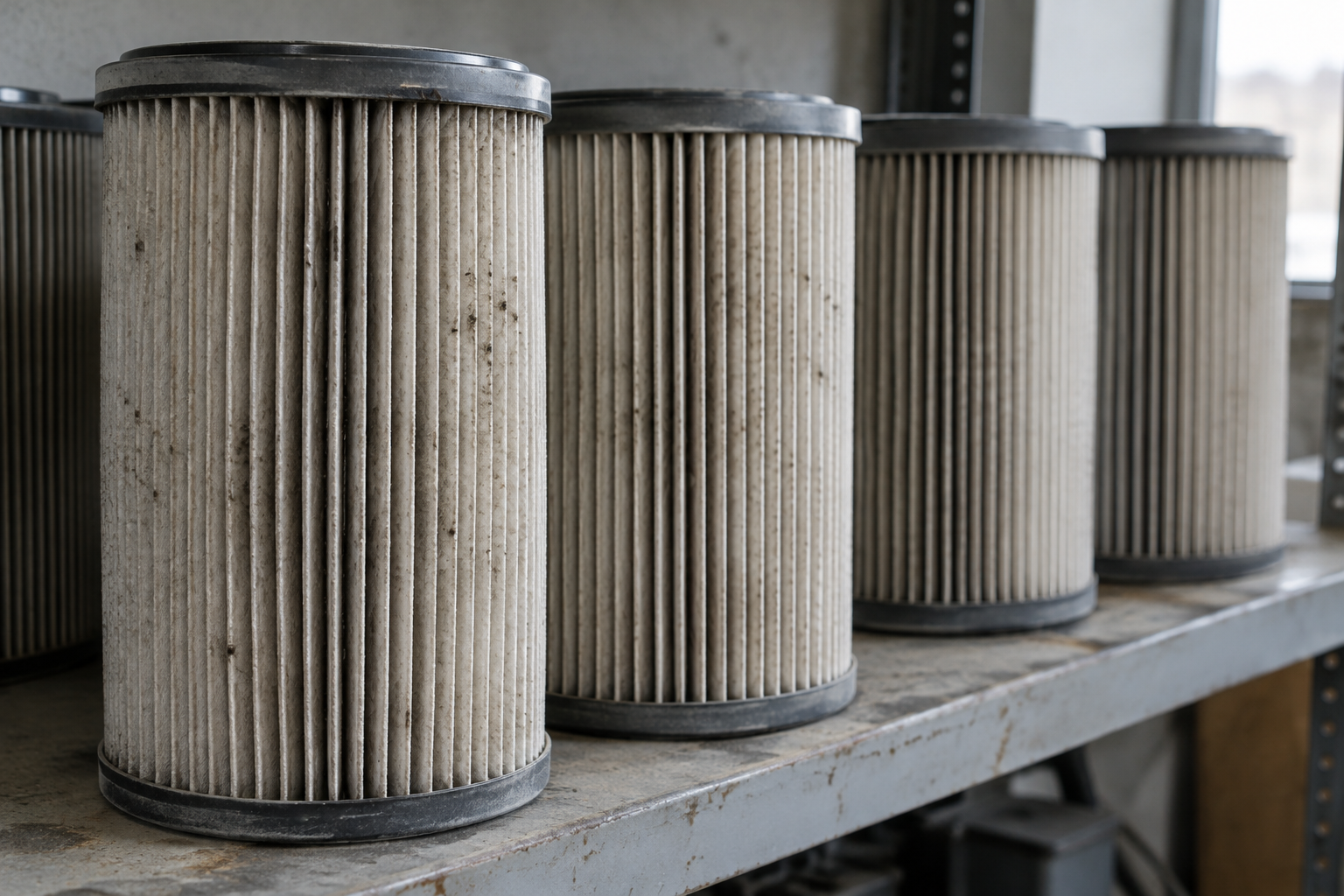
The production of micronized products requires robust dust management due to the very fine particle sizes involved. Stages such as grinding, crushing, screening, conveying, silo storage, and packaging can release fine particles into the air. Failure to control these particles reduces visibility in the production area. Furthermore, it compromises worker comfort, leads to the fouling of equipment surfaces, and increases product loss. Heavy dust accumulation also makes it difficult for maintenance teams to detect malfunctions early. Therefore, facilities should not view dust control merely as a cleaning task. Effective dust management encompasses a combination of process design, filtration, enclosed conveying, proper air balance, and a disciplined maintenance routine.
Read the technical articleA micronized crushing and screening plant refers to a specialized production line designed to yield fine-grained, controlled products. Unlike standard crushing and screening systems, these plants target more precise product sizes. Consequently, the line configuration is not shaped solely by crushing capacity; factors such as product fineness, classification precision, dust management, and process balance are equally important. This approach directly determines quality, particularly in sectors like construction chemicals, mineral processing, and fine filler material production. This is because if the particle size distribution of the final product is compromised, both the formulation balance and application performance suffer.
Read the technical articleIn crushing and screening plants, production continuity directly determines overall facility efficiency. An unplanned stoppage does not merely halt the operation of a single machine; it impacts the entire chain of feeding, crushing, screening, and conveying processes. Consequently, businesses face production losses that far exceed the duration of the downtime itself. Moreover, frequent breakdowns drive up maintenance costs. However, a proper maintenance plan significantly mitigates these risks. Additionally, automation systems continuously monitor equipment behavior, allowing the technical team to intervene before a failure escalates. At Metkan, we do not view crushing and screening plants merely as collections of machinery. Instead, we treat the entire production line as a single process, because high plant efficiency requires the right equipment, regular maintenance, and a robust automation infrastructure to work in unison. When businesses effectively manage these three areas, they reduce unplanned downtime and strengthen production continuity.
Read the technical article