Recipes and processes
Production setup tailored to product variety, batch size, and changeover frequency.
 MACHINERY AND PLANT
We design dosing, mixing, and end-of-line operations together to ensure product quality and production continuity.
Discover our approach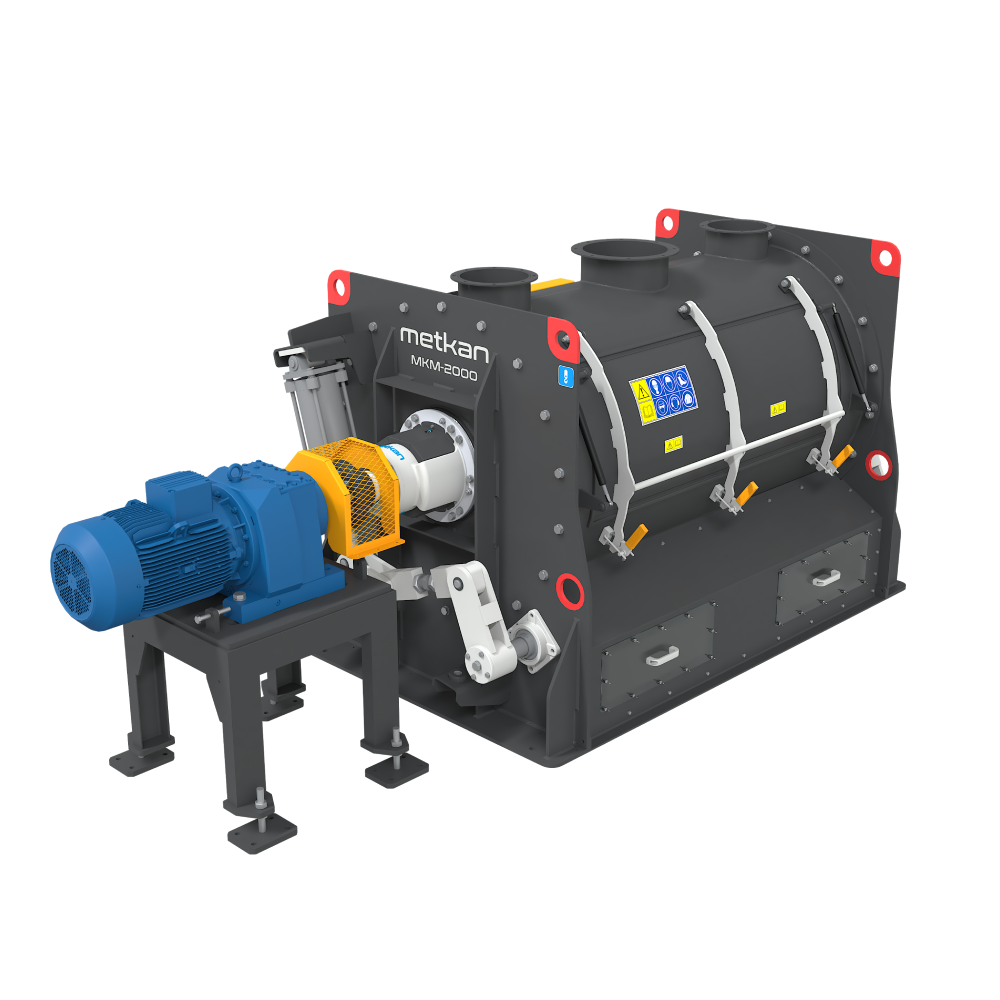
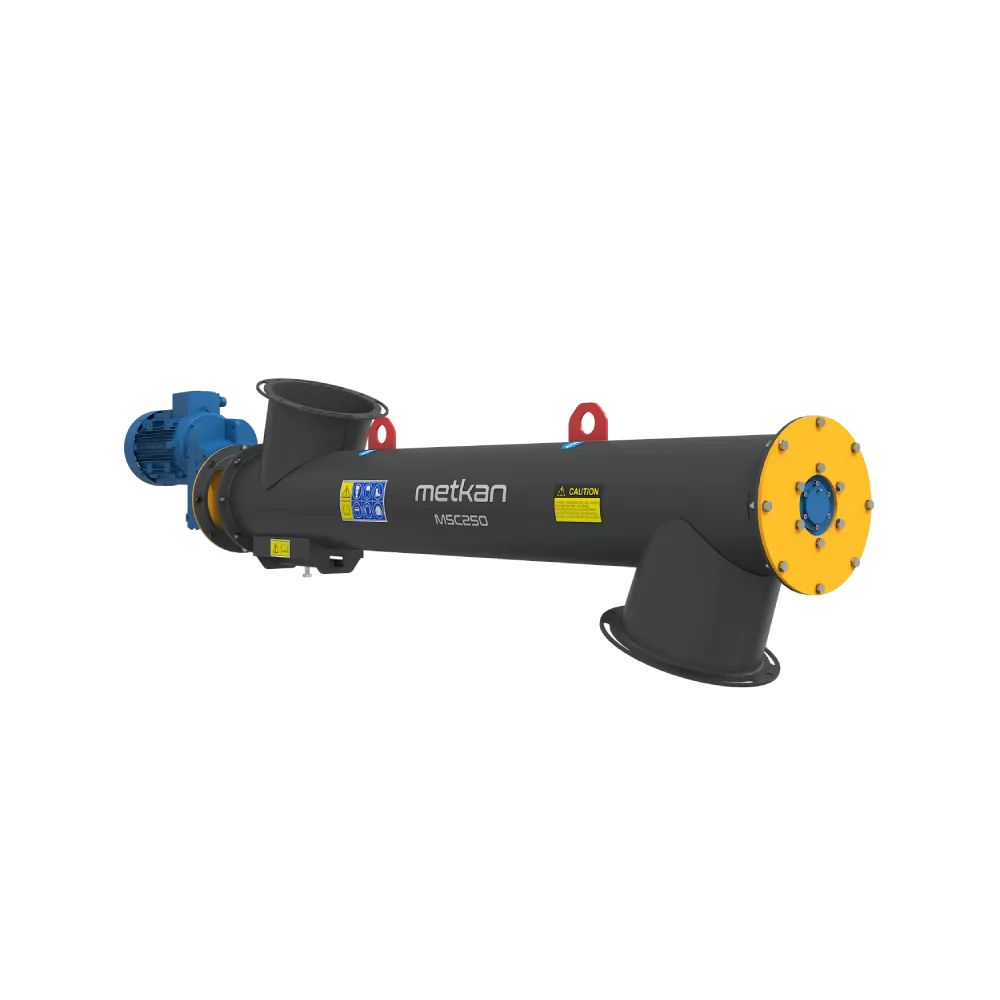
Success in dry mix production comes from accurate dosing, homogeneous mixing, and repeatable recipes. Metkan designs the entire system—from raw material feeding to the end of the line—with a focus on quality standards, dust management, and production continuity. The goal is to produce the same product with consistent quality every time and to minimize downtime.
Examine the input, function, and impact on the next step for each stage.
We evaluate raw material properties and the transition from stock to production, planning feeding and conveying steps in conjunction with the facility layout.
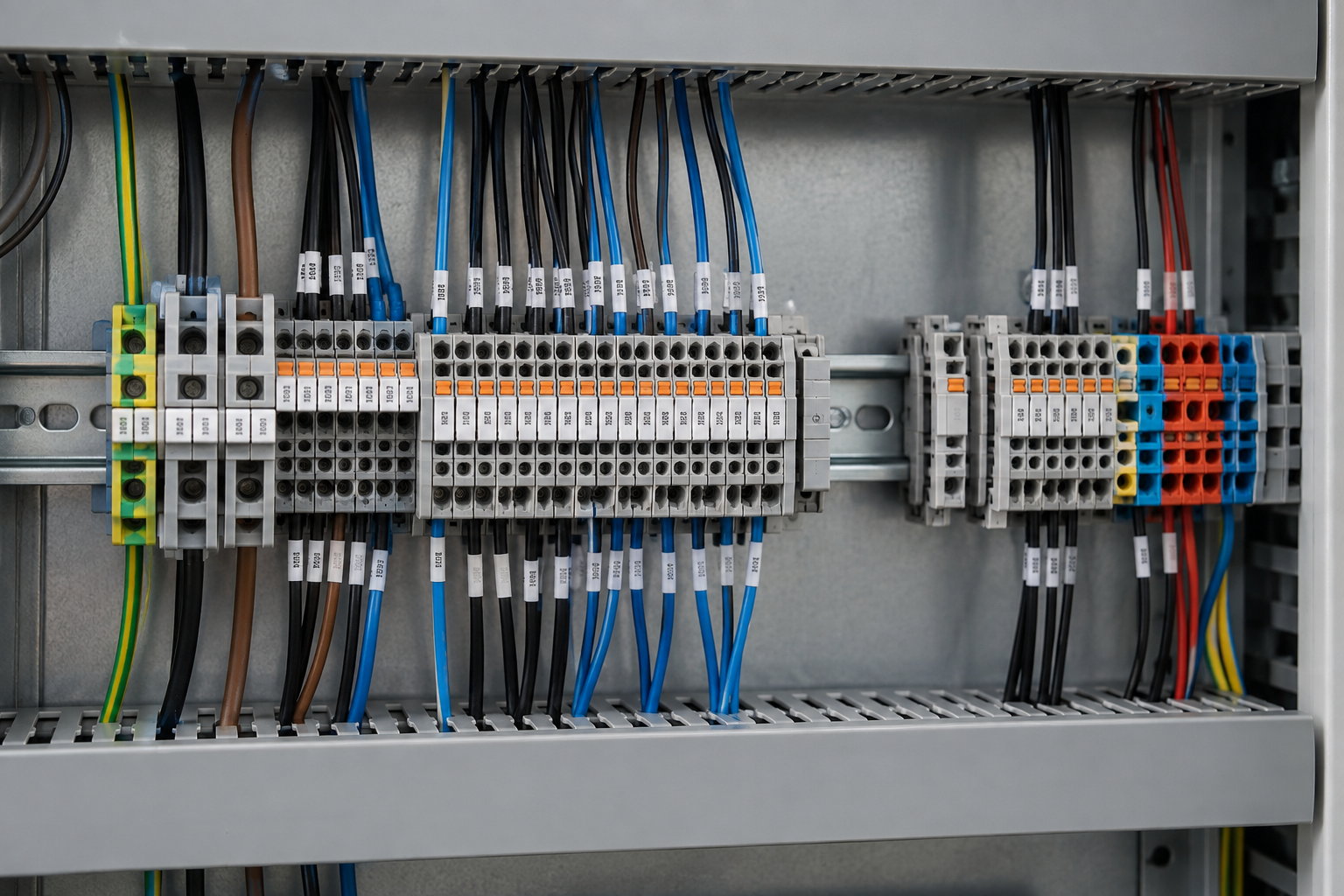
We configure the weighing and dosing system according to the recipe. Assembly, calibration, and mechanical factors are considered as integral parts of the process.
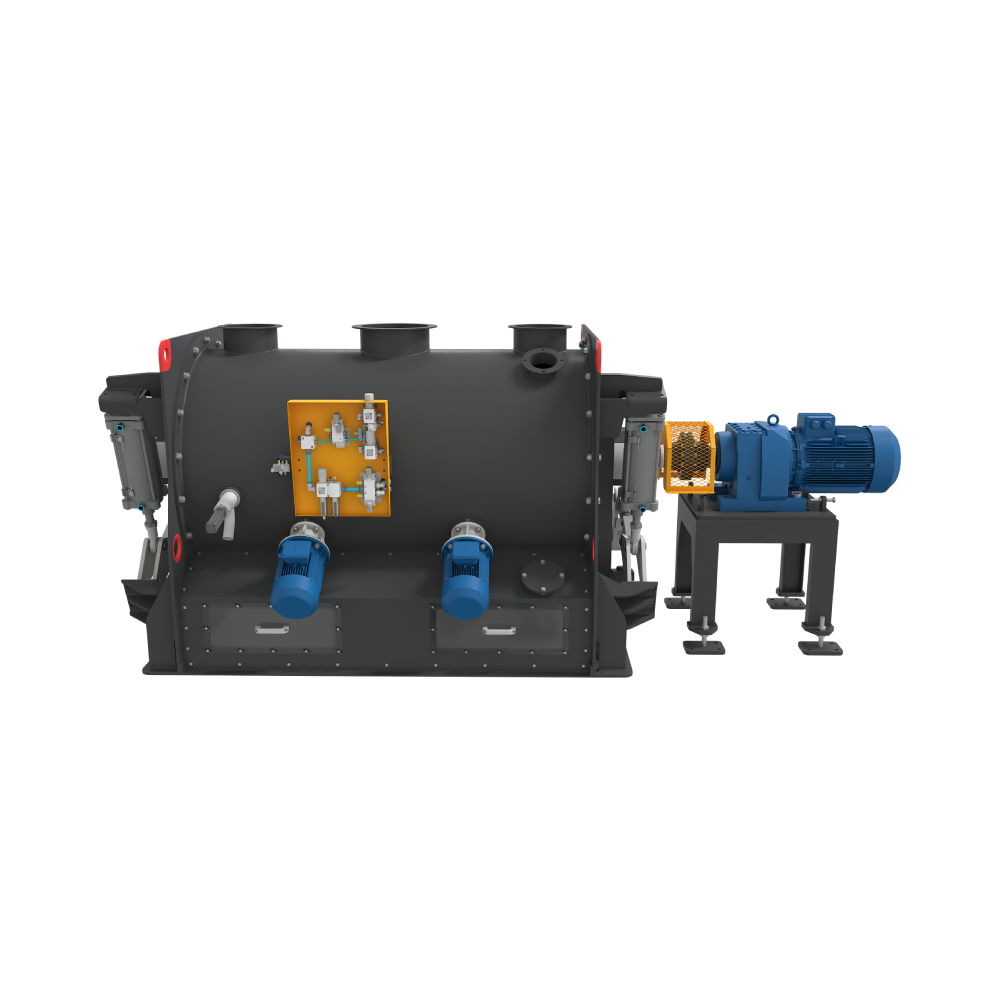
We evaluate mixer volume, fill level, mixing time, and product changeover frequency together. We incorporate access for discharge and cleaning into the design.
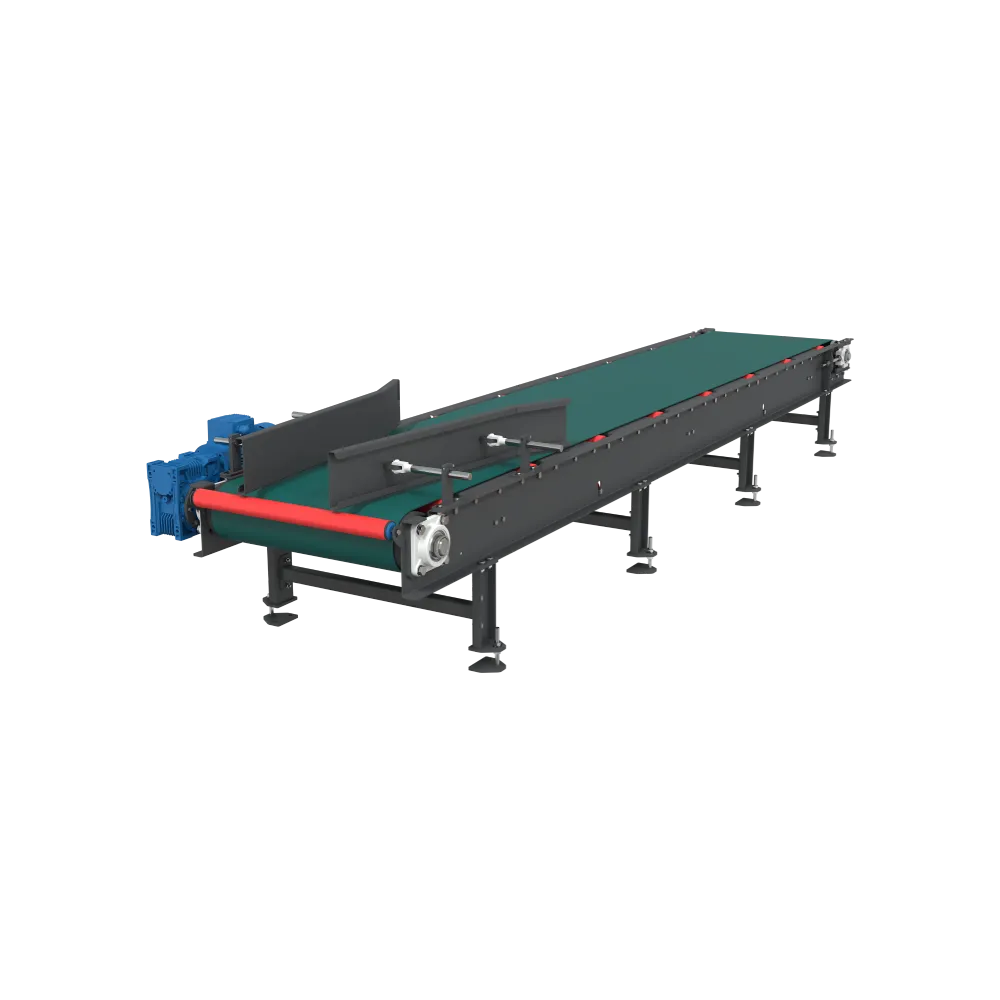
We address packaging, bag flow, and the separation of non-conforming packages in conjunction with subsequent conveying and palletizing steps.
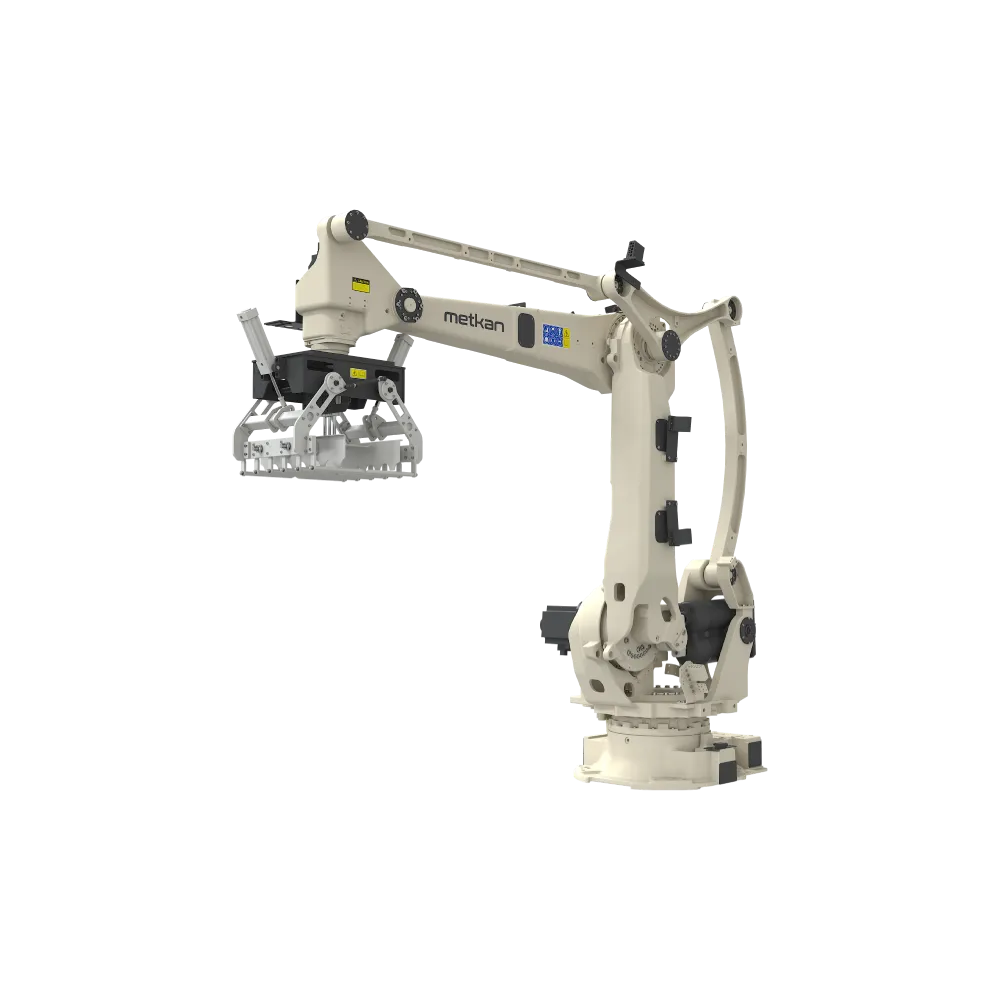
We design end-of-line solutions that take into account bag characteristics, pallet patterns, and robot operating layouts.
Dry mix plants, new production lines, and capacity expansions.
Production lines for C1/C2 ceramic adhesives, tile grout, interior/exterior plaster, repair mortars, self-leveling screed, waterproofing, and thermal insulation adhesives/plasters; new plant installations and capacity expansions.
Production setup tailored to product variety, batch size, and changeover frequency.
Integrated selection of weighing, raw material transfer, mixing, and discharge steps.
Coordination of bag conveying, straightening, weighing, sorting, and robotic palletizing steps.
Dust management, cleaning access, and assessment of cross-recipe residue.
Product family, recipe variety, and raw material characteristics.
Batch size, target capacity, and product changeover frequency.
Bag type, weight, pallet pattern, and shipping layout.
A dry mortar plant can be configured for tile adhesive, dry render, grout, repair mortar, self-levelling screed and insulation mortars. Raw material feeding, weighing, additive dosing, mixing, bagging and palletizing must operate as a coordinated line. Formulations and target output define the scope.
RELATED ARTICLES
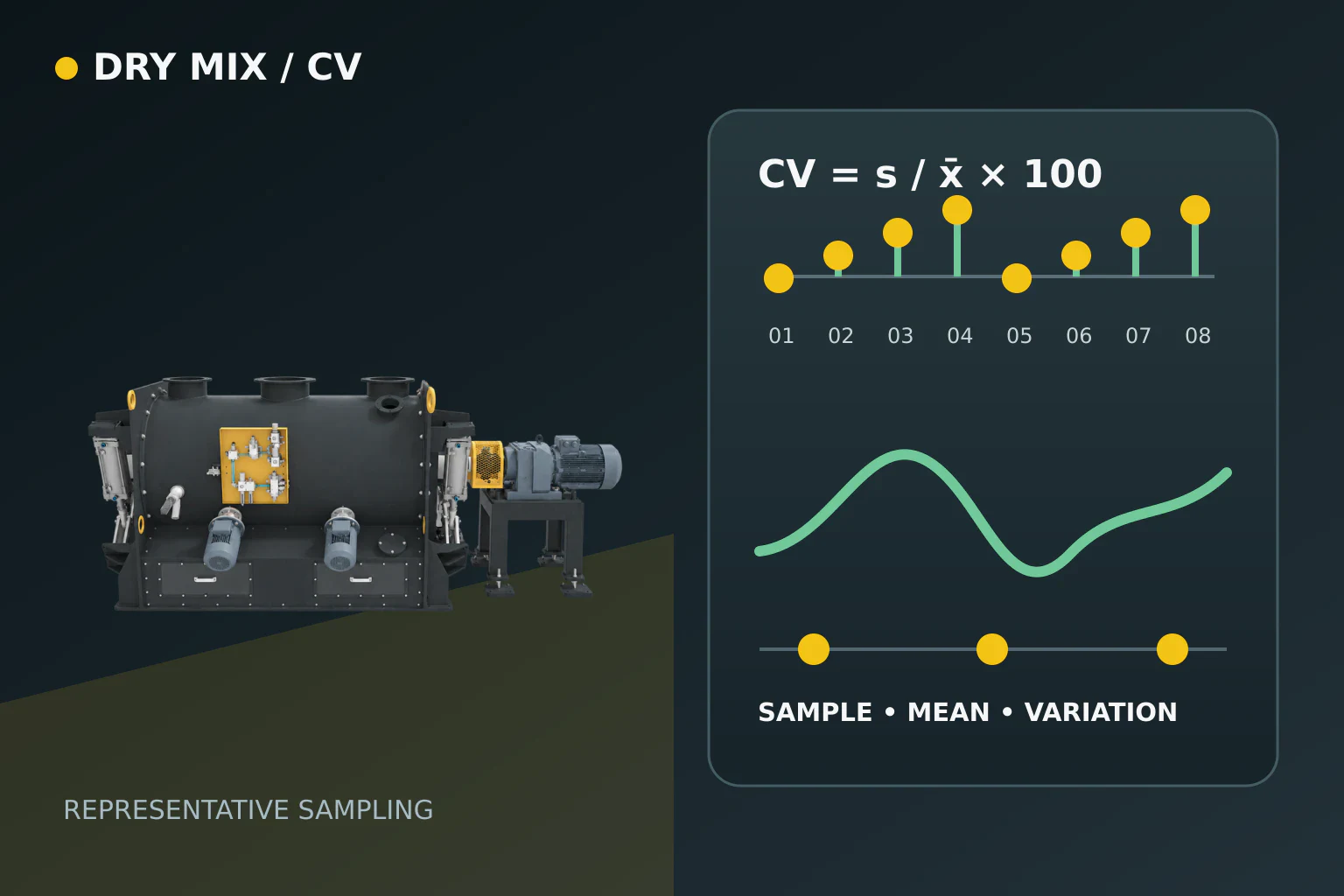
A dry blend that looks uniform does not prove that every bag has the same composition. Homogeneity verification requires a measurable marker, a representative sampling plan and one consistent analytical method. The coefficient of variation (CV) expresses the spread among samples relative to their mean. The number alone is not mixer performance, because sampling and laboratory error also affect it.
Read the technical articleA dry-mortar sample taken at the mixer may be satisfactory while the first and last bags differ in composition. Increasing mixing time at this point is an intervention made before locating the problem. Dry-blend segregation, meaning the separation of previously mixed components, can develop during downstream handling. This guide offers a diagnostic approach from mixer discharge to bagging to identify where the blend changes.
Read the technical articleIn a dry-mix plant, the actual amount of an ingredient in the mixer can differ even when the recipe display looks correct. A weigh hopper may appear to have reached its target while mechanical stress, vibration, suspended material or product that continues to flow from the feeder changes the result. A sound check considers the target, net weight, discharge and batch repeatability together, not only the kilograms on the screen. This allows mechanical and process causes to be tested separately before the problem is attributed to calibration.
Read the technical articleThe capacity of a construction chemicals plant directly influences many critical decisions, ranging from investment planning to production costs. This is because the plant's hourly and daily production output is calculated based on a combination of factors: mixer volume, feeding system, raw material flow, weighing precision, filling time, bagging speed, operator scheduling, and automation level. Therefore, simply asking "how many tons does it produce?" ...question does not yield an accurate result. The enterprise must evaluate the product recipe, shift duration, production variety, and in-line waiting times collectively. Metkan Makine approaches capacity calculation for construction chemicals production lines based on the entire process flow, rather than solely on machine power.
Read the technical articleRecipe changeovers and cleaning in a dry mix plant should be planned by considering product quality, production continuity and the risk of cross-contamination together. The best approach is to sequence recipes according to ingredient similarity and cleaning requirements, control material remaining in the line during changeover, and establish a practical cleaning plan for each product group.
Read the technical articleConstructing a construction chemicals plant requires not just the installation of the production line, but the proper structuring of the entire process. This is because raw material flow, mixing homogeneity, conveying arrangements, and bagging performance all contribute to the same quality standard in construction chemicals production. If feeding systems do not advance raw materials at the right pace, the mixer cannot achieve the desired efficiency. If the mixer fails to create a homogeneous mixture, product consistency suffers. If the bagging and palletizing line is not synchronized with the process, shipment quality declines. For this reason, the construction of a facility requires far more extensive technical planning than the mere installation of individual machines.
Read the technical article