Recipe changeovers and cleaning in a dry mix plant should be planned by considering product quality, production continuity and the risk of cross-contamination together. The best approach is to sequence recipes according to ingredient similarity and cleaning requirements, control material remaining in the line during changeover, and establish a practical cleaning plan for each product group.
Why should recipe changeovers be planned?
Dry mix plants may use the same mixer, hopper, screw conveyor, elevator, filter or filling line for different products. When a recipe changes, particles left from the previous product may enter the new mixture. This can cause quality problems, particularly in products sensitive to colour, particle size distribution, chemical additives, setting behaviour or performance.
Unplanned changeovers do more than increase cleaning time. Producing in the wrong order can lead to reprocessing, product segregation, line stoppages and material losses. Dry mix recipe changeover should therefore be considered alongside recipe and line design, rather than added to the production schedule as an afterthought.
Which criteria determine recipe sequencing?
Order priority alone is not enough to determine production sequence. The following criteria should be assessed together:
- Differences in product colour and appearance
- Tendency to generate dust and adhere to surfaces
- Sensitivity of additives
- Proportion of fine and coarse components
- Moisture absorption or caking behaviour
- Critical components that may carry over into the next product
- Downtime and access time required for cleaning
Generally, running similar recipes consecutively and using planned cleaning between products with different properties provides better control. However, the ideal sequence must be determined according to each plant's material properties, equipment layout and quality criteria.
Which equipment should the cleaning plan cover?
Cleaning should not be limited to emptying the mixer. All points that contact the product or may allow material to accumulate should be assessed.
Mixer and feeding equipment
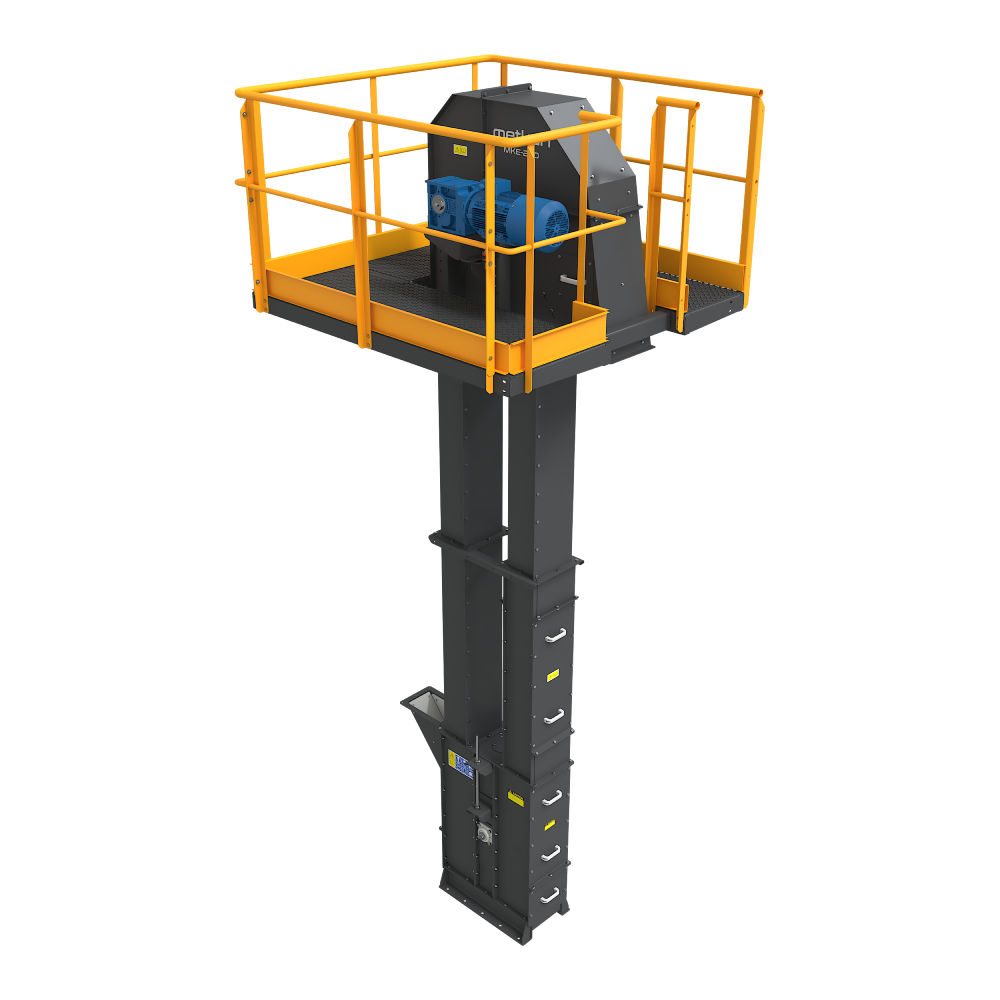
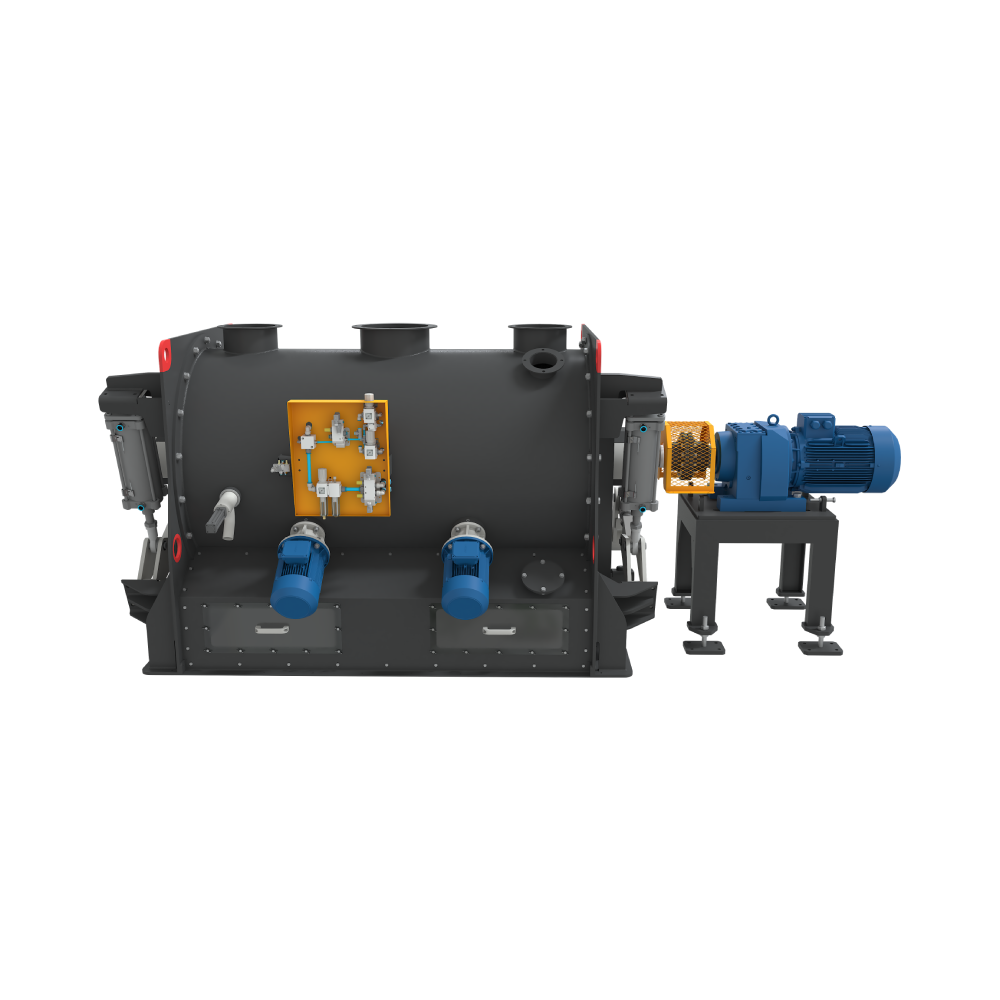
Material remaining on mixer paddles, internal vessel surfaces, discharge doors and connections may carry over into the next batch. Hopper outlets, screw conveyors, pneumatic conveying lines and elevator buckets should also be checked. Potential dead zones should be examined, particularly with low-flow or bridging-prone materials.
Filter, silo and filling line
Dust collection filters, filter housings and air ducts should also be included in the changeover plan. Fine dust accumulating at the filling spout, bag feeding area and product transfer points may re-enter the line after cleaning. Equipment accessibility and cleaning points should therefore be addressed at the design stage.
Which decisions should the changeover plan define?
The production plan should clearly define responsibilities and acceptance criteria for recipe changeovers. The following points should be considered when preparing the plant's own operating procedures:
- Check production and discharge status for the current recipe
- Identify material remaining in the line, hoppers and transfer equipment
- Assess the new recipe's sensitivity to the previous product
- Select the cleaning method according to the dust characteristics and equipment manufacturer's instructions
- Have responsible personnel inspect the cleaned points
- Define the quantity and intended use of the first changeover batch in the production procedure
- Assess samples, appearance and process records before resuming normal production
The cleaning method depends on dust characteristics, equipment design and the occupational safety assessment. This general planning list does not replace site-specific cleaning or safe working instructions; qualified personnel must define the implementation method. A fixed duration, quantity or cleaning frequency should not be specified without examining material analysis and site conditions.
How does automation support the changeover plan?
Automation can make recipe sequencing, material feeding steps, equipment status and batch records traceable. Displaying control steps to the operator during a recipe change can help reduce the risk of selecting the wrong silo or additive. Mixer discharge status, equipment operating information and cleaning approval can also be recorded in production records.
The scope of automation should reflect plant capacity, equipment configuration, product diversity and operating expectations. Compatibility between software workflows and the existing mechanical system is as important as recipe management.
Pre-implementation checklist
| Check item | Topic to assess |
|---|---|
| Recipe sequence | Similarity of ingredients, colour and process between products |
| Equipment | Dead zones, accumulation points and accessibility |
| Cleaning | Method, responsibilities, records and control steps |
| Quality | Assessment method for the first changeover batch |
| Automation | Recipe, alarm, approval and batch traceability |
Conclusion
Successful recipe changeovers in a dry mix plant depend on combining the right sequence, accessible equipment design, defined cleaning steps and traceable production records. To explore process requirements for construction chemicals and similar product groups, consider Metkan Makine's construction chemical solutions and review the plant's mechanical and automation scope on our services page. Share your recipe structure, material properties and existing equipment details to request a project-specific preliminary assessment from Metkan Makine.