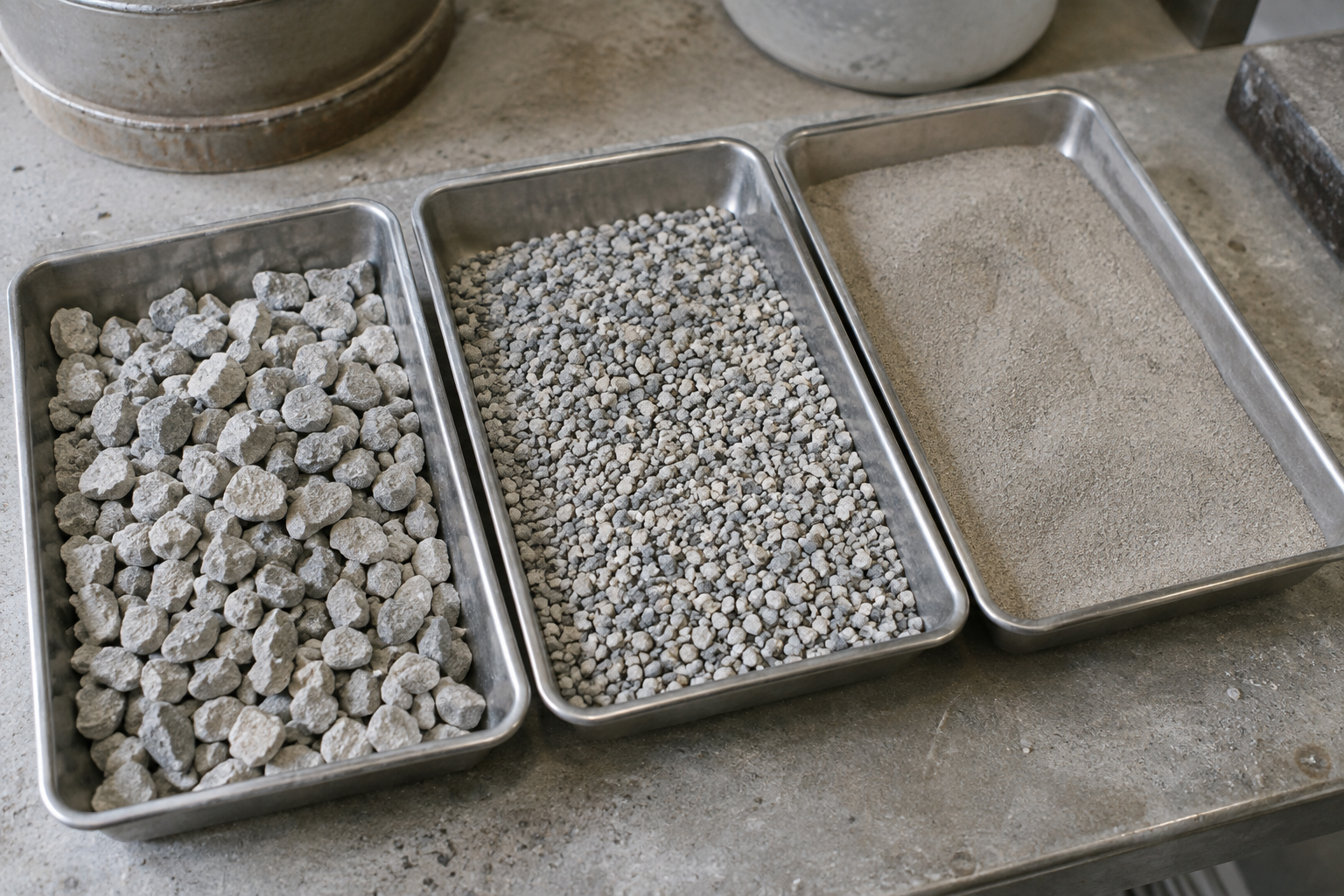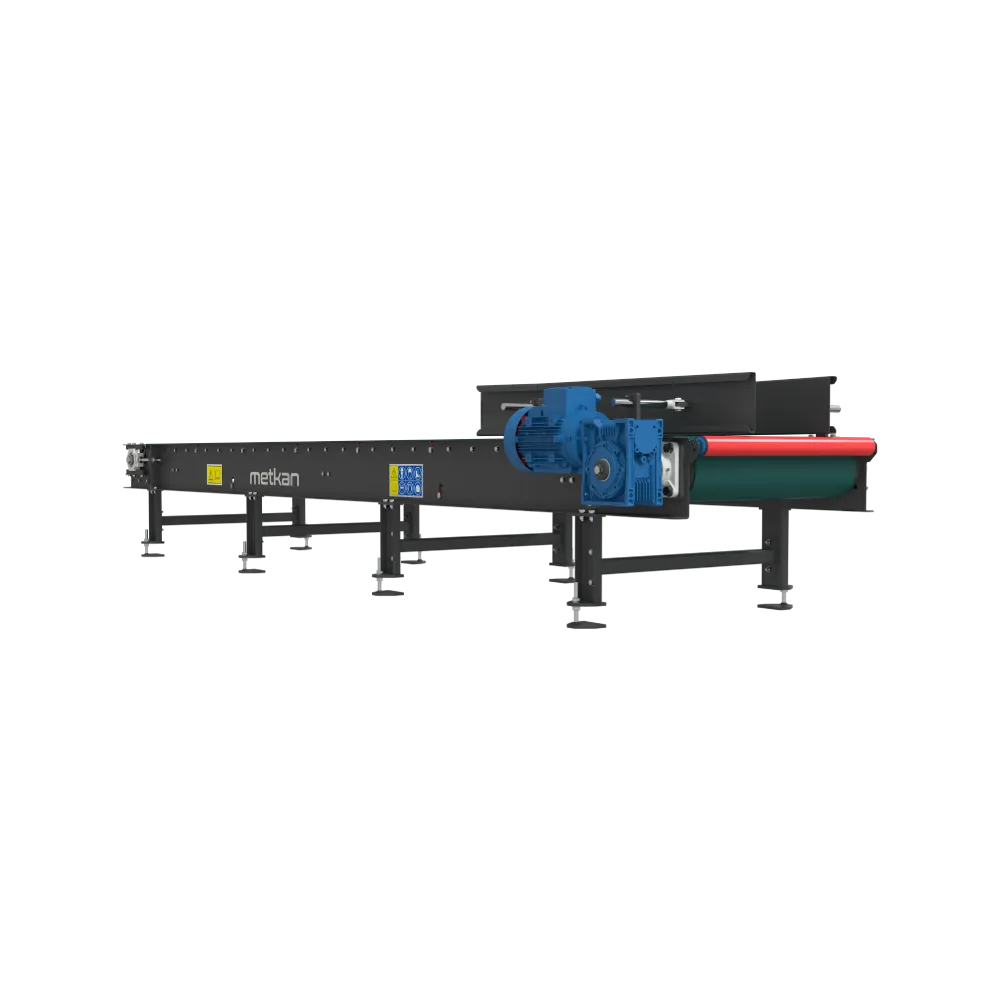
In a dry-mix plant, the actual amount of an ingredient in the mixer can differ even when the recipe display looks correct. A weigh hopper may appear to have reached its target while mechanical stress, vibration, suspended material or product that continues to flow from the feeder changes the result. A sound check considers the target, net weight, discharge and batch repeatability together, not only the kilograms on the screen. This allows mechanical and process causes to be tested separately before the problem is attributed to calibration.
Dosing accuracy is not a single display value
First separate three terms: target quantity is the mass required by the recipe; actual quantity is the reliably measured net mass; deviation is the difference between them. Relative deviation is calculated as (actual − target) / target × 100. The sign shows over- or under-dosing, while the absolute value shows the size of the error. The acceptance band must be defined for each ingredient according to the recipe, ingredient proportion, process risk and applicable quality requirements; there is no single universal percentage for every dry mix.
Resolution, accuracy and repeatability are not the same
Small display increments do not prove that the system weighs correctly. Resolution is the smallest visible change, accuracy is closeness to the true value, and repeatability is the ability to produce similar results under the same conditions. A high-capacity weigh hopper may suit major ingredients yet provide insufficient effective resolution for a very small additive. A separate micro-dosing scale, another feeder or a two-stage weighing arrangement may then be needed. Selection should be based not only on maximum capacity but also on the smallest recipe target and expected operating range.
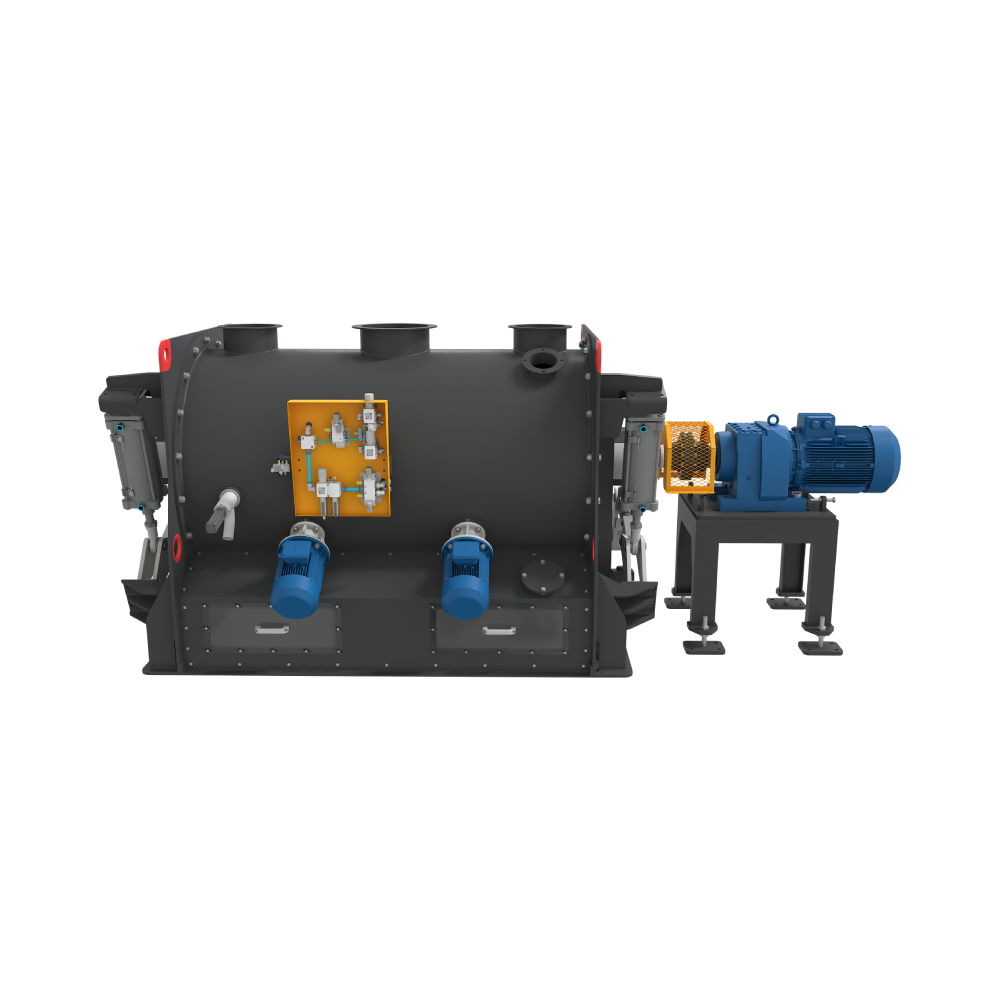
Worked example: how should a small mass difference be interpreted?
The following values only demonstrate the calculation method. Suppose an additive target is 5.00 kg and its independently verified net quantity is 5.08 kg. The deviation is +0.08 kg; relative deviation is (5.08 − 5.00) / 5.00 × 100 = +1.6%. Acceptance is determined by the recipe tolerance defined for that additive, not by this article. One good result is also insufficient: the distribution of batches repeated under the same conditions reveals the random spread of the system.
Why can weighing drift even when the load cell is sound?
A load cell measures only the force transferred to it. If a rigid pipe, tensioned flexible connector, cable tie, pneumatic hose or frame contact creates an alternative force path around the weigh hopper, some product load may bypass the sensor or appear as an additional load. Mixer and vibrator motion can disturb the signal, while material retained on the hopper wall can shift zero. A load cell’s catalogue accuracy therefore does not mean that the installed system automatically performs at the same accuracy. Stable zero when empty, comparable results at different loading points and return to zero after discharge must be checked separately.
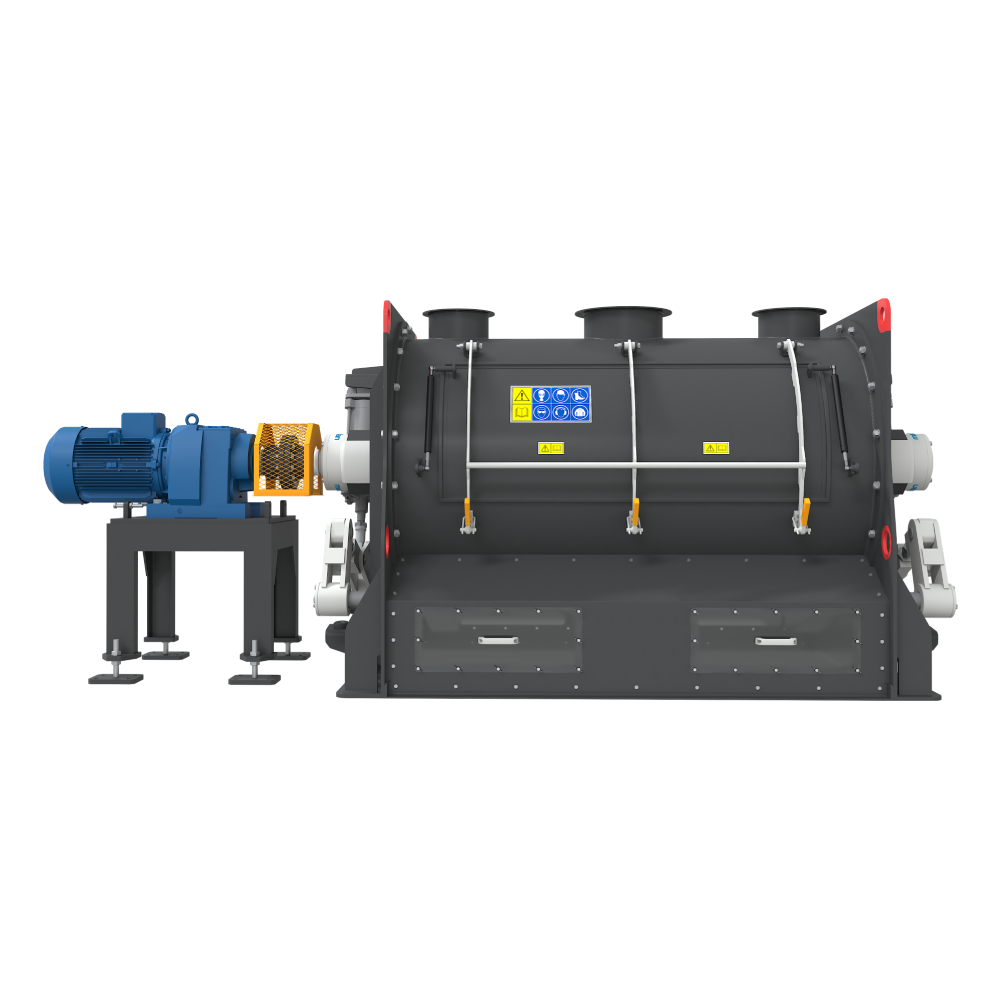
Powder flow and cut-off delay change the actual dose
When a screw stops, product suspended between the outlet and the weigh hopper continues to fall. This in-flight material is added to the weight after the cut-off command. Feeding at one fixed speed can cause over-dosing near the target, so coarse and fine feed stages and recipe-specific cut-off compensation should be evaluated. Compensation alone is not enough. Hopper level, bulk density, particle size, moisture, aeration and cohesion change screw filling. The same speed may not produce the same mass flow with another product or at another hopper level.
A ten-batch test makes the source of the problem visible
Run the test after production has stabilised, using the same product and target. First record empty-hopper zero and perform a static check with a known test load. Then, for 10 consecutive batches, record the target, value at cut-off, final net value, zero after discharge, feeder speed and hopper level. Calculate absolute and relative deviation for every batch. Results clustered in one direction point to a systematic cause such as zero, calibration or cut-off compensation; broad scatter in both directions points to vibration, irregular flow or changing fill. Looking only at the average can hide over- and under-doses that cancel each other.
Correction order: mechanics first, then control parameters
First check free movement of the weigh hopper, flexible connections, frame contacts, grounding and cable routing. Then perform zero and known-load tests, but do not treat calibration as a permanent solution before mechanical faults are removed. Next adjust coarse-to-fine feed transition, cut-off compensation and minimum stable feeder speed for each product. Repeat the same 10-batch test after every change and retain the batch records. For a new plant or revamp, the weigh hopper, dosing device and automation scenario should be selected together. Providing Metkan with the recipe, ingredient quantity ranges, bulk density, flow behaviour and target cycle time allows the mechanical and control scope to be evaluated within one project.
Sources and calculation note
The example only demonstrates the deviation method. The sources support gravimetric weighing, load cells, powder-feeding behaviour and the effect of variability in mortar ingredients; it is not a customer measurement, acceptance limit or product guarantee.