Sand grading and moisture
The required surface texture and application method influence sand fractions. Wet feed may require drying; hot material may require temperature control before mixing. Screening and storage must support a consistent product.
 MACHINERY AND PLANT
A dry render plant mixes graded mineral ingredients with binders and additives before bagging. Cement-based interior and exterior renders for hand or machine application are planned around the formulation, aggregate properties and packaging needs.
Request a project proposal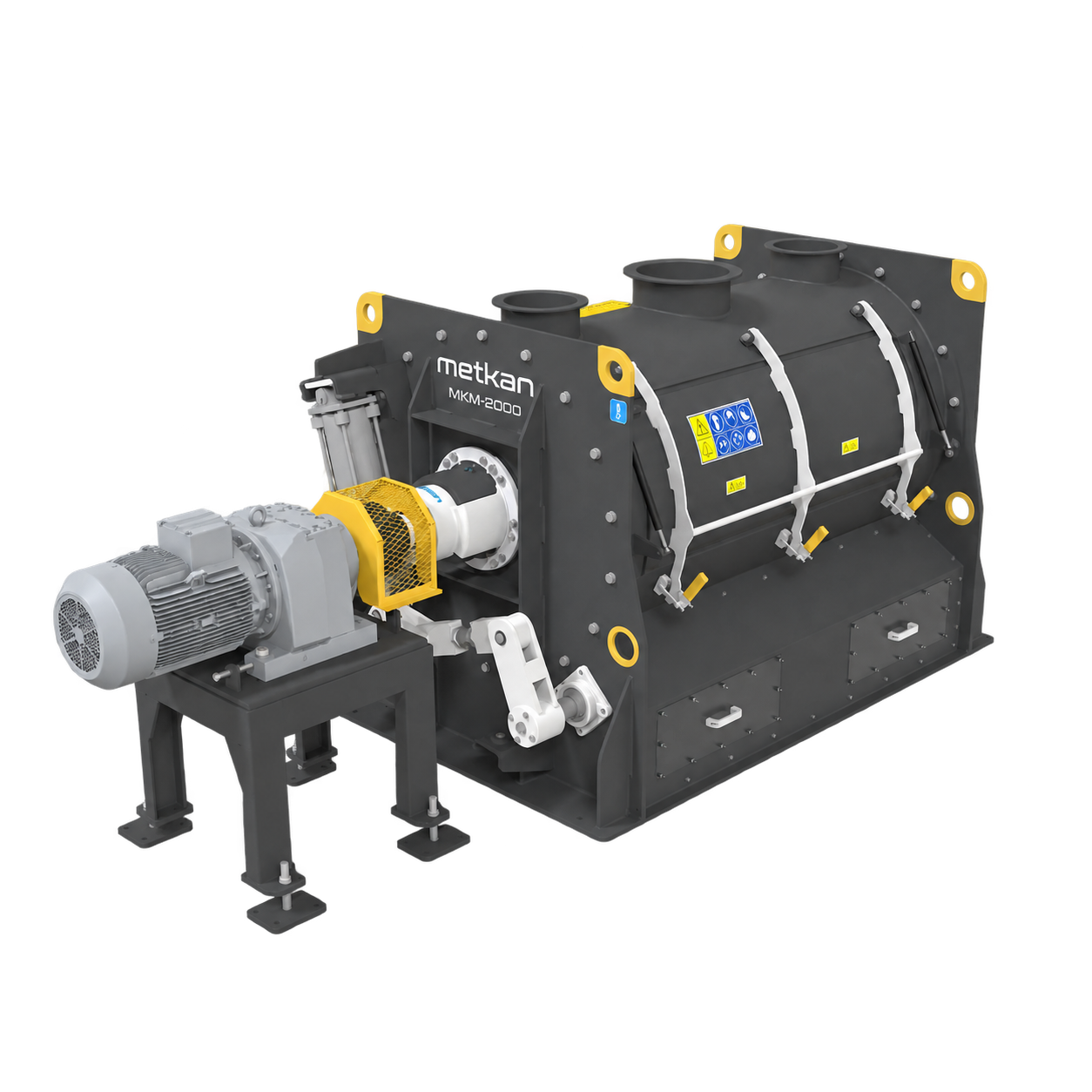
The required surface texture and application method influence sand fractions. Wet feed may require drying; hot material may require temperature control before mixing. Screening and storage must support a consistent product.
Cement, suitable mineral fillers and formulation additives need appropriate feeding and weighing arrangements. Lightweight fillers change bulk density and volume requirements; the capacity of a standard sand formulation cannot be transferred directly.
Hourly output depends on loading, mixing, discharge and waiting time. Batch volume, required uniformity and additive distribution are assessed together. Cleaning and retained material must be controlled during product changes.
Bag filling, weight checks, conveyors and palletizing are matched to line rate. A proposal requires render type, sand analysis, moisture, target tonnes per hour, bag weight and available building height.
No. This page primarily covers mixing and packing cement-based dry renders. Gypsum-based dry mixes need a separate assessment; producing gypsum binder from rock requires additional processes such as calcination.
