6 Main Reasons for Reduced Capacity in Hammer Crushers
Hammer crushers...it is among the most important pieces of equipment for reducing raw materials to the desired particle size in mining, construction chemicals, mineral processing, recycling, and industrial production facilities. Operating at the initial stages of the production line, these machines directly impact the facility's capacity. Therefore, Even a slight drop in hammer crusher performance can lead to significant efficiency losses across the entire production line.. When experiencing a drop in capacity, many businesses focus on motor power or the electrical system. However, the real problem often stems from other areas, such as the feeding system, rotor structure, hammer wear, screen performance, or a lack of maintenance. Businesses aiming to maintain production output should monitor the system not only during breakdowns but also through regular performance analyses. This allows capacity drops to be detected before they escalate, ensuring production continuity.
Metkan Makine Hammer crusher It does not design its systems solely to achieve high tonnage output. It also develops systems that operate stably over long periods, require minimal maintenance, and maintain energy efficiency. This is because crusher performance is critical not only during the initial investment phase but throughout the equipment's entire service life. In production facilities, a drop in capacity leads to rising energy costs, increased maintenance frequency, and bottlenecks in downstream processes. This situation directly impacts production costs, particularly in construction chemicals and mineral processing plants.
Contents
- Why does hammer crusher capacity decrease?
- How does a drop in capacity affect the production line?
- Why does irregular feeding reduce capacity?
- How do worn hammers reduce crushing performance?
- How do screen blockages affect production volume?
- Why is rotor imbalance significant?
- How does incorrect rotor speed limit capacity?
- Why does a lack of maintenance reduce production efficiency?
- How can hammer crusher capacity be increased?
- Metkan Makine hammer crusher solutions
- Frequently Asked Questions
1. Why Does Hammer Crusher Capacity Drop?
Hammer crusher capacity...results from the interaction of numerous mechanical and process parameters. Therefore, attributing a drop in capacity to a single cause does not yield accurate results. The rotor's operating condition, the wear level of the hammers, the feed rate, screen apertures, and material properties all directly influence one another. If any of these elements underperforms, the crusher fails to achieve the targeted production volume. Moreover, a drop in capacity often does not occur suddenly; production volume tends to decrease gradually over days or weeks. Operators might accept minor fluctuations in daily production as normal, yet significant tonnage losses become apparent when monthly reports are reviewed. Consequently, facilities should not limit themselves to tracking daily production figures but must also regularly analyze equipment performance.
In many facilities experiencing capacity loss, the problem does not lie solely within the crusher itself. In some instances, the feed system delivers material to the crusher irregularly. In other facilities, worn hammers or clogged screens reduce crushing efficiency. In addition, imbalances in the rotor and incorrect operating speeds negatively affect performance. Enterprises aiming to meet production targets must evaluate the entire system holistically. Metkan Makine Therefore, hammer crushers are treated not merely as standalone machines, but as vital components of the entire process line.This approach ensures more balanced capacity management and reduces production losses.
2. How Does a Drop in Capacity Affect the Production Line?
The hammer crusher serves as the starting point of production in many facilities.Consequently, any drop in capacity directly impacts downstream equipment. When the crusher fails to produce a sufficient volume of material, screens, conveyors, mixers, and bagging systems cannot operate at full capacity. A problem in one section of the production line quickly spreads throughout the entire facility. Daily production targets are missed, and order delivery times are extended. This situation can directly impact customer satisfaction, particularly in high-volume facilities. When production planning is disrupted, the enterprise loses not only capacity but also operational flexibility.
A drop in capacity also has significant consequences regarding energy costs. Equipment runs for longer periods while producing less output, which increases the energy cost per unit of product. At the same time, maintenance teams are forced to intervene more frequently. Operators constantly attempt to adjust settings, leading to reduced production stability. Thus, capacity loss affects not only production volume but also the enterprise's overall profitability. Therefore, detecting performance drops at an early stage is of great importance. Businesses that conduct regular analyses can bring capacity loss under control before it escalates.
3. Why Does Irregular Feeding Reduce Capacity?
The feeding system is one of the key determinants of hammer crusher performance.When the amount of material entering the crusher fluctuates constantly, the load balance on the rotor is disrupted. The system struggles when suddenly overloaded with material, yet may run empty moments later. This fluctuation reduces crushing efficiency and leads to a loss of capacity. Moreover, irregular feeding does not merely reduce tonnage; it also causes variability in product size. At times, the crusher may produce excessively fine material, while at other times, the output may exceed the target particle size. This situation creates new problems in downstream processes. Businesses aiming to maintain product standards—particularly in the production of construction chemicals—must manage their feeding systems carefully.
Irregular feeding also negatively affects mechanical components. Sudden load fluctuations place extra stress on the rotor, bearings, and motor. Wear rates can increase because the hammers fail to make consistent contact with the material. Furthermore, equipment vibration levels rise, and the need for maintenance becomes more frequent. Therefore, operations must monitor not only the crusher itself but also the hoppers, conveyors, and dosing systems that feed material into it. Metkan Makine designs feeding systems for hammer crusher projects to match production capacity. This ensures more stable crusher operation and minimizes capacity fluctuations.
4. How Do Worn Hammers Reduce Crushing Performance?
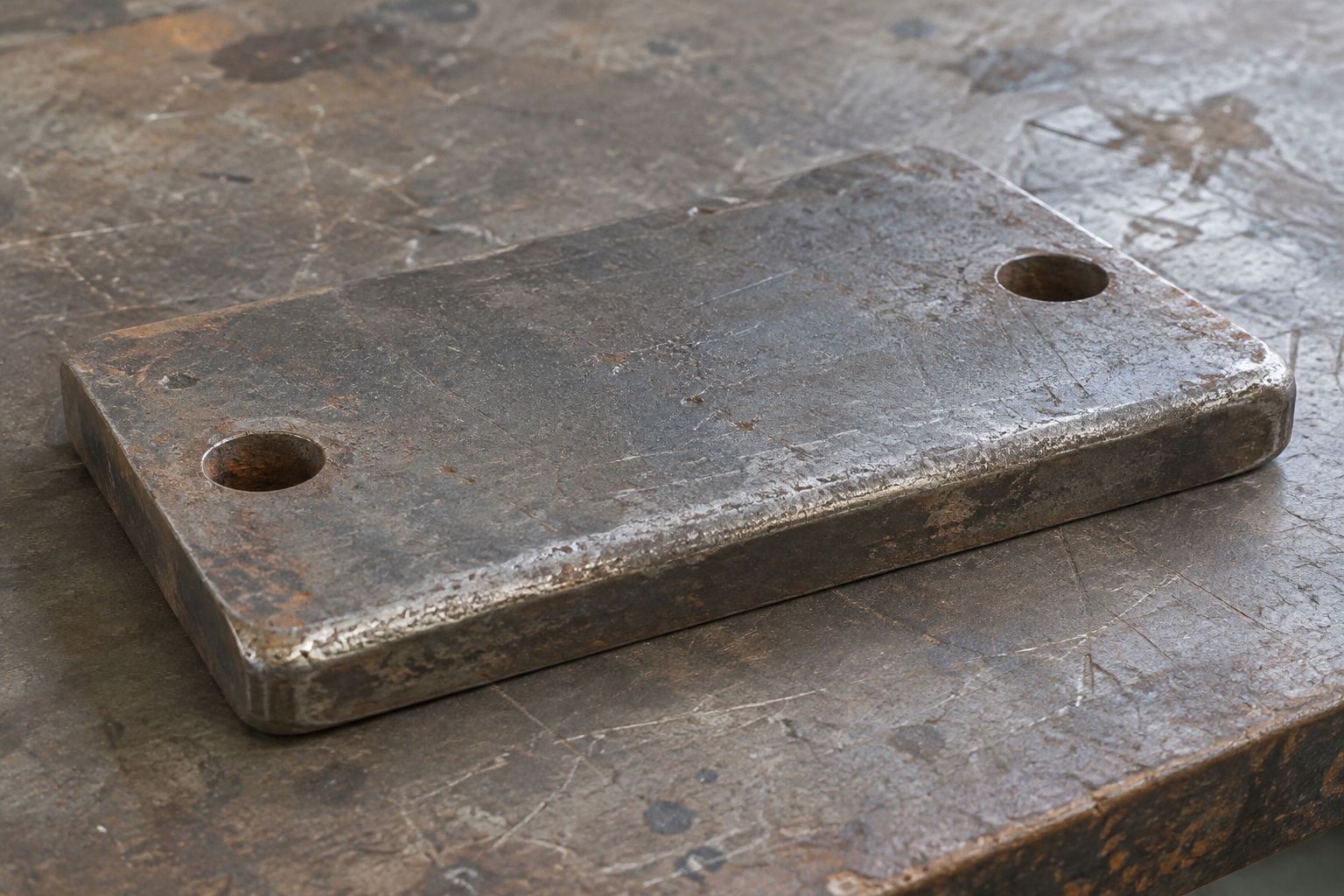
Hammers are the key components that deliver direct impact to the material and perform the crushing process. Wear occurs on hammer surfaces as usage time increases. Impact surfaces that are initially sharp and effective become rounded over time. This change makes the material harder to break down. The crusher, operating with the same motor power, begins to produce less output. While many operations mistake the drop in capacity for a motor-related issue, the actual problem is hammer wear. Consequently, regular hammer inspections are a crucial part of capacity management.
Worn hammers do not merely reduce capacity; they also increase energy consumption and negatively affect product quality. Material circulates within the rotor for a longer period. As the crushing process is prolonged, unnecessary energy is consumed. Furthermore, inconsistencies arise in the product particle size; the quantity of fines may increase, or the target size may not be achieved. Operations aiming to maintain production quality must regularly monitor wear levels and replace hammers at the appropriate time. This approach preserves capacity and extends the equipment's economic lifespan.
5. How Do Screen Blockages Affect Production Volume?
Hammer crusher Screens are among the critical components that determine product size in these systems. Once the product reaches the desired particle size, it passes through the screen apertures and exits the system. However, this process slows down when clogging occurs on the screen surface. Damp, sticky, or fine materials can constrict the screen openings. As the open area decreases, product discharge becomes difficult, and material begins to accumulate inside the crusher. Consequently, the load on the rotor increases, and capacity drops. While operations often look for the source of capacity loss in the rotor or motor, the actual problem may lie with the screen surface.
Clogged screens also affect product quality. When material remains inside the crusher for an extended period, over-crushing can occur. This increases the proportion of fines and creates quality issues in downstream processes. Additionally, the equipment's energy consumption rises, and wear accelerates. Regular cleaning practices, correct screen selection, and appropriate feeding strategies significantly reduce these risks. Metkan Makine contributes to achieving more efficient crushing performance through screen designs tailored to different material types.
6. Why Does Rotor Imbalance Cause Capacity Loss?
The rotor Hammer crusher sits at the heart of the system and is the primary component governing the entire crushing process. When operating in balance, the hammers apply equal force to the material, and the crushing process proceeds steadily. However, when the rotor becomes unbalanced, the system begins to vibrate. This vibration affects more than just mechanical stability; it also reduces the impact energy the hammers deliver to the material. An unbalanced rotor cannot crush the material with consistent efficiency across all points. Consequently, capacity drops and product quality begins to fluctuate. In facilities that operate for extended periods, factors such as rotor wear, weld deformation, or variations in hammer weights accelerate these balance issues.
High vibration levels do not merely reduce production performance; they also impose additional loads on bearings, chassis connections, and the motor system. As the equipment is subjected to greater stress, maintenance costs rise. In some facilities, operators may search for the source of capacity drops elsewhere, while the actual problem stems from rotor imbalance. Therefore, regular vibration measurements are crucial. By conducting periodic balance checks, businesses can prevent capacity losses and extend the equipment's service life. Metkan Makine Hammer crusher designs its systems by engineering the rotor geometry and balance structure to ensure high operational stability.
7. How Does Incorrect Rotor Speed Limit Capacity?
Rotor speed, Hammer crusher It is one of the most critical parameters directly affecting performance. At very low speeds, the hammers cannot transfer sufficient impact energy to the material; consequently, the product is not broken down at the desired rate, leading to reduced capacity. Conversely, using excessively high speeds can create various problems rather than increasing output. Excessive speed accelerates hammer wear and increases energy consumption. Therefore, simply increasing the rotor speed to boost capacity often fails to yield the desired results. Businesses must determine the appropriate operating range by taking the material's physical properties into account.
Not every material reacts to the same impact in the same way. Brittle minerals, raw materials for construction chemicals, and harder rock types exhibit different operating characteristics. Consequently, the optimal speed varies depending on the material. Selecting the wrong speed affects not only capacity but also the product's particle size. In some cases, an excessive amount of fines is produced, while in others, the target crushing level is not achieved. Metkan Makine analyzes the material structure during the project phase to determine the appropriate rotor design and operating parameters. This enables facilities to achieve more consistent capacity levels.
8. Why Does a Lack of Maintenance Reduce Production Efficiency?
Maintenance processes Hammer crusher are critical for sustaining performance. Facilities that do not implement regular maintenance begin to experience capacity loss over time, as minor wear and mechanical issues escalate. Deformations in hammers, bearing clearances, loose connections, and wear on the rotor surface negatively impact production efficiency. Issues that appear minor initially can evolve into significant capacity losses later on. Furthermore, unplanned downtimes become more frequent. Therefore, maintenance activities should be carried out according to a specific plan, rather than only after a breakdown occurs.
Facilities that implement periodic maintenance detect performance losses much earlier. Daily checks provide operators with valuable data, while weekly and monthly inspections reveal wear trends. When a facility conducts maintenance activities systematically, it preserves capacity, reduces energy consumption, and extends equipment lifespan. Additionally, production planning becomes more reliable. Metkan Makine, Hammer crusher prioritizes ease of maintenance in its systems and develops solutions that support the long-term performance goals of facilities.
9. How Can Hammer Crusher Capacity Be Increased?
Enterprises seeking to increase the capacity of a hammer crusher must first accurately analyze the factors causing capacity loss. The feeding system, rotor structure, hammer wear, and screen performance should be evaluated collectively. Interventions made without identifying the root cause of the problem often fail to yield the expected results. For instance, it is not possible to resolve capacity loss caused by worn hammers simply by increasing motor power. Similarly, making adjustments without first cleaning clogged screens will not provide lasting benefits. Therefore, to increase capacity, the system must be examined holistically.
Efficiently operating plants do not merely intervene when a breakdown occurs; instead, they conduct regular performance measurements and continuously monitor equipment behavior. Vibration analyses, energy consumption reports, and production data play a vital role in capacity management. Furthermore, automation systems assist operators in monitoring processes more closely. Metkan Makine does not limit capacity optimization in crushing and screening plants solely to equipment design; it also contributes to higher operational performance through engineering solutions that enhance process efficiency.
10. Metkan Makine Hammer Crusher Solutions
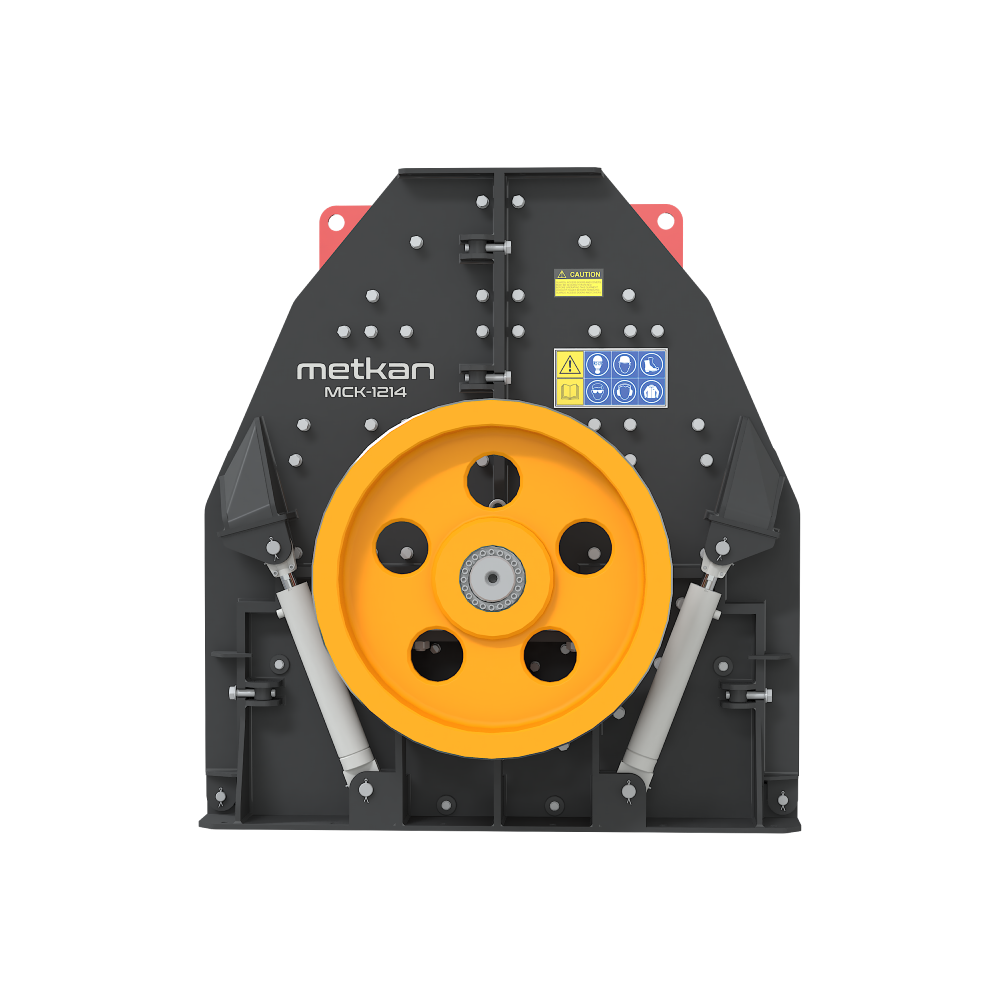
Metkan Makine develops hammer crusher systems hammer crusher systems tailored to the needs of various sectors. During the design process, the company targets not only high capacity but also prioritizes criteria such as low maintenance requirements, extended equipment lifespan, and energy efficiency. Each project is shaped by considering the properties of the material to be processed and the targeted production volume, enabling businesses to achieve more efficient production with solutions suited to their specific needs. A robust body structure, optimized rotor design, and precise feeding systems Hammer crusher are among the key elements supporting its performance.
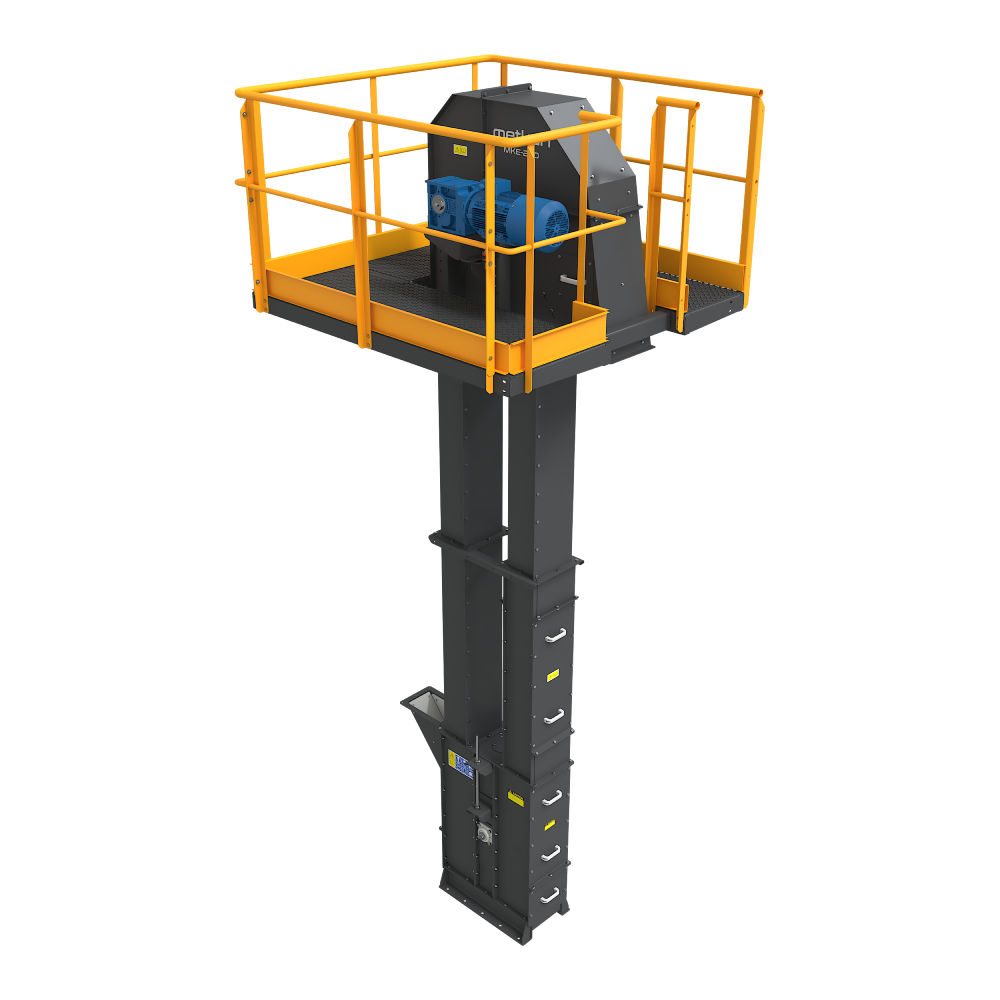
Metkan Makine does not merely Hammer crusher manufacture [them]. It also offers crushing and screening plants, conveyor systems, bucket elevators, bagging lines, and automation solutions. Thanks to this holistic approach, businesses achieve higher efficiency across the entire production line. Selecting the right equipment is crucial for businesses experiencing capacity loss or planning new investments. Metkan Makine’s expertise contributes to the creation of systems aligned with production goals and offers long-term performance advantages.
11. Frequently Asked Questions
Why does hammer crusher capacity decrease?
Irregularities in feed, worn hammers, rotor balance issues, screen clogging, and a lack of maintenance are among the most common causes of capacity loss.
How does hammer wear affect capacity?
Worn hammers reduce impact energy. This lowers crushing efficiency and results in a lower product yield within the same operating time.
Why is screen clogging significant?
Clogged screens hinder product discharge. Material remains inside the crusher for a longer period, leading to a loss in capacity.
How can rotor imbalance be detected?
Increased vibration levels, irregular operating noise, and a drop in capacity are among the most common signs of rotor balance issues.
How is the correct rotor speed determined?
Rotor speed should be determined based on material hardness, breakage characteristics, and the target product size. Different materials require different operating parameters.
Does regular maintenance increase capacity?
Regular maintenance prevents capacity losses, extends equipment lifespan, and helps maintain production performance over the long term.
To which sectors does Metkan Makine offer hammer crusher solutions?
Metkan Makine develops hammer crushers and crushing-screening systems for the mining, construction chemicals, mineral processing, recycling, and industrial manufacturing sectors.
Boost Your Hammer Crusher Performance
Metkan Makine helps you enhance the performance of your production line through engineering solutions for hammer crushers and crushing-screening plants—delivering higher capacity, lower maintenance costs, and more efficient production processes. Metkan Makine with contact us.