Choosing a Bucket Elevator: Belt-driven or Chain-driven System?
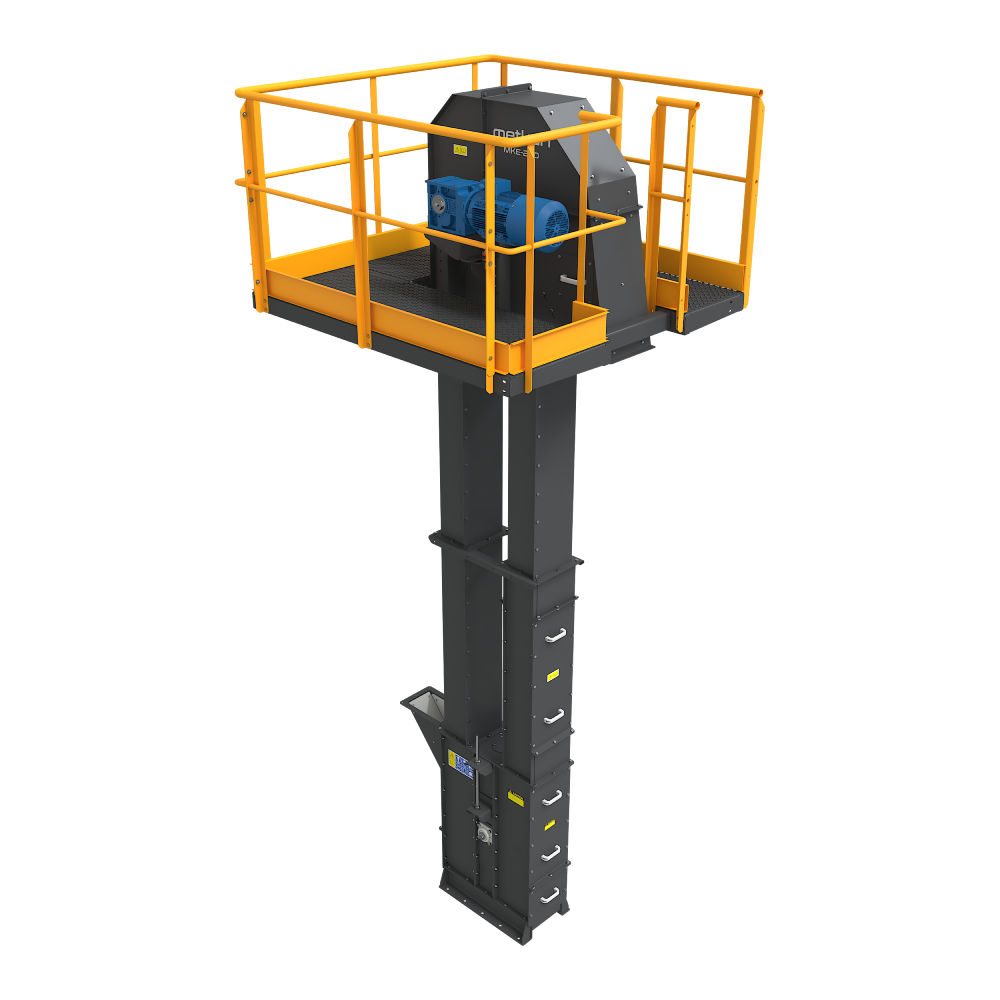
Bucket elevator systems...play a vital role in production facilities for the vertical conveying of bulk materials. Construction chemicals, mining, cement, grain, animal feed, mineral processing ...and similar sectors make extensive use of this equipment. However, not every facility operates with the same material characteristics. Factors such as material temperature, density, particle size, abrasiveness, and moisture content directly influence the choice of system. Therefore, businesses should not make their selection based solely on capacity. bucket elevator Belt and chain systems offer different advantages under varying operating conditions. The right choice increases line efficiency while reducing maintenance costs and unplanned downtime.
Metkan Makine, bucket elevator ...evaluates material characteristics and process objectives together during projects. This is because high capacity alone is not sufficient; the system must convey the product safely and operate reliably over the long term. While belt elevators offer the advantages of quiet operation and high speed, chain elevators deliver more durable performance under heavy-duty conditions. However, both systems have their limitations. In this article, we will examine in detail the differences, selection criteria, and application areas of belt and chain bucket elevators.
Contents
- How does a bucket elevator work?
- What is a belt bucket elevator?
- What is a chain bucket elevator?
- Key differences between belt and chain systems
- How does material type influence the selection?
- Why are capacity and speed important?
- How are temperature and abrasiveness evaluated?
- Which system stands out in terms of maintenance costs?
- How do energy consumption and operating noise levels vary?
- Metkan Makine bucket elevator solutions
- Frequently Asked Questions
How does a bucket elevator work?
Bucket elevatorIt picks up material from the bottom feed section and transports it vertically to the top discharge point. Buckets are attached to a belt or chain at specific intervals. When the drive system initiates movement, the buckets rotate continuously, and the material flow begins. Buckets that collect the product at the bottom section discharge the material upon reaching the top pulley or sprocket. Subsequently, the empty buckets return downwards. This cycle continues uninterrupted, ensuring a steady feed to the production line.
System efficiency does not depend solely on motor power; bucket geometry, the conveying element, speed, fill rate, and the discharge mechanism all work in tandem. An incorrect speed selection can lead to material back-spilling, while an unsuitable bucket shape limits conveying capacity. Additionally, the material's flow characteristics influence the feeding arrangement. Metkan MakineWe analyze these parameters during the project phase and design a system tailored to specific process requirements.
What is a belt-type bucket elevator?
In belt-type bucket elevators, buckets are attached to a durable conveyor belt.The belt moves continuously between the top and bottom pulleys. The system typically delivers high efficiency when handling dry, free-flowing, and low-temperature materials. Since the belt structure carries less weight, the motor is subjected to less strain. Additionally, the equipment can operate stably at high speeds. This feature offers a distinct advantage for facilities requiring high capacity.
Belt-based systems operate more quietly. Consequently, they enhance operational comfort in enclosed production areas or facilities where noise control is a priority. Furthermore, the belt surface requires no lubrication, thereby reducing the risk of oil-related contamination at the point of product contact. However, the belt may wear out more quickly when exposed to high temperatures, sharp objects, or heavy impacts; thus, the selection of the material composition is critical.
What is a Chain-Type Bucket Elevator?
In chain-type bucket elevators, the buckets are attached to steel chains.A gear system drives the chain, and the buckets transport the material upwards. The chain-based structure demonstrates high durability against high temperatures, heavy loads, and abrasive products. For this reason, it is frequently preferred for handling clinker, hot ash, coarse minerals, or hard, granular materials. Heavy industrial facilities can achieve long-term performance from this system.
Chain-based systems operate at lower speeds compared to belt-based models.However, they handle high impact loads more effectively. The chain structure is not easily torn by sharp objects, and it can continue conveying operations under high-temperature conditions. On the other hand, the system comprises more moving parts, making checks for lubrication, tension, and connections essential. Facilities that perform regular maintenance can derive long-term efficiency from chain-type elevators.
Key Differences Between Belt and Chain Systems
Belt and chain bucket elevators exhibit different operating characteristics, even though they perform the same conveying task. Belt systems offer advantages such as lightweight construction, high speed, and quiet operation. Chain systems, on the other hand, provide greater durability under heavy-duty conditions. Therefore, considering only capacity when making a selection does not yield the correct result; factors such as material temperature, particle size, and abrasiveness play a more decisive role in the choice.
Maintenance requirements also distinguish the two systems. Belt elevators require less lubrication, though they do necessitate regular monitoring of belt alignment and tension. Chain systems require checks for chain elongation, sprocket wear, and lubrication. In terms of energy consumption, the belt model offers advantages in most light-duty applications, whereas the chain model ensures reliable operation under heavy loads. Consequently, the facility should base its decision on its specific process conditions.
How Does Material Type Influence the Selection?
Material characteristics, bucket elevator ...is the primary choice. Fine powders, dry granules, and free-flowing products are efficiently transported via belt systems. Cement, dry mortar components, grain, animal feed, and many mineral products fall into this category. The belt-based design transports the product at high speeds, supporting capacity targets. Additionally, low noise levels offer an advantage for the production environment.
In contrast, hot, sharp, heavy, or abrasive materials require chain-based systems. Hot clinker, slag, coarse minerals, and metallic fragments can damage belts. Chain-based designs offer superior resistance to such impacts. Bucket-type systems become relevant when the material is moist and sticky. Operators must select not only the conveying element but also the appropriate bucket geometry and discharge method.
Why Are Capacity and Speed Important?
Facilities aiming for high capacity often opt for belt-type bucket elevators.The belt can move continuously at high speeds, transporting larger volumes of material in less time. However, capacity calculations should not be based on speed alone; bucket volume, spacing, fill rate, and material density also determine the conveying volume. Excessive speed can lead to material rollback and product spillage.
Chain-based systems operate at lower speeds yet safely transport heavy products. With high-density materials, controlled speeds help preserve equipment longevity. Operators should not push the system beyond its limits to increase capacity; accurate calculations ensure reliable production. Metkan Makine, Calculates conveying capacity based on product data and determines the appropriate speed range.
How Are Temperature and Abrasiveness Evaluated?
High temperatures exert direct stress on the conveying element. Standard belt materials may harden, stretch, or lose surface integrity under extreme heat. Consequently, facilities handling hot products often require a chain-based system. Steel chains offer superior resistance to high temperatures; however, the chain's lubrication type and material grade must also be suitable for the temperature conditions.
Abrasive materials wear down the belt surface and buckets over time, while sharp-edged products can cause cuts and tears in the belt. Chain systems remain more resilient against such mechanical stresses. Nevertheless, specialized belt types can deliver adequate performance for fine, mildly abrasive products. To ensure the right choice, the facility must clearly communicate the product's actual field conditions.
Which System Stands Out in Terms of Maintenance Costs?
Belt-type bucket elevators generally require a simpler maintenance routine. The system involves fewer moving metal parts and does not require chain lubrication. Operators regularly check belt alignment, tension, splice points, and surface wear. Early intervention extends belt life and reduces unexpected downtime.
In chain-type elevators, the maintenance team monitors chain elongation, sprocket condition, and connecting pins. The lubrication schedule also directly impacts system performance. Conversely, a chain-based design may offer a longer service life under demanding conditions. Therefore, initial maintenance cost should not be the sole selection criterion; the total cost of ownership, spare parts longevity, and the risk of downtime must be evaluated together.
How Do Energy Consumption and Operating Noise Differ?
The low moving mass of a belt system reduces the load on the motor, thereby ensuring energy efficiency when handling light to medium-density materials. Additionally, the belt operates more quietly over the drums—a feature that is advantageous for enclosed facilities and conveyor lines located near work areas. Proper tensioning further minimizes energy loss.
Chain systems have a heavier structure. Contact between the chain and sprockets can increase operating noise, and the motor faces a higher mechanical load. However, this design ensures the necessary safety when handling heavy materials. When evaluating energy consumption, one should not look at motor power alone; system durability and downtime also impact the total operating cost.
Should a Belt or Chain System Be Chosen?
Belt-based systems offer significant advantages for dry, free-flowing, low-temperature, and fine-grained products. Businesses aiming for opt for belt-type bucket elevators.high capacity, low energy consumption, and quiet operation may prefer them. However, the belt material must be compatible with the product temperature and chemical composition. The right choice ensures a long equipment service life.
Chain-based systems yield safer results for hot, heavy, coarse, or sharp-edged products. Heavy industrial conditions, high-impact loads, and abrasive products highlight the strengths of the chain-based design. Nevertheless, each project must be evaluated based on its specific conditions; facility layout, maintenance accessibility, and capacity targets influence the final decision.
Metkan Makine Bucket Elevator Solutions
Metkan Makine develops belt- and chain-based bucket elevator systems for various sectors. The project team analyzes product density, temperature, particle size, and target capacity. Subsequently, they determine the conveying element, bucket type, motor power, and discharge mechanism. This approach creates a process-specific solution rather than a standard product.
The company plans its bucket elevators to integrate seamlessly with crushers, screens, mixers, silos, bagging lines, and conveyor systems, ensuring uninterrupted material flow along the production line. A robust mechanical structure combined with appropriate automation support ensures long-term efficiency. You can obtain engineering support from Metkan Makine experts regarding the selection of belt- or chain-based systems for your facility.
Frequently Asked Questions
For which materials is a belt-type bucket elevator suitable?
Dry, free-flowing, fine-grained, and low-temperature products move efficiently in belt systems. Cement, grain, animal feed, and dry-mix products fall into this category. The system offers the advantages of high capacity and quiet operation.
Which products does a chain-type bucket elevator transport?
Chain systems perform strongly with hot, heavy, coarse, and abrasive materials. Clinker, slag, and hard minerals are suitable examples for this system. Steel chains provide high resistance to impact loads.
Which system offers higher capacity?
Belt elevators generally operate at higher speeds. Therefore, they offer high conveying capacity for suitable products. However, capacity is determined by a combination of bucket volume, belt width, and fill rate.
Which system requires less maintenance?
Belt systems require a simpler maintenance routine in most applications. Chain systems require lubrication and chain inspections. Conversely, chain-based structures may offer a longer service life under heavy-duty conditions.
Can a belt elevator be used at high temperatures?
Special heat-resistant belts can operate at certain temperatures. However, very high temperatures make chain systems a safer choice. Operators should consider the actual product temperature before making a selection.
Does a belt system consume less energy?
Due to its lightweight conveying structure, the belt system consumes less energy in most applications. High speeds and low friction reinforce this advantage. Proper tension adjustment also reduces the load on the motor.
Why do chain elevators operate more noisily?
Contact between the chain and the sprocket generates mechanical noise. Additionally, heavy metal components produce more vibration during operation. Regular maintenance and correct adjustments help keep noise levels under control.
How does Metkan Makine select the right type of elevator?
Metkan Makine evaluates the product characteristics, temperature, capacity, and facility conditions collectively. Based on this data, the project team selects either a belt or chain system. Subsequently, they determine the equipment dimensions and motor power according to process requirements.
Making the right choice for a bucket elevatordirectly impacts your production efficiency. To determine the system best suited to your material, capacity, and process Metkan you can contact contact us, let us plan the optimal solution tailored to your project together.