Construction chemicals plant Businesses looking to set up a facility first need to define the correct list of machinery. An investment decision is not shaped by a single mixer or conveying line alone; the plant operates as a continuous flow from raw material intake to final shipment. Consequently, equipment selection directly impacts not only capacity but also product standards, process stability, and line efficiency. Incorrectly sequenced equipment creates production bottlenecks, while an incomplete line increases the operator's workload. Conversely, a well-planned system balances the flow, minimizes waste, and enhances end-of-line performance. Metkan Makine does not approach this process with a "single-machine" mindset; instead, it treats the entire line within a unified engineering framework.
The production of construction chemicals involves combining various raw materials within a single system. Cement, calcite, sand, additives, and various powdered components enter the production line in a specific sequence. Consequently, each machine does not merely perform its own task; it also prepares the material for the subsequent stage. If the feeding process is irregular, the quality of the mixture suffers. If screening is inadequate, the load on the mixer fluctuates. If the bagging line is poorly configured, the shipping schedule is disrupted. Therefore, the plant layout must be designed based on process logic rather than simply a list of machinery. This guide Construction chemicals facility explains, step-by-step—from the initial stage to final shipment—the essential machinery required and the specific roles these machines play within the production line.
Contents
- Why is machine selection critical in a construction chemicals plant?
- Which piece of equipment establishes the starting point of the plant?
- Which machines are required for raw material feeding and conveying?
- Which equipment is involved in the crushing and screening process?
- Which is the primary machine that determines mixture quality?
- Which systems are used for storage, intermediate transfer, and dosing?
- Which machines are required for bagging and end-of-line operations?
- Why are robotic palletizing and shipment layouts important?
- How is the correct machine sequence established in a construction chemicals plant?
- Why is system integrity a decisive factor for Metkan Makine?
- Frequently Asked Questions
Why is machine selection critical in a construction chemicals plant?
Construction chemicals plantProduct quality depends largely on process discipline. The same recipe yields different results with different machine configurations because the flow along the production line relies not only on chemical composition but also on machine compatibility. If raw materials are not fed correctly, the ratio balance is disrupted. If the conveying system causes flow fluctuations, the production rhythm suffers. If the balance between mixing time and homogeneity is not properly established, the final product will not deliver the desired performance in the field. Therefore, machine selection is one of the most critical technical aspects of the investment. The right machine does not merely initiate production; it also maintains quality standards.
Machine selection is not limited to current needs. Production volume grows over time, product variety increases, and end-of-line expectations change. Consequently, the right equipment list also provides the facility with flexibility for growth. Metkan Makine Therefore, it evaluates the process direction, material characteristics, capacity targets, and site layout in conjunction. This is because the correct machinery list only becomes clear when the entire production flow is considered as a whole. A robust facility is not built merely with large machines; it is established through groups of machines that complement each other and are selected in the proper sequence.
Which piece of equipment establishes the starting point of the plant?
Construction chemicals plantThe starting point is raw material intake and the initial feeding arrangement. No matter how powerful the mixers in the facility are, production will not proceed steadily if raw materials enter the line in an irregular manner. Consequently, hoppers, feeding units, and initial conveying equipment play a decisive role at the outset. The operation must introduce raw materials into the line in a controlled fashion. Without this setup, the flow fluctuates, dosing balance is disrupted, and the system bears unnecessary loads. Since the initial equipment sets the rhythm for the entire facility, it constitutes the cornerstone of the investment.
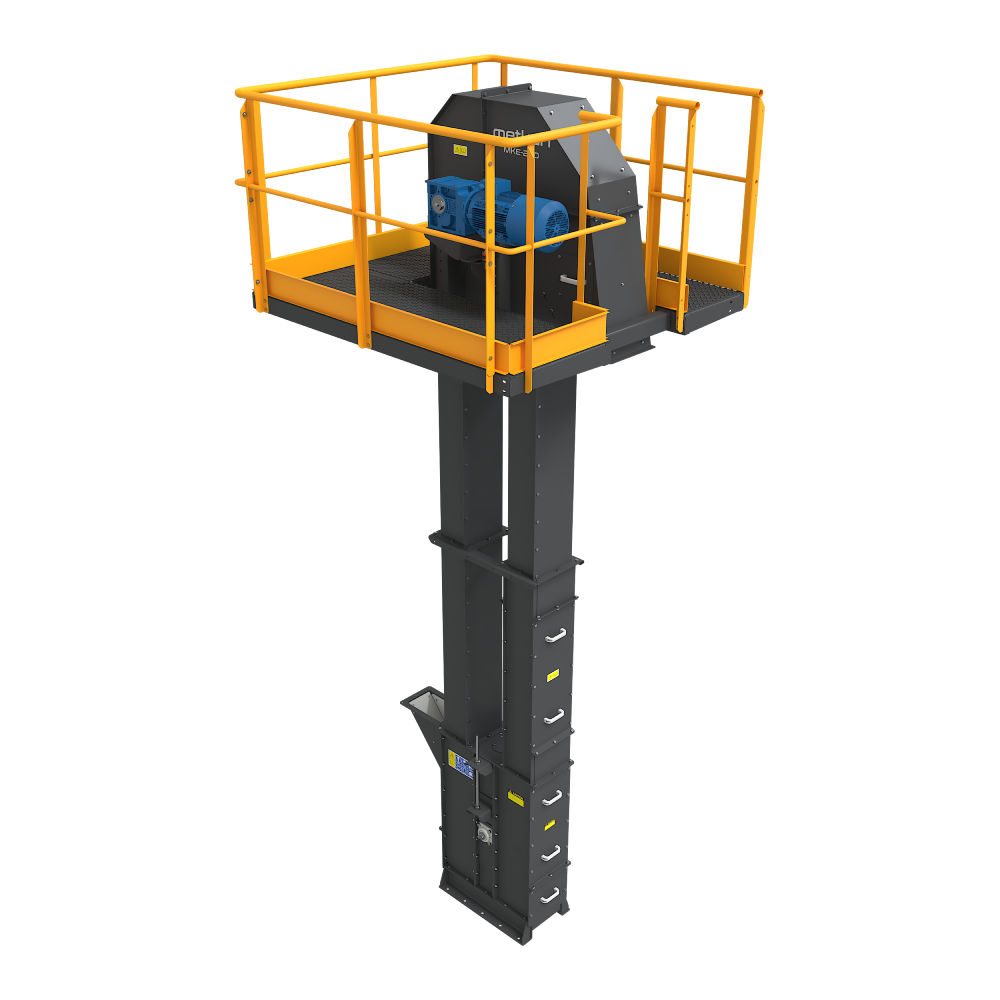
At this stage, the physical nature of the product must be accurately assessed. Fine, powdery products require a different feeding logic, whereas granular and coarse raw materials demand a different conveying approach. If the product is to be transferred directly to a higher elevation, a bucket elevator is employed. If the product is to be transported horizontally within a closed and controlled system, a screw conveyor becomes the preferred choice. In certain flow scenarios, a belt conveyor offers the most suitable solution. Therefore, the initial equipment is not standardized; the system is configured according to the specific process direction and flow rate requirements. A proper initial setup establishes a foundation for balanced operation across all subsequent machinery.
Which machines are required for raw material feeding and conveying?
Construction chemicals plantConveying raw material from one point to another is one of the most fundamental stages of production. Screw conveyors, bucket elevators, and belt conveyors are among the most frequently used systems at this stage. Screw conveyors, in particular, ensure controlled flow for powdery and fine granular materials. A bucket elevator offers a robust solution for transporting raw materials from a lower to a higher level, while a belt conveyor forms the backbone of the line for horizontal product transfer and high-volume flow. The right conveying system does more than just handle logistics; it directly supports production discipline.
If a conveying line is improperly installed, product accumulates, the feed becomes irregular, and mixture consistency is compromised. Conversely, the correct machinery sequence ensures that raw materials move along the line in a controlled and balanced manner. In the production of multi-component construction chemicals, in particular, it is essential that every raw material reaches the right point at the right speed. For this reason, Metkan Makine does not view conveying equipment as isolated, independent products; instead, it treats them as integral parts of the same process chain. After all, when feeding and conveying proceed steadily, all downstream systems operate with greater efficiency.
Which equipment is involved in the crushing and screening process?
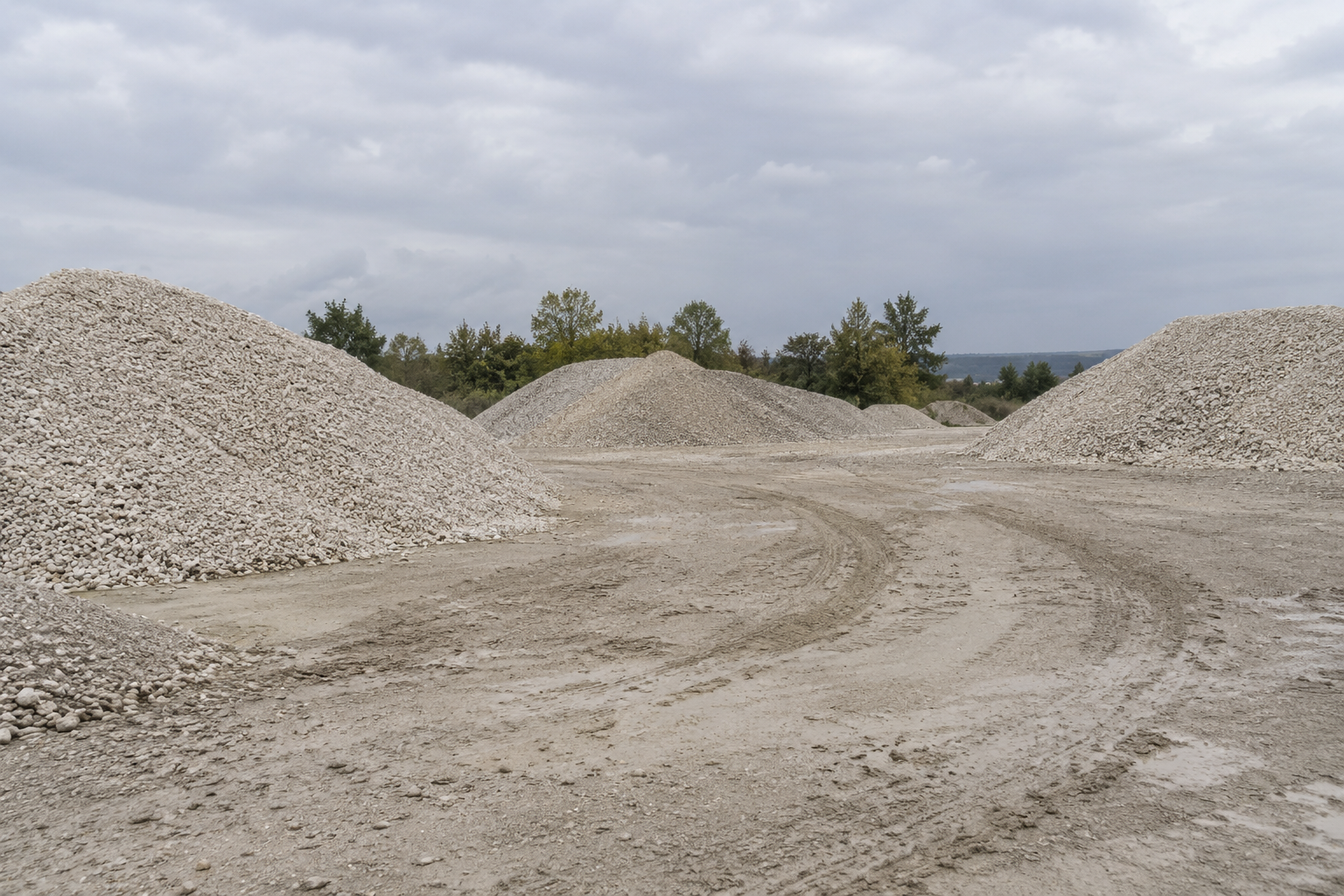
In some construction chemical plants, raw materials do not enter the process ready for immediate use. Before the product enters the production line, it must be reduced to specific sizes and classified. Equipment such as hammer crushers and circular vibrating screens plays a key role at this stage. The hammer crusher ensures controlled size reduction for the appropriate material group, while the circular vibrating screen helps separate the product according to the desired particle size distribution. When these two pieces of equipment work in tandem, the material reaching the mixer has a more balanced and controlled structure, resulting in a more stable mixing process.
An investment approach that establishes a weak crushing and screening stage leads to fluctuations in mixture quality later on. This is because coarse and irregularly sized particles do not yield consistent results within the mixer. If the screening process fails to achieve adequate separation, fine and coarse fractions proceed along the line in an uncontrolled manner, affecting both mixture consistency and line capacity. Therefore, crusher and screen systems must be correctly evaluated from the outset based on the specific product structure of the plant. Not every Construction chemicals facility facility requires the same crushing setup; however, when the need arises, this equipment becomes one of the most critical links in the production line.
Which is the primary machine that determines mixture quality?
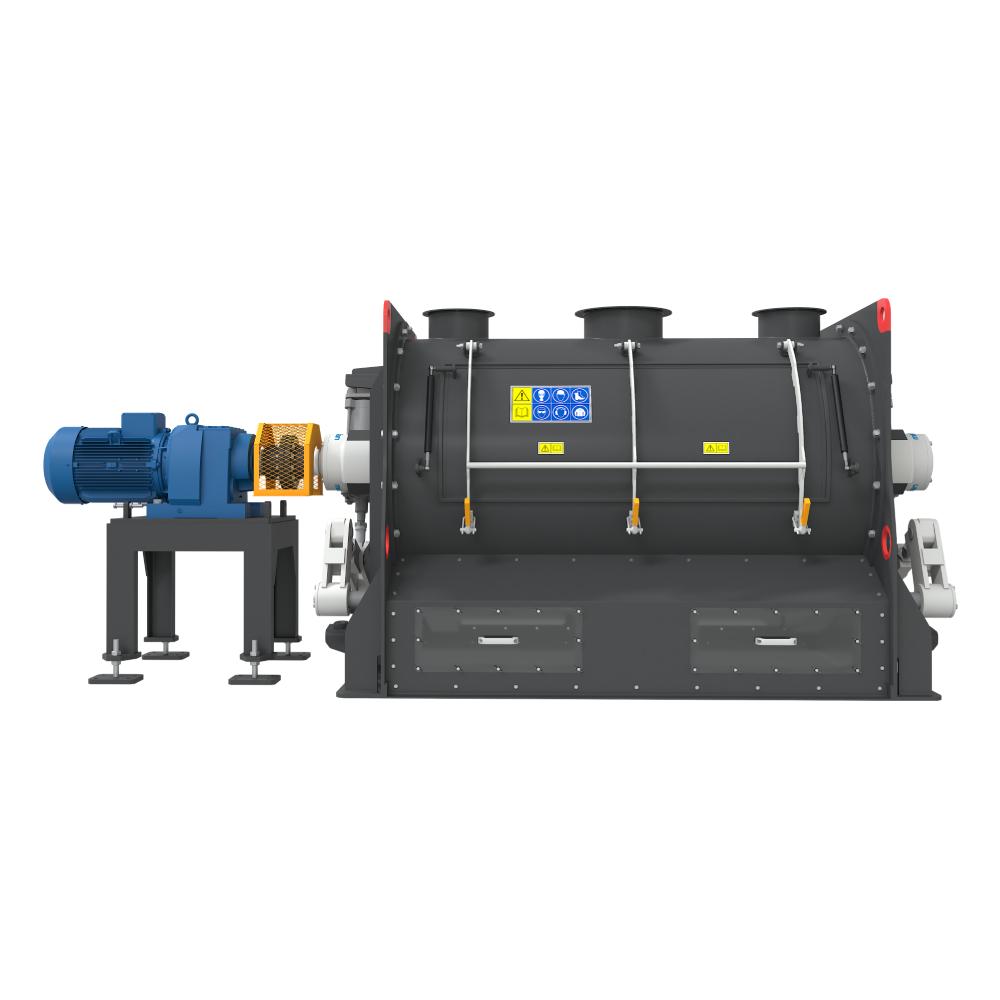
Construction chemicals plantThe horizontal powder mixer is the primary machine that directly determines mixture quality, as the raw materials entering the line converge within it, and the final product characteristics are established there. The mixer does not merely agitate the material; its primary function is to homogeneously blend products that differ in density and particle structure. Consequently, the horizontal powder mixer sits at the heart of the plant. Selecting the right mixer simultaneously determines product consistency and production efficiency.
Factors such as mixer capacity, body structure, mixing time, and discharge efficiency must be carefully considered when making investment decisions. If the incoming material is unbalanced, the mixer is strained. Poor discharge discipline reduces cycle times. If mixture homogeneity is insufficient, the final product will not perform effectively in field applications. Metkan Makine The horizontal powder mixer is not a standalone piece of equipment; it is a core production machine that must be considered in conjunction with the upstream feeding system and the downstream bagging line. A proper setup therefore centers on the mixer while planning for the entire system.
Which systems are used for storage, intermediate transfer, and dosing?
Construction chemicals plantRaw materials and semi-finished goods do not enter the line simultaneously. Some products wait in intermediate hoppers, others are added to the mix at specific ratios, and some are stored at higher elevations. Consequently, silos, hoppers, intermediate transfer lines, and dosing systems are fundamental components of the facility. These structures ensure a more controlled production flow. Furthermore, the operator feeds each material into the line in the same sequence and quantity. This consistency makes a significant difference, especially in multi-component production.
If intermediate storage and dosing systems are poorly designed, the recipe balance is compromised. The sequence of raw materials shifts, product quantities deviate, and cycle times increase. Conversely, a well-organized arrangement of hoppers, silos, and conveying systems maintains the line's rhythm. This section becomes even more critical when the facility produces multi-component products, as each raw material must be introduced into the system at the right time and in the correct quantity. A proper storage and dosing setup not only facilitates flow but also ensures product consistency.
Which machines are required for bagging and end-of-line operations?
Construction chemicals plant The process does not end with simply producing the mixture; the product must emerge in a standardized, safe condition ready for shipment. Therefore, the bagging line is a key component of end-of-line efficiency. The bagging machine packages the product at a specific weight. The weighing and guiding system supports quality standards. Subsequently, conveyor systems, alignment equipment, and the end-of-line conveying system come into play. It is at this stage that the product becomes ready for shipment.
If a bagging line is poorly designed, the operation cannot achieve the desired output, regardless of how high the quality of the mixture is. Bag weights fluctuate, the flow rhythm is disrupted, and bottlenecks occur prior to palletizing. Therefore, the bagging machine and the conveying line must be planned in tandem. For Metkan Makine, the end-of-line section is not merely a supplementary part of production; it is a fundamental stage that determines the return on investment. This is because a product that has not been properly prepared for shipment overshadows the entire production effort.
Why are robotic palletizing and shipment layouts important?
The robotic palletizing system is one of the most robust components of end-of-line automation. This is because bags are not merely transported after leaving production; they are also palletized safely and systematically. A proper palletizing pattern facilitates storage, enhances shipment safety, and boosts labor efficiency. Moreover, in mass-production facilities, robotic palletizing offers significant advantages regarding cycle consistency. Therefore, Construction chemicals facilitythe shipment layout is not viewed merely as a forklift zone; it is treated as the final link in the process itself.
If the end-of-line setup is disorganized, bags accumulate, pallet stacking integrity is compromised, and logistics efficiency drops. In contrast, a robotic palletizing system places bags in a consistent pattern, maintaining pallet standards. This reduces the risk of shifting during shipment and allows for clearer storage planning. For this reason, Metkan Makine views robotic palletizing not just as an automation investment, but as an investment in end-of-line quality and logistics control—because an orderly shipment represents the final signature of production in the field.
How is the correct machine sequence established in a construction chemicals plant?
Proper machinery sequencing requires the facility to be established based on a logical process flow from start to finish. The initial stage involves raw material intake and feeding arrangements. Next, crushing and screening systems are activated if required. Subsequently, conveying equipment transports the raw materials to the appropriate location. A horizontal powder mixer creates the mixture, while intermediate hoppers and dosing systems support the process. Finally, the bagging machine, conveyor line, and robotic palletizing system complete the shipment setup. While this sequence is not a rigid template, the fundamental process logic is built upon this flow.
Line efficiency drops when the machine sequence is incorrect. If there is a delay on the feeding side, the mixer sits idle. If the end of the line is weak, the bagging section comes under pressure. Therefore, the entire system must be designed with interconnected components that communicate with one another. This is where Metkan Makine’s systems-based approach stands out. A robust facility is not created simply by lining up powerful machines side-by-side; it is built through the correct sequencing and proper distribution of tasks. This approach also accelerates the return on investment.
Why is system integrity a decisive factor for Metkan Makine?
Metkan Makine for Construction chemicals facility ...setting up a facility entails more than just selecting individual machines. The primary goal is to align the entire flow—from raw material intake to final shipment—with a consistent level of efficiency. Consequently, components such as screw conveyors, bucket elevators, belt conveyors, hammer crushers, circular vibrating screens, horizontal powder mixers, and robotic palletizing systems are evaluated as part of a unified system rather than as isolated units. After all, a machine’s true value is realized only when it operates within the right system.
If system integration is weak, the investment appears disjointed. Even with powerful equipment, the process remains unstable. In contrast, a well-planned line balances capacity, maintains product standards, and strengthens operational discipline. Metkan Makine’...corporate approach is therefore not merely to manufacture machines, but to establish a functioning system with the optimal machine layout. This is precisely where the real difference in a construction chemicals facility becomes apparent.
Frequently Asked Questions
Which machines are required first when setting up a construction chemicals facility?
Raw material intake, feeding, and conveying systems are required first, as the steady and controlled entry of raw materials into the line impacts the entire process. Subsequently, crushing, screening, and mixing equipment are selected based on specific process requirements.
Why is a horizontal powder mixer important in a construction chemicals plant?
A horizontal powder mixer blends various raw materials into a homogeneous mixture. This machine directly determines the mixing quality of the final product; therefore, it stands out as the plant's primary production machine.
Is a crusher required in every construction chemicals plant?
No, not every plant has the same requirements. However, a crushing system is necessary if the raw material does not enter the line at the desired size. If product size control is critical, the system is designed to include a screening unit as well.
Can a screw conveyor and a bucket elevator be used together on the same line?
Yes, a screw conveyor provides horizontal and controlled conveying, while a bucket elevator handles the task of transferring the product to a higher level. In a properly designed system, the two pieces of equipment complement each other.
Why is the bagging line just as important as production?
Because the process of making the product ready for shipment takes place at the bagging line. Bag weight, flow rhythm, and end-of-line layout are determined at this stage. Strong production loses value if the end-of-line process is weak.
Is a robotic palletizing system essential for a construction chemicals plant?
Production volume, labor force targets, and shipping discipline determine this decision. Robotic palletizing offers significant advantages for plants requiring high volumes and steady flow. End-of-line automation maintains pallet uniformity and increases logistics efficiency.
At what point is a belt conveyor used in a construction chemicals plant?
Belt conveyors play a crucial role in horizontal product transport and end-of-line flow. They offer a robust solution, particularly for routing after bagging and managing flow prior to palletizing.
How is the correct machine sequence determined?
First, the material characteristics, capacity targets, and product flow are clearly defined. Then, the sequence—feeding, conveying, crushing/screening, mixing, bagging, and palletizing—is established based on process requirements. The correct sequence determines system efficiency.
Metkan Makine with Construction chemicals facilityBy planning the right machinery setup—from raw material feeding to the mixing process, and from bagging to shipment—you can create a more efficient, controlled, and sustainable production line. To define the system structure best suited to your project, contact us..