Weight deviation in bagging lines...is one of the most critical issues directly affecting production quality, as every bag must meet the same product standard. If the fill quantity varies from bag to bag, quality consistency can be compromised. Furthermore, shipment uniformity suffers; an underfilled bag undermines customer trust, while an overfilled bag increases product loss. Moreover, even minor discrepancies can add up to significant totals by the end of the day. Therefore, weight control on the bagging line should not be viewed solely as the responsibility of the weighing unit. The feeding pattern, conveyor flow, bag behavior, and palletizing rhythm collectively determine the outcome. Metkan Makine From this perspective, line efficiency is shaped not by the performance of a single piece of equipment, but by the balance established across the entire system.
Weight deviation often does not originate from a single source. Sometimes, the product reaches the filling point irregularly. At times, the bag moves unstably along the conveyor. Occasionally, mechanical vibration compromises the weighing result. Furthermore, bottlenecks at the end of the line affect the overall rhythm. Product density, moisture content, and flow characteristics also alter the filling outcome. Consequently, an accurate diagnosis requires evaluating the entire line as a whole. Metkan Makine...’s process-oriented approach becomes crucial at precisely this point. This is because a robust bagging line operates with consistent discipline from the feeding stage through to palletizing.
Contents
- Why is weight deviation significant in a bagging line?
- What exactly does weight deviation mean?
- Why does deviation occur when the feed flow is irregular?
- How do conveyor speed and product flow affect weighing?
- Why do bag shape and positioning alter the outcome?
- How do vibration and mechanical issues exacerbate deviation?
- Why does compression prior to palletizing result in weight differences?
- Why must product density and flow characteristics be taken into account?
- Why are operator settings and the level of automation important?
- How should the line be configured to minimize weight deviation?
- Frequently Asked Questions
Why is weight deviation significant in a bagging line?
At first glance, weight deviation may appear to be a minor production error. However, as production volume increases, this discrepancy grows. The slight difference in weight per bag drives up total costs. It also impacts the customer's perception of quality, as users expect the same product to meet the same standards every time. If significant differences arise between bags, that expectation is undermined. Therefore, weight deviation is not merely a filling error. It is also an issue of quality management and brand trust.
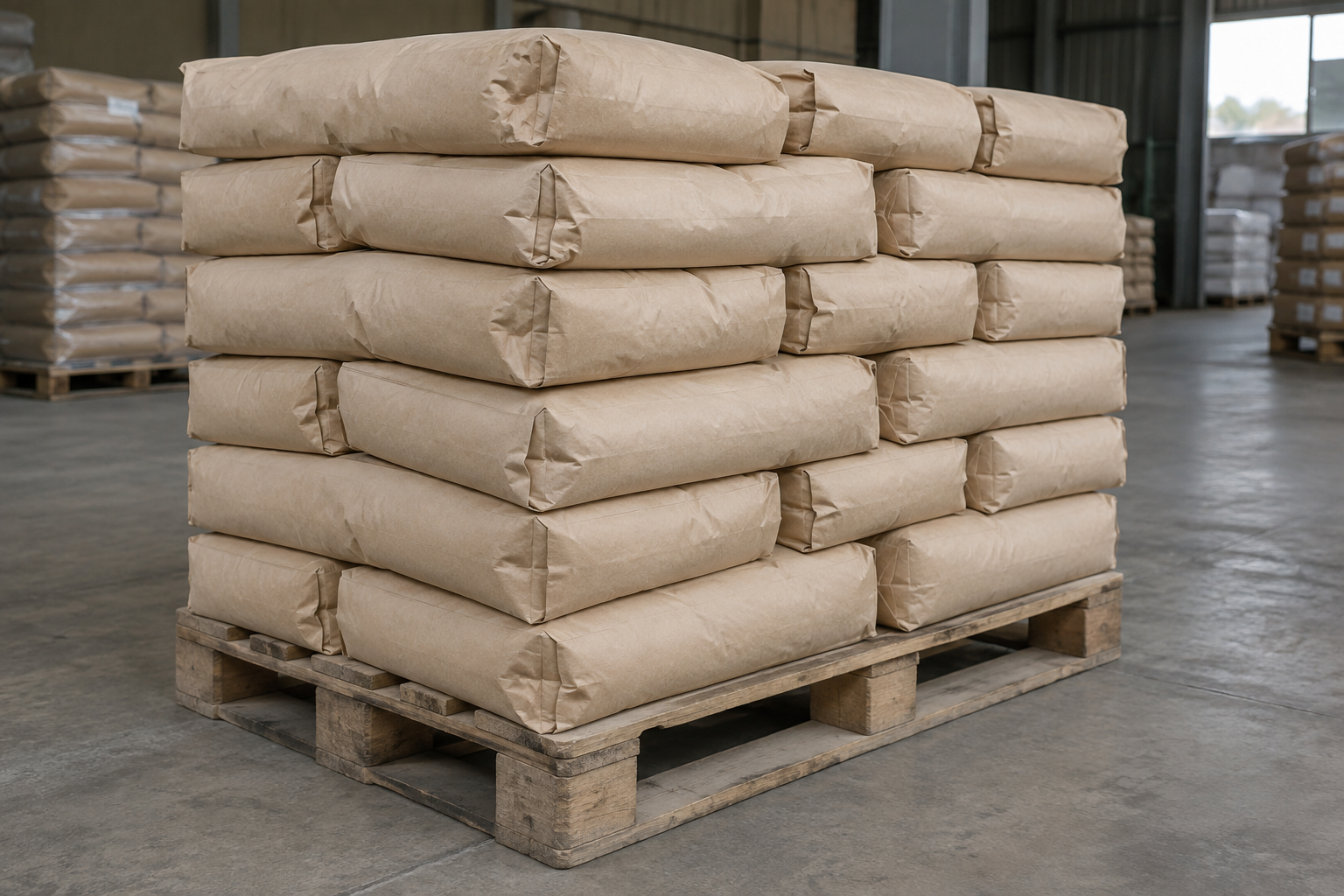
The impact of the problem extends to the palletizing stage as well. Bags filled to different levels take on different shapes. A bag that is firmer cannot be stacked in the same way as one that is looser. Consequently, the stability of the pallet can be compromised. Furthermore, the risk of shifting during shipment may increase, and stacking bags in the warehouse becomes more difficult. As a result, logistics efficiency declines. Therefore, weight deviation on the bagging linemust be detected early and interpreted correctly. Early intervention both preserves quality and enhances safety at the end of the line.
What exactly does weight deviation mean?
Weight deviation refers to the difference between the target bag weight and the actual fill amount. When the system targets 25 kilograms, the bag should come out very close to this value. However, some bags may end up lighter, while others may be heavier; this difference constitutes the deviation. Small, one-off variations do not necessarily indicate a major problem. However, if the same discrepancy recurs consistently, there is a systematic issue on the line. Therefore, it is essential to first correctly analyze the nature of the deviation.
Two primary scenarios stand out here. In the first, the discrepancy occurs randomly. In such a case, factors like mechanical vibration, bag positioning, or product flow become more likely causes. In the second scenario, the deviation repeats in the same direction. If there is consistent underfilling, settings, the feeding process, or sealing timing should be examined. If there is consistent overfilling, the tolerance logic needs to be re-evaluated. In short, weight deviation it is not merely about the final data. It is also a key indicator showing which section of the line is experiencing an imbalance.
Why does deviation occur when the feed flow is irregular?
For the filling system to operate correctly, the product must arrive at the filling point consistently. If the product flow fluctuates—alternating between heavy and light—the filling system cannot maintain consistent performance. In such cases, some bags may be underfilled while others are overfilled. This issue is particularly noticeable with powdered and granular products, as the product's flow characteristics directly determine filling precision. If the feeding rhythm is disrupted, the results can vary regardless of how precise the weighing unit is.
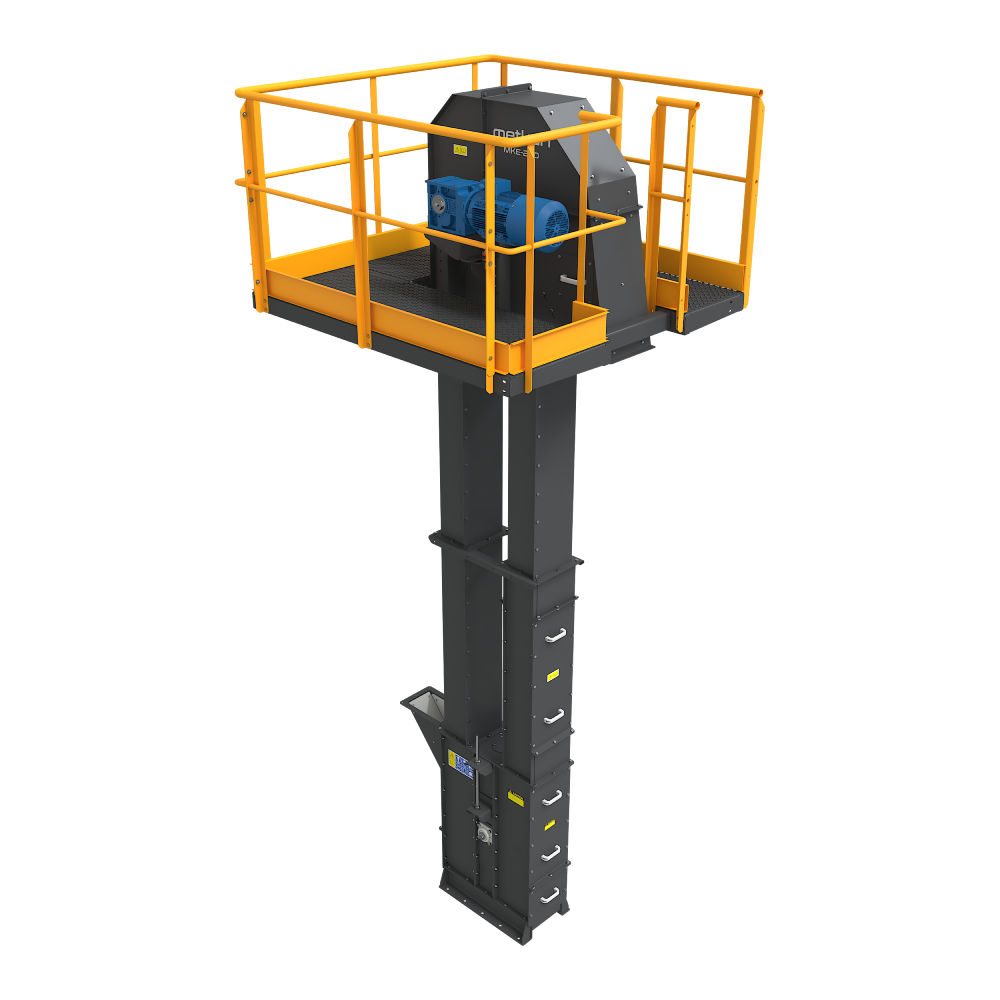
This irregularity often originates upstream of the filling line. The bunker outlet may fail to provide a steady flow; the screw conveyor might not maintain a constant feed rate; or the bucket elevator could deliver the product unevenly. Additionally, moist material may clump, or fine product might jam in the storage hopper. Under these conditions, the filling system operates with a variable load, resulting in inconsistent bag weights. Therefore, weight deviation on the bagging line if such issues are observed, the feeding mechanism should be one of the first areas checked, as the problem often arises before the product even reaches the filling point.
How do conveyor speed and product flow affect weighing?
The conveyor line does more than just transport bags; it also dictates the rhythm of the weighing process. If the speed is too high, the bag does not move steadily across the weighing point. Conversely, if the speed is too low, a backlog forms on the line. In either case, weighing stability is compromised because the system requires consistent conditions to read the bag accurately. If the moment the bag enters the scale varies, the measurement result will also fluctuate. Therefore, conveyor settings directly impact filling quality.
The spacing between bags is also crucial. A flow that is too tight strains the routing and control logic, while a flow that is too spread out reduces capacity and creates synchronization issues at the palletizing stage. Consequently, conveyor speed should not be determined solely by transport capacity; bag behavior, measurement duration, and the rhythm at the end of the line must all be considered together. Metkan MakineThis is where the approach prioritizing line integrity proves its value, as a properly configured conveyor system supports both weighing accuracy and palletizing efficiency.
Why do bag shape and positioning alter the outcome?
The weighing system requires the bag to be centered correctly. If the bag shifts to the side, its center of gravity may change; if it moves at an angle, the system may react differently; and if the bag is rotated, measurement stability can be disrupted. These effects are particularly common with soft bag structures. If the bag does not settle into its final shape after filling, each bag may assume a different position—a minor variation that directly affects the measurement result. Therefore, bag behavior should not be viewed merely as a visual detail.
Furthermore, the shape of the bag affects palletizing quality; a bag with an irregular shape is more prone to deviating from its path on the conveyor. A poorly designed alignment section exacerbates this issue. Ultimately, both the weighing process is strained, and the stacking pattern is compromised. Therefore, bag conveying, bag alignment, and the weighing point must be planned based on a unified process logic. A bag that moves smoothly is weighed more accurately. Furthermore, it can be palletized more neatly. Consequently, bag positioning plays a decisive role in both measurement accuracy and end-of-line quality.
How do vibration and mechanical issues exacerbate deviation?
Precise weighing requires a solid mechanical foundation. If vibration occurs around the weighing point, the system produces unstable measurements. This vibration sometimes originates from the filling unit, while at other times, the conveyor frame itself amplifies the problem. Nearby motors and loose connections also intensify this effect. Poor construction, incorrect installation, or unbalanced load distribution, in particular, negatively impact weighing accuracy. In such cases, achieving consistent results becomes difficult, regardless of how advanced the digital system is.
Mechanical problems are not limited to vibration alone. An uneven conveying surface disrupts bag movement. Worn rollers alter the flow. Misaligned belts pull the bag to the side. Faulty guide components shift the bag's center. Therefore, if the mechanical infrastructure is unsound, the weighing system alone cannot provide a solution. Metkan MakineThis is why conveying and line balance are crucial to the production logic. A robust mechanical setup forms the foundation for accurate measurement and ensures long-term stability for the line.
Why does compression prior to palletizing result in weight differences?
When a backlog forms towards the end of the line, the bagging rhythm is also disrupted. Bags sometimes wait, sometimes get jammed, and sometimes move at irregular intervals. This variability indirectly affects the filling and weighing stages, as the line cannot maintain a consistent cycle time. If the palletizing section does not accept the flow quickly enough, pressure builds up at the bagging station. Consequently, the system cannot process every bag under identical conditions, which becomes one of the indirect causes of weight discrepancies.
This issue becomes particularly apparent when the robotic palletizing or end-of-line routing section fails to establish proper synchronization. Bags accumulate prior to palletizing, creating back-pressure and altering the conveyor's rhythm. Changes in rhythm affect weighing stability; therefore, weight deviation on the bagging linewhen analyzing the process, it is insufficient to look only at the pre-filling stage. The flow at the end of the line must be evaluated with equal care. Efficient palletizing indirectly supports accurate weighing.
Why must product density and flow characteristics be taken into account?
Not all products flow in the same way. Some flow freely. Others clump, while some lose their flowability due to moisture. Others exhibit different filling characteristics because their particle size distribution changes. The filling system is directly affected by these differences. When product characteristics change, the same settings do not yield the same results. Therefore, weight deviationit is incorrect to view this solely as a machine issue; product behavior must also be analyzed.
This issue becomes particularly critical with fine powders and granular products. Product density can fluctuate slightly. Storage conditions can affect flow. Dwell time can lead to clumping. In such cases, the filling system responds variably. Consequently, when a deviation is observed, the product's moisture, density, and flow characteristics must be reviewed. The correct solution requires evaluating machine behavior and product behavior in tandem. This ensures that line settings are adjusted more accurately.
Why are operator settings and the level of automation important?
Incorrect setting logic rapidly exacerbates deviations. If an operator fails to set tolerance values correctly, the system may consistently underfill or overfill. If parameters are not updated when the product changes, old settings create problems for the new product. This risk is higher on lines requiring frequent manual intervention, as different shifts may develop different habits. As a result, production standardization suffers, and deviations recur. Therefore, disciplined setting management is a crucial component of weighing accuracy.
When the level of automation is low, problems are detected later. Operators make decisions on the fly. Alarm history appears limited. The frequency of recurring deviations is not clearly tracked. However, software-supported systems make problems visible at an earlier stage. They also allow for more controlled management of settings. Metkan MakineThis topic gains even greater importance when considering an approach that prioritizes process integrity. After all, an efficient bagging line is established not only through robust equipment but also through the right management logic.
How should the line be configured to minimize weight deviation?
To achieve reliable results, every link in the line must be balanced. First, the feeding system must ensure a steady flow. Next, the filling unit must operate in a manner suited to the product's characteristics. The conveyor line must transport the bag at the correct speed and spacing. The weighing station must be protected from vibration. The bag-straightening logic must be well-designed. Finally, the palletizing section must maintain the flow without creating back-pressure. A weak link in the chain leads to recurring weight deviations.
Furthermore, maintenance and inspection schedules must be strictly followed. Rollers, belt alignment, sensors, diverters, and the weighing station require periodic checks. Operator settings should be standardized. New parameters must be recorded during product changeovers. On lines with software support, alarm monitoring should be actively utilized. This approach ensures the stability of the bagging line. Consequently, weight deviation deviations decrease, the palletizing pattern improves, and shipment quality is enhanced.
Frequently Asked Questions
What is weight deviation in a bagging line?
Weight deviation in bagging linesIt refers to the difference between the target bag weight and the actual fill amount. This discrepancy arises when some bags are underfilled while others are overfilled. If the issue recurs frequently, quality standards suffer, and the shipment process is disrupted.
Does weight deviation stem solely from the filling machine?
No. Feed flow, conveyor speed, bag positioning, vibration, product characteristics, and compression prior to palletizing can also cause deviations. Therefore, the entire line must be evaluated holistically. An accurate diagnosis is only possible when the entire process is examined.
Does the conveyor system affect the weighing result?
Yes, it has a direct impact. If the conveyor speed is inconsistent, the bag does not move steadily across the weighing point. Furthermore, if the spacing between bags is irregular, the measurement becomes unstable. Proper speed and consistent flow support weighing accuracy.
Why is bag positioning important?
A bag that is skewed, tilted, or rotated shifts the center of gravity. Additionally, if the bag's shape is compromised, the palletizing pattern suffers. Consequently, bag behavior is critical not only for weighing accuracy but also for the integrity of the end-of-line arrangement.
Does vibration increase weight deviation?
Yes. Vibration causes unstable readings in precision weighing systems. Weak chassis structures, loose connections, and erratic motor behavior can exacerbate this issue. A robust mechanical setup is a fundamental requirement for accurate weighing.
Does the palletizing process affect weight deviation?
Yes. Backups at the end of the line disrupt the flow rhythm. This pressure alters the conveyor arrangement and indirectly affects weighing stability. Therefore, the palletizing section is not merely the final link in the bagging line; it is also an integral part of the overall system balance.
Does the product structure affect filling results?
Yes. Density, moisture content, tendency to clump, and flow characteristics directly impact the filling process. The same machine can yield different results with different products. Consequently, it is difficult to devise the right solution without first analyzing product behavior.
What should be checked first to reduce weight deviation?
First, the feed flow, filling settings, conveyor speed, and weighing point should be examined. Next, bag positioning, mechanical vibration, and end-of-line flow should be evaluated. An accurate diagnosis forms the basis of the correct solution.
Metkan Makine with By analyzing the critical points that cause weight deviation in the bagging line, you can establish a more stable, efficient, and safe production flow. Conveyor, weighing and palletizing to evaluate the process holistically contact us.